.png?width=200&height=66&name=logo%20(1).png "HomesAlive Pets Canada")

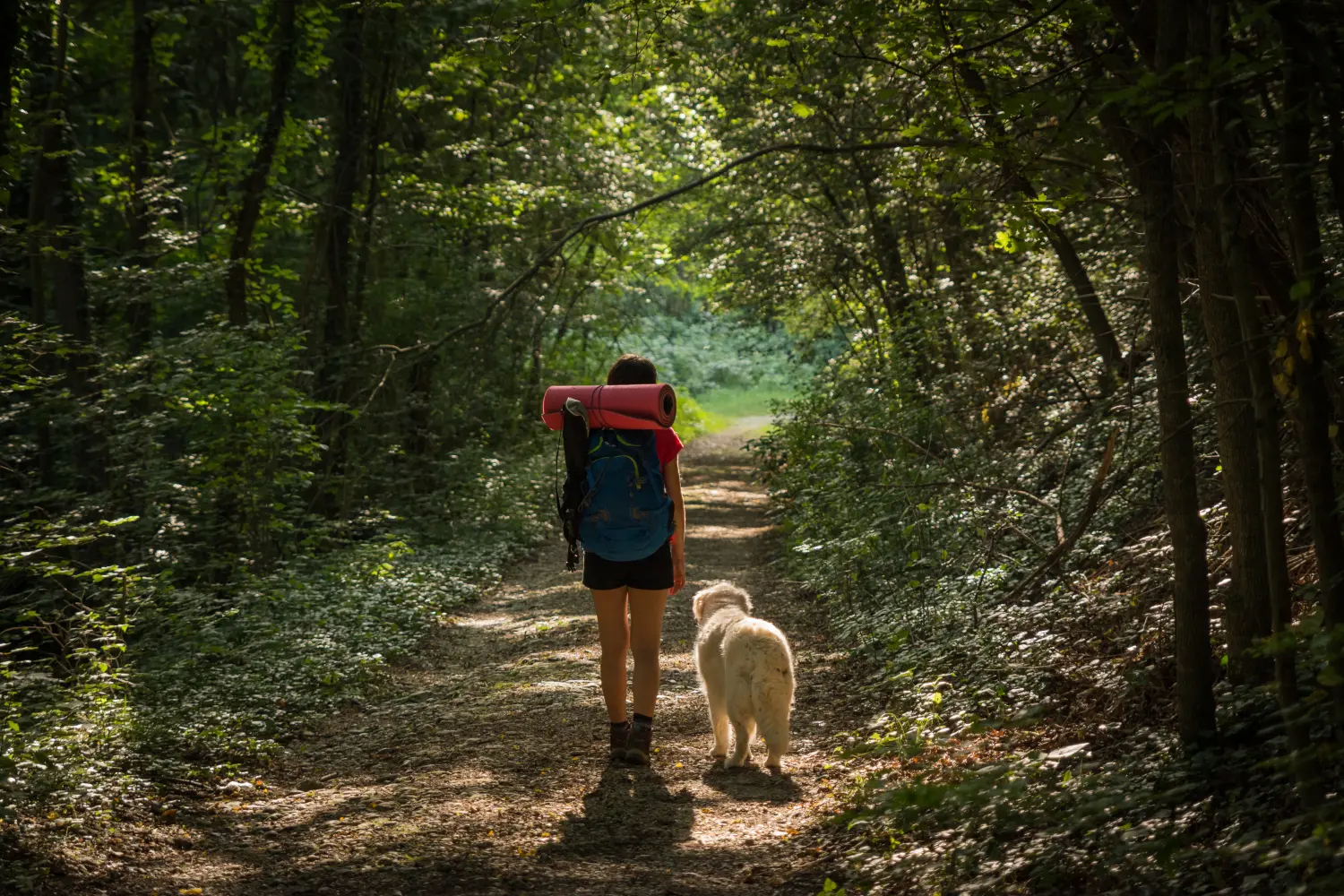
Whether you and your dog are planning your first hiking adventure or if you are already a seasoned hiker, having the right gear makes a difference. To navigate trails and make sure everyone has fun and stays safe, our best dog hiking gear list will help you choose the right tools for any dog-friendly trek.
Dogs are natural trail companions, but hiking presents different challenges than a regular walk around the neighbourhood. Uneven terrain, changing weather, wildlife, and longer distances all require a little more preparation than your average outing.
This guide covers the essential hiking gear for dogs, from the basics every beginner needs to the specialty items that make a difference on more demanding trails. Keep reading to learn how to pack the ultimate trail-ready dog hiking kit.
Best Dog Hiking Gear Checklist
The best dog hiking gear needs to be lightweight, portable, and durable enough to handle whatever the trail throws at you. Whether you are heading out for a quick morning hike or a more demanding multi-day trek, this list covers everything your dog needs to stay safe, comfortable, and trail-ready.
Use the checklist below to build your kit, then jump to any item for our top picks and what to look for.
Leashes & Control: 6ft Dog Leash | Collar & ID | Supportive Dog Harness
Paw Protection: Dog Hiking Boots | Paw Wax
Hydration & Trail Nutrition: Dog Water Bottle | Collapsible Bowls | Treat Pouch | Dog Backpack
Health & Safety: First Aid Supplies | Flea & Tick Prevention | Insect Repellant | Cleaning Supplies
Each item on our list is chosen to help make your journey safer, easier, and more fun for everyone. Take a look at each breakdown below and get our top recommended picks.
Leashes & Control
The first rule of hiking safety for dogs is to keep your dog properly secured. Most Canadian trails and parks require dogs to be on leash at all times. This is for their safety, but also the safety of nearby wildlife. Even well-trained dogs can be unpredictable around wildlife, other hikers, or unfamiliar terrain.
6ft Dog Leash
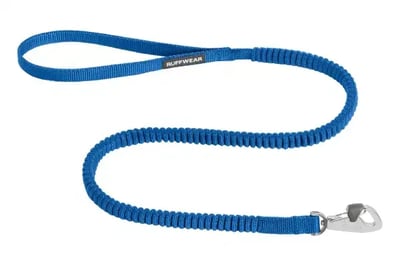
A standard 6 ft dog leash is one of the most basic essentials for hiking with your dog. Avoid retractable leashes on the trail as they reduce control and can lead to injury. For hikers who want their hands free for poles or rough terrain, a hands-free belt system is a popular addition.
Consider things like durability, materials, and handle comfort to make sure it's the right leash for you and your dog. Look for one with some bungee or stretch built in to absorb sudden pulls without knocking you off balance.
Our Top Picks: Ruffwear Trail Runner Leash | Canada Pooch Waterproof Leash | Hurtta Expedition Belt ECO
Keeping your dog on a leash is especially important in bear and cougar country. Even dogs with excellent recall can trigger a wildlife encounter when off-leash. Keep them close on any trail where wildlife activity is a known risk. Check out our Hiking and Camping with Dogs Guide for more safety tips.
Collar & ID
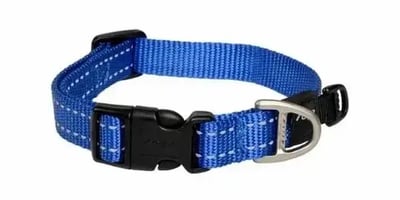
Any time you leave the house with your dog, they should be wearing a comfortable and secure collar with up-to-date ID. On hikes, especially in areas that your dog is unfamiliar with, proper ID tags are an absolute must.
Choose a collar that matches your activities. Waterproof collars are designed to reduce odour, while reflective or LED collars are great for hiking in low light or snowy conditions.
Our Picks: Rogz Reflective Collar | Kuma Soggy Dog Collar | Ruffwear Front Range Flex Collar
You don't need to use the collar to attach the leash, but they should still be wearing it at all times. It's one of the most effective ways to find a lost dog.
Supportive Dog Harness
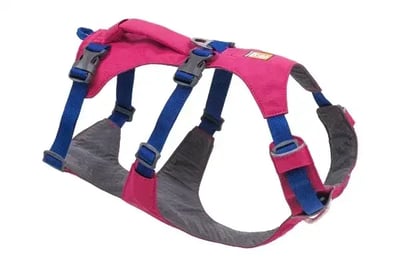
Harnesses are typically more secure than a collar, which is helpful for keeping your dog close and under control while you explore new territory. If your dog is a notorious puller, then a harness may even be safer for them by reducing strain on the neck.
Additionally, a supportive dog harness with chest padding and back handles can be used to lift or support your dog over rough or steep terrain. This feature can be a lifesaver if you are exploring new and unfamiliar trails with your pooch.
Our Picks: Ruffwear Flagline Harness | Ruffwear Web Master Harness | Hurtta Weekend Warrior Harness
Paw Protection
Trail surfaces can be tough on your dog's paws. From hot pavement to sharp rocks and gravel, hiking can take a toll on their paw pads. Protecting their paws can help prevent injury or discomfort that could cut your hike short.
Dog Hiking Boots
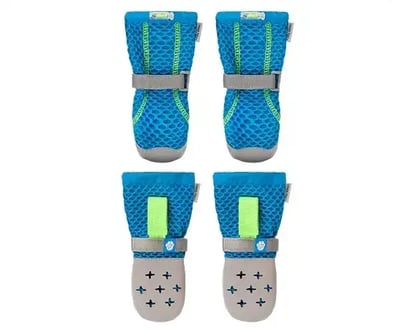
Boots are the most comprehensive paw protection option and are worth the investment for dogs hiking regularly on rough or technical terrain. The sturdy soles protect their paws from cracking, cuts, and burns caused by abrasive surfaces.
Dog boots should be chosen based on the environment they will be used in. Winter dog boots will be insulated for snowy and icy conditions, while a hiking dog boot is going to focus on paw pad protection, grip, and air flow. Learn more about different boot styles for dogs in Best Dog Boots.
Our Picks: Canada Pooch Hot Pavement Boots | RC Pets Apex Boot | Ruffwear Hi & Light Trail Shoes
Focus on finding the best fit and style for your dog. Boots takes some practice to get used to, but most dogs adapt and eventually understand the benefits.
Paw Wax
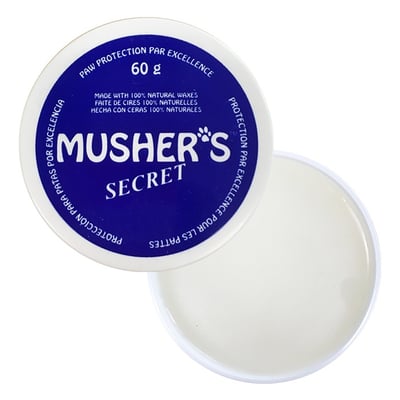
For dogs that don't tolerate shoes well, paw waxes can be an easy alternative. The wax is applied directly to the paws before you hit the trail. It forms a protective layer that minimizes damage and discomfort from abrasive surfaces.
Paw wax won't provide the same level of protection as boots on technical terrain, but for casual day hikes on moderate trails, it does the job without the fuss of fitting and breaking in footwear.
Our Top Pick: Musher's Secret Paw Protection Wax
Hydration & Trail Nutrition
Dogs dehydrate faster than people on the trail, and they can't tell you when they're thirsty. Building regular water breaks into your hike is one of the most important things you can do for your dog's safety, especially on hot days or longer outings.
Always bring more water than you think you'll need. You may not be able to find a clean, fresh source of water on the trail, so packing a little extra can be a lifesaver.
Dog Water Bottle

A dog water bottle is a great way to keep your dog hydrated on the go. It's a water bottle with a built-in bowl or tray so you can stop to offer them water as often as needed on your hike.
There are tons of options, but pick the dog water bottle style that best suits your dog's drinking habits, their size, and the length of your hike.
Our Top Pick: Kurgo Gourd Water Bottle
Collapsible Bowls

A collapsible bowl is a lightweight companion to the water bottle and is useful any time you need a hands-free option. These are ideal for longer rests, meal times, or any situation where your dog needs more than just a quick sip.
They typically fold or compress into a flat disk or square, making them easy to store in or clip to a backpack or other hiking gear. It's a good practice to have one for food and another for water, especially if you are on a long or multi-day hiking excursion.
Our Picks: Homes Alive Pets Collapsible Bowl | Kurgo Zippy Bowl
Treat Pouch
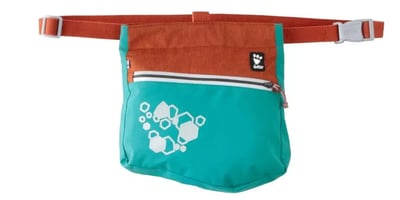
Some tasty treats can be a great way to keep your dog attentive and energized on a hike, so invest in a wearable and easy-to-use dog treat pouch so that you can always keep a tasty reward close by.
You might use treats to reward confident behaviours in beginner dog hikers or to distract your excitable pup from the overwhelming landscape around you. Stick to high-value, flavour snacks that your dog loves.
Our Picks: Company of Animals Coachi Train & Treat Bag | Kuma Good Dog Treat Pouch | Hurtta Treat Pocket
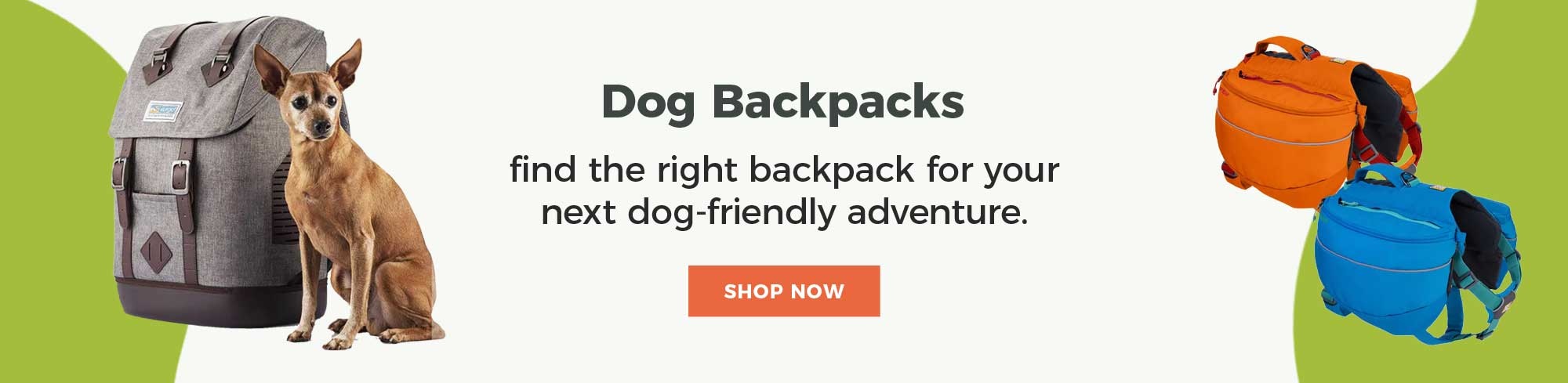
Dog Backpack
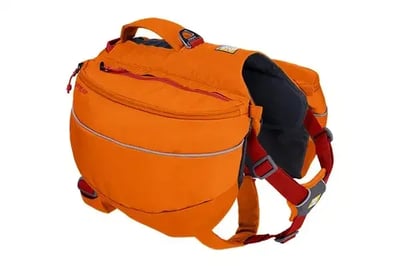
When heading out on a hike or long walk with your dog, you'll want to ensure you bring extra supplies for him, like water, snacks, poop bags, and some of the other items listed here!
Dog backpacks are not only a great way for your four-legged explorer to carry his own weight but also get more of a workout, so you push the dog's limits by carrying their own gear or water. For smaller dogs that may need some support on your hike, consider a dog backpack carrier, so you can haul them around when they get tired.
Our Picks: Ruffwear Approach Backpack | RC Pet Quest Day Pack | Kurgo G-Train Dog Carrier Backpack
Learn more about the benefits of backpacks for dogs and how to choose the right one in Best Dog Backpacks.
Health & Safety
Accidents happen when you are exploring nature, so it's a good idea to pack along supplies and take precautions before your hikes to keep your pets safe on the trail. From bug bites to minor scrapes and cuts, these recommendations are key to keeping your hiking adventures fun and safe.
First Aid Supplies
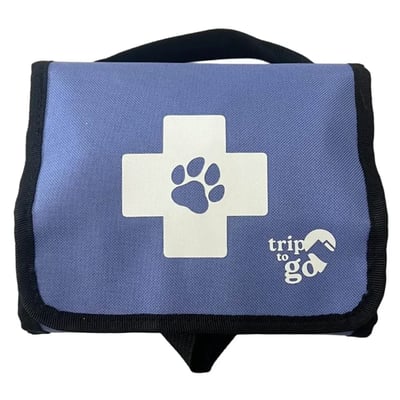
You can't know what's going to happen on the trail. From bug bites to minor scrapes, nature can be unforgiving and unpredictable. Packing along a small first aid kit with basic wound care supplies, bandages, and tools to clean and disinfect can be a game-changer.
Our Top Pick: Trip To Go Pet First Aid Kit
Flea & Tick Prevention
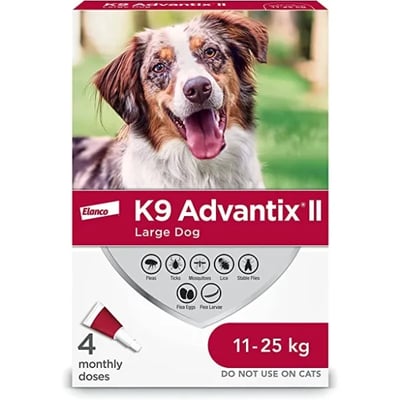
The risk of flea or tick infestations when trekking through nature is higher than walking your usual neighbourhood beat. Seasonally appropriate treatments to prevent fleas and ticks can give you some peace of mind on the trails that your dog is well-protected.
These pests tend to hide in tall grass and wooded areas and will latch onto whoever is within reach. Fleas and ticks can carry serious and life-threatening diseases, so prevention is always better than treating after the fact.
Our Top Pick: Elanco Advantix II
Make sure you check your dog during and after hikes for signs of pests. Paws, underbellies, neck, and ears are common spots for fleas and ticks to hitch a ride.
Insect Repellant
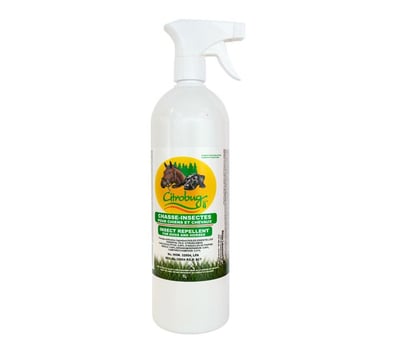
Bugs can be a nuisance on a hike, but a safe, effective bug repellent spray can help keep common pests off your dog. Bug sprays made for humans often contain harmful chemicals or ingredients that are toxic for dogs, so stick to options that are truly pet safe.
Mosquitoes, bees, and other insects can bite or sting your dog, and some even carry and spread diseases or worm larvae. Spraying before your hike is key, but depending on the length of your hike, the weather, and the time of day, re-spraying your pet mid-hike can keep them protected the whole time.
Our Top Pick: Citrobug Insect Spray for Dogs
Bug repellent does not replace flea & tick prevention. Talk to your vet about the recommended preventatives and treatments for pests in your region.
Spot Cleaning Supplies

You never know what kind of weather, terrain, or activities you are going to get into on a hike, so pack along some lightweight grooming supplies for spot-cleaning your dog just in case. An impromptu dive into a creek, a satisfying rolling in a muddy puddle, or even just walking through some brush can leave your dog a bit messy.
Some pet wipes, a waterless bath, and a slicker brush can help give your dog a 10-second tidy before the dirt and grime set in.
Our Picks: Scrubby Instant Bath Mittens | Unleashed Pet Wipes | Tux Slicker Brush
Dog Hiking Gear for Different Seasons
The gear you bring should be geared to the weather. Determined hikers don't discriminate between rain, shine, or snow, but making sure your dog is prepared to handle the same climate should be a top consideration.
From apparel to walking accessories, your dog's gear needs to stand up to the weather and help your dog maintain a healthy body temperature, keep them dry, and stay comfortable.
Summer Hiking Gear for Dogs
Hot temperatures, humidity, and UV protection can make a simple summer hike turn unpleasant or even dangerous if you and your dog aren't properly geared up.
Hydration, shade, and cooling gear should be considered when packing for your warm-weather adventures. Be deliberate in choosing your trails and consider how much tree cover or shade will be available, what type of terrain you will be walking on, and how much water you can carry.
Beyond the core checklist above, here are a few hot-weather hiking items for dogs you may need:
- Cooling Vest or Bandana: Help your dog regulate body temperature with a water-activated cooling vest or bandana. These can be rehydrated as often as needed and use natural evaporation to draw out body heat.
- Dog T-shirt for UV protection: For dogs with short or thin fur, a UV protection t-shirt or body suit will prevent sunburns.
- Dog Sunscreen: Dog-safe sunscreen for delicate skin, like the nose and ears, can help prevent dog sunburns, especially when hiking during the hottest hours of the day and when you have limited reprieve from direct sun exposure.
Learn more ways to keep your dog cool on a hot summer adventure in Best Ways to Cool Down a Dog.
Rain Hiking Gear for Dogs
Rainy hikes are inevitable in most parts of Canada, and with the right gear, they don't have to be miserable. The goal when hiking in wet conditions is to keep your dog as dry as possible for as long as possible. A wet dog is a cold, uncomfortable dog, and one that's going to make a mess of your car on the way home.
Here are a few wet-weather additions worth packing:
- Rain Coat & Waterproof Boots: Keeping your dog dry helps keep them cleaner and more comfortable. Rain can happen in any season, so stick to rain gear that matches the temperature.
- Waterproof Collar & Leash: Fabrics can get smelly and collect bacteria when wet, which is why waterproof walking accessories are often preferred.
- Drying Wrap or Towel: Even the best gear can't keep your dog 100% dry, so a lightweight drying wrap or a quick dry towel can be helpful to use after the rain stops or before you get back to your car.
Winter Hiking Gear for Dogs
Hiking in cold weather is a whole new ball game. Not only is the temperature a factor, but the terrain you will be walking on could be more difficult, slippery, and uneven.
Even with a fur coat, you need to make sure your dog stays warm and dry, and ensure they have the grip and footing to be able to trudge through snow and traverse slippery, icy surfaces.
Consider the following cold-weather gear for your next winter hike:
- Dog Coat: A coat can help maintain a safe core body temperature. Choose the coat that matches your climate, such as insulated coats with thermal lining for extreme weather.
- Winter Dog Boots: These boots should provide insulation, keep paws dry, and offer them some grip on slick surfaces.
- Dog Snood or Scarf: Scarves or neck covers help to block wind and keep out snow and moisture. They work best in combination with a coat.
Tips for Packing Smarter, Not Harder
Being prepared for your next dog-friendly hike will help ensure you and your dog have fun, stay safe, and can handle minor inconveniences that may arise. Packing for a hike is a bit of an art because you want to balance necessities with convenience, and make sure it's lightweight enough to carry around all day.
Here are a few tips to help you prepare your pack:
Let Your Dog Pull Their Own Weight
One of the best ways to help share the burden of packing extra gear for your dog is to train them to wear a dog backpack. This allows them to carry some of their own gear, including things like poop bags, extra water, pet wipes, and other essentials that you'd rather have and not need than need and not have.
Choose Clip-on Gear When Possible
Small items like collapsible bowls, treat pouches, and poop bags can all be clipped to your backpack, their backpack, or even your belt loops to keep the experience hands-free. This makes the gear easy to access without having to unpack your gear, and can help you maximize the efficiency of your pack space.
Not Everything Needs to Come on the Trail
As much as you want to be prepared for every scenario on a hike, there are some things that can wait until you get back to your car. Larger items like towels and dog food can remain in the car for single-day and casual hikes. Cleaning up messes, offering meals, and more in-depth grooming may not need to be done on the go, and it will be less gear you have to carry.
Match Your Kit to the Trail
The length and difficulty of your trail adventures matter. Even if you are just trying to plan for every possible outcome, overpacking will only lead to you carrying excess weight. Short day hikes need only the basics, most of which should be wearable, clippable, or small enough not to take up too much space in your pack or pockets. Long and advanced trails or multi-day excursions will require more robust and versatile gear, so plan accordingly for both your hike and your rest stops.
Test Your Gear Before You Hike
Whether you are trying out some new gear or dusting off gear from last hiking season, it's a smart idea to check all your gear ahead of packing. Check for damage, make sure it does what it's supposed to do, and try anything wearable on to ensure proper fit and comfort. You don't want to be in the middle of nowhere and have your dog's gear fail on you.
Best Dog Hiking Gear FAQs
Do dogs need backpacks to hike?
Dog backpacks aren't required or right for every dog, but they can be a useful tool with the right training and proper fit. In addition to letting them carry some of their own gear, it can also add a little extra weight to make the hike a little more physically demanding. This is ideal for high-energy breeds.
Do dogs need a harness for hiking?
A secure and supportive dog harness is highly recommended for hiking with your dog. A harness takes pressure off of your dog's neck and evenly distributes it across their chest and shoulders. It also gives you a sturdy point at which you can grab onto them and support them across more difficult terrain.
How do I keep my dog hydrated on a hike?
Make sure you bring enough water to offer your dog frequent opportunities to drink. A dog travel water bottle or a travel bowl is a lightweight, clippable gear that is easy to pack and pull out when you need it. Never let your dog drink from streams, lakes, or standing water on the trail, as these sources can carry bacteria and parasites that cause serious illness.
What is the best leash for hiking with dogs?
A standard 6-foot lead is fine for most hikes. It keeps them close by with a little bit of room to explore. Avoid retractable leashes as they can more easily break, get tangled around plants or trees, and don't give you quick control of your dog in the event of an emergency or an interaction with wildlife.
.jpg)