.png?width=200&height=66&name=logo%20(1).png "HomesAlive Pets Canada")

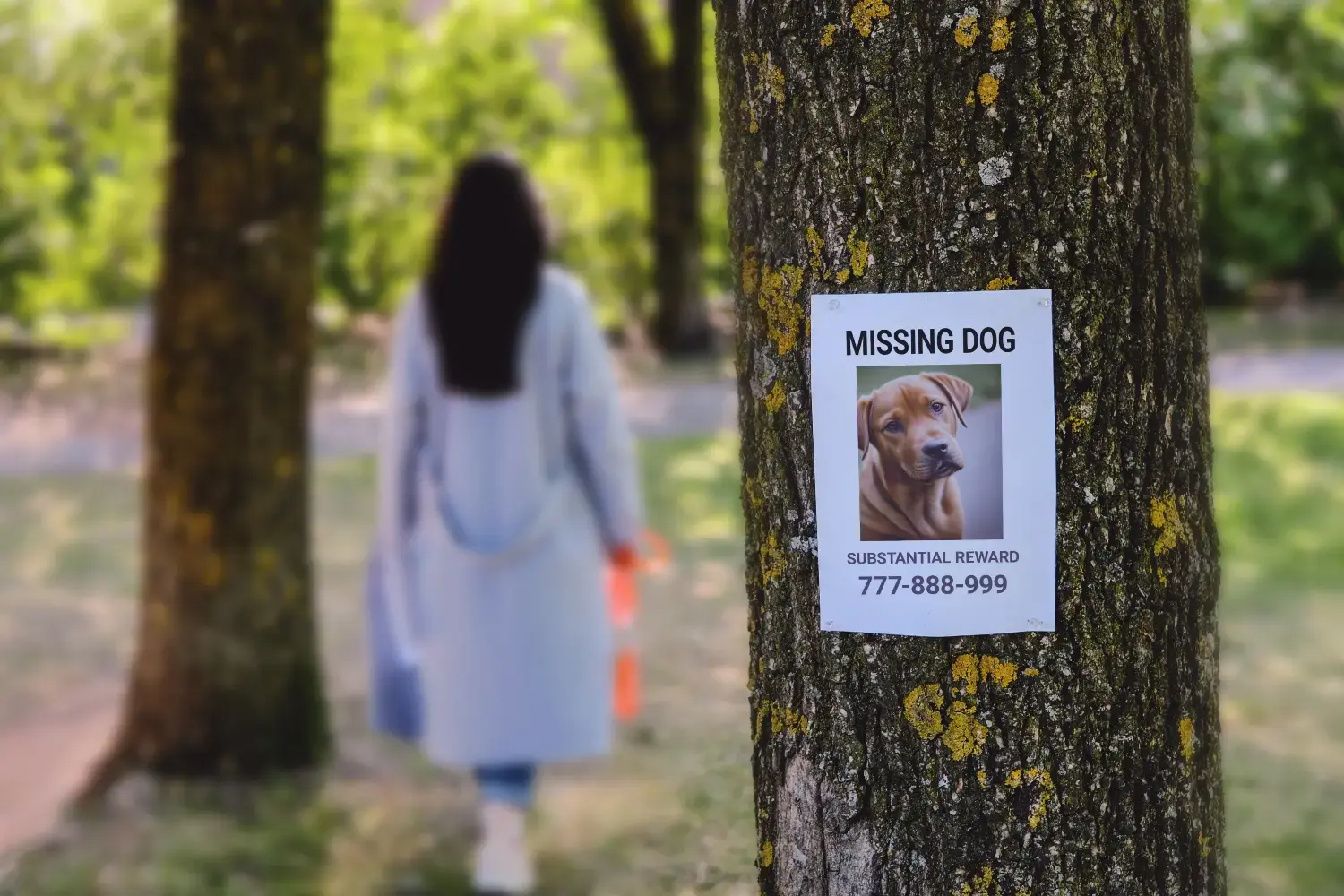
If you’re trying to figure out how to find a lost dog, the key is to act quickly, stay focused, and follow a clear plan. This guide walks you through what to do and when to do it, so you can search with purpose and improve your chances of bringing your dog home safely.
Your furry friend is a member of your family, and when they become lost, you probably panic. Losing a dog is one of those moments that instantly shifts everything in your life. One second, your dog is right where they should be, and the next, they’re gone.
Maybe a gate was left open, they slipped through the door, slipped their leash, or something scared them, causing Fido to bolt. However it happened, the result is the same: you’re left wondering, “How do I find a lost dog?”
The first thing to do is relax and breathe. The good news is that many lost dogs are found. Finding a lost dog isn’t about doing more. It's about doing the right things in the right order.
What to Do Immediately When Your Dog Goes Missing
The first few minutes after your dog goes missing matter more than you think. Acting quickly and staying focused can make a huge difference in how fast you find them.
Before you start searching in every direction, take a moment to think through the situation calmly. It might feel counterintuitive when adrenaline is high, but a few minutes of clear thinking can save hours of unfocused searching for Fido.
Answer these questions:
-
- Where was your dog last seen?
- What time did they go missing?
- Was there anything unusual happening, like loud construction, fireworks, or a storm?
Small details can help you understand how your dog may have reacted in the moment and where they might have gone.
Next, grab some supplies. Finding your dog and getting them home requires the right accessories and incentives. Bring a few essentials with you:
- Collar: Even if they were wearing their collar when they got lost, having a spare dog collar is still a good idea. They may not still be wearing their collar when you find them.
- Leash: Containing your dog and getting them back to safety may require a leash. The last thing you want is to find them but not have a way to keep them secure.
- Treats/Food: If your dog is food motivated, grab their favourite dog treats. The familiar shake or crinkle of the bag can encourage your dog to come out of hiding.
- Toys: For dogs that aren't as easily bribed with food, their favourite squeaky toy or ball may help. The sound can help get their attention and have them running back to you on their own.
These won’t guarantee anything, but they can make it easier to safely secure your dog when you find them.

Once you've planned and prepared, it's time to start searching. The initial steps are all about common sense, staying calm, and sticking to areas that are familiar to your dog.
Here are some simple steps for beginning your search:
-
- Start searching your immediate area
- Call your dog in a calm, familiar voice
- Check common hiding spots nearby
- Talk to neighbours and people in the area
- Bring treats or familiar items to help lure them
We'll dive deeper into these steps and best practices below.
How Lost Dogs Behave When They Go Missing
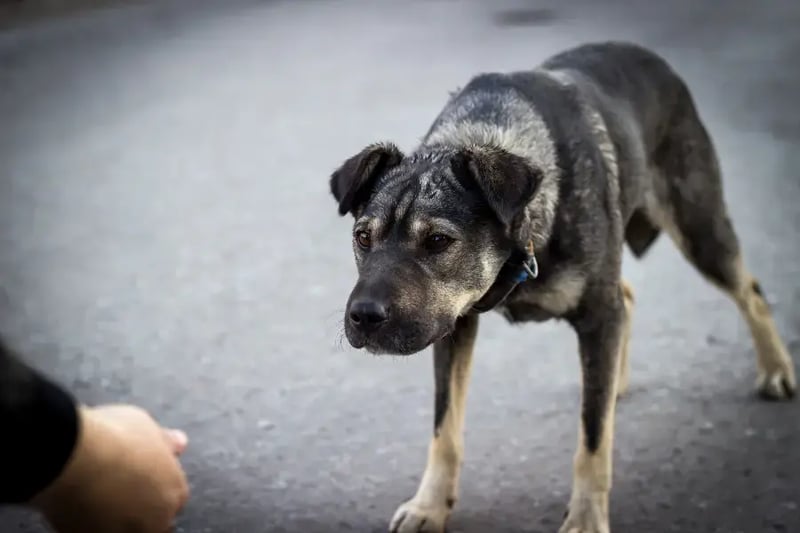
Not all lost dogs act the same, and assuming they do is one of the biggest reasons searches fall short. Understanding how your dog is likely to behave can completely change where and how you look.
Friendly vs Fearful Dogs
Friendly and social dogs often seek out people. They may approach strangers, follow someone home, or be picked up quickly by a well-meaning neighbour. In these cases, your dog may not be far, but they may already be inside someone else’s house.
Fearful or anxious dogs are much harder to find. Instead of wandering, they tend to hide quietly in small, covered spaces like under decks, in bushes, or along fence lines. Even if you’re close, they may not respond to your voice at all.
High-energy or curious dogs are more likely to keep moving. If they were chasing something or got spooked, they may travel farther than expected, especially along trails, roads, or open areas.
Territorial dogs often stay within a familiar radius. They may circle back toward home or remain in areas they recognize, even if they don’t come directly to you.
Learning to recognize your Dog's Body Language can also help you approach them more safely if you spot them.
How Personality Affects Where They Go
A dog’s personality doesn’t just affect how they behave when lost; it directly impacts where they’re likely to go.
Confident, social dogs tend to move toward activity. They may head toward people, homes, or familiar walking routes, especially if they associate those places with attention or food.
More fearful dogs usually do the opposite. Instead of wandering, they look for the closest place to hide and may stay there for long periods without moving. This is why some dogs are found just a few houses away days later.
Highly food-motivated dogs may gravitate toward areas with garbage bins, outdoor food sources, or places where people gather.
Understanding these tendencies helps you prioritize where to search instead of covering ground randomly. The goal isn’t just to search more; it’s to search where your dog is most likely to be.
How Far Do Lost Dogs Travel
Most lost dogs stay within a few blocks of where they went missing, but some can travel several kilometres, especially if they are frightened or chasing a scent.
Dogs rarely move in a straight line. They may wander, double back, or settle in one area once they feel safe. This can make it seem like they’ve travelled farther than they actually have.
Movement often slows over time. A dog that initially ran far may eventually settle into a smaller area, especially if they find food, shelter, or a quiet place to hide.
Distance matters, but behaviour matters more. Focus on likely patterns, not just how far they could have gone.
Search Close First For Your Dog
One of the most common mistakes people make is assuming lost dogs travel far and fast. In reality, many lost dogs are actually found very close to where they went missing.
Start by walking your immediate area slowly. Do not do a quick lap around the block. Instead, you need to move deliberately and pay close attention to small details.
Call your dog’s name in a calm, normal voice. It’s natural to want to shout, but a frantic tone can actually make a scared dog stay hidden because they are too afraid to come out.
Bring something familiar, like your doggo’s favourite treats or a toy. As you search, always pause often to listen for a familiar bark or noise.
Look in places a dog might hide:
-
- Under decks
- In backyards
- Behind bushes
- Inside open garages
- In ditches
If your dog is frightened, they may stay completely silent, even if you’re only a few feet away, so take your time and be patient.
A thorough local search often leads to the quickest reunions, so take the time to truly search close by.
How to Search for a Lost Dog in Your Area
Though that feeling of panic can be overwhelming, a more structured search of your area is the best first step.
Gather your thoughts and consider what's closest and most familiar to your dog. Then plan a sweep of this area. This isn’t about covering more ground. It’s about searching smarter.
Where to Look (Common Hiding Spots)
Lost dogs, especially scared ones, don’t always keep moving. Instead, they may hide. Understanding where lost dogs usually go to hide can help you make your initial search more effective.
Focus your search on places that offer cover and quiet. Common hiding spots include under decks, inside sheds, behind bushes, along fence lines, and in open garages. Even small gaps or shaded areas can feel safe to a frightened dog.
Check anywhere your dog could slip into and stay unnoticed. This includes areas you might normally walk past without thinking twice.
When to Search (Best Times of Day)
Timing can make a big difference when searching for a lost dog.
Early mornings and late evenings are often the most effective times to search. These quieter periods reduce noise and distractions, making it easier to hear movement or spot your dog.
Dogs that are nervous or avoid people are also more likely to move around when things are calm.
If your dog is missing at night, focus on quiet, low-traffic areas and move slowly while listening carefully. Knowing how to search for a lost dog at night can make it easier to spot or hear them when they feel safest moving.
How to Call Your Dog Without Scaring Them
How you call your dog matters more than most people realize. It’s natural to panic and shout, but a loud or frantic tone can actually make a scared dog stay hidden or run farther away.
Instead, use a calm, familiar voice, like you would at home. Keep your tone relaxed and consistent, even if you’re feeling stressed.
Pausing between calls is just as important. Give your dog time to respond, and listen carefully for movement, barking, or rustling nearby.
If your dog is frightened, they may not respond right away, but a calm voice makes it more likely that they’ll feel safe enough to come out.
How to Increase Your Chances of Finding a Lost Dog
Once you’ve searched your immediate area, there are a few ways to expand your search and increase visibility to your community. Each step helps in a different way, and combining them gives you the best chance of finding your dog quickly.
Expand Your Search Without Losing Focus
If your dog doesn’t turn up in your immediate area, it’s time to expand your search, but do it strategically with a set plan.
Think about how your dog might have moved. Larger and more active dogs can travel longer distances, but that doesn't mean they will. Smaller dogs or older dogs often stay closer to home, but could be more likely to get chased or frightened.
Instead of searching randomly, map out a logical radius around the last known location. Focus on places dogs are naturally drawn to, like parks, walking trails, open fields, and quiet residential streets.
Focus on balancing urgency with intention. Covering more ground is helpful, but only if you’re still searching thoughtfully and not missing anything.
Talk to People, Not Just Your Phone
Start connecting with people nearby to see if they have seen your pup and to alert them to the fact that Fido is missing. This step is often more effective than posting online in the early hours.
Knock on doors, speak with neighbours, and talk to anyone who might have been outside recently, such as delivery drivers, landscapers, joggers, or people walking their own dogs. Let everyone in your neighbourhood know that your dog is missing and ask if they’ve seen anything.
What makes this step powerful is that people notice more than you think they do. Someone may have seen a dog pass through their yard or heard barking nearby, but didn’t realize the dog was lost and actually belongs to you.
This kind of local awareness is often one of the most effective ways to get leads.
How to Use Flyers to Find a Lost Dog
Flyers are another tool for finding lost dogs, but only when they’re done properly. Always remember that the goal with flyers is visibility and clarity. Someone driving or walking by should be able to understand your flyer in a few seconds.
A clear photo is essential when creating the flyer. Your headline should also be bold and simple. Ensure that your contact number is easy to read.
You don’t need your dog’s full life story on a single sheet of paper unless it's absolutely necessary. Focus on what helps someone recognize your dog quickly and know how to contact you.
Placement matters just as much as design when using flyers to find your dog. Post them in high-traffic intersections, community boards, and areas near where your dog went missing. They are all strong locations.
Nearby veterinary clinics and pet stores are also worth targeting because they attract people who are more likely to pay attention to lost pet notices than non-pet owners.
Handing flyers directly to people can be even more effective than posting them. It creates a moment of connection, making them more likely to remember your dog.
Using Social Media and Local Online Groups Effectively
Social media is a powerful tool when looking for a lost dog, especially when used correctly. Posting in large groups can help, but local visibility is what really matters when you need help finding Fido.
Look for neighbourhood groups, local pet pages, and community apps (like Nextdoor) where people nearby are active. Include a clear photo, the exact location your dog went missing, and a way to contact you quickly.
Be responsive if someone comments or messages you with a possible sighting. Always follow up right away. Even small leads can help you narrow down your search area.
Check Animal Shelters and Veterinary Clinics
Even if your dog is microchipped, you should never assume that’s enough to bring your pup home. Shelters and animal control services may take time to process incoming animals, and records aren’t always perfect, so mistakes are made.
If possible, visit in person. Seeing the dogs yourself reduces the chance of a missed match.
Call local shelters as soon as possible and provide a description of your dog. Some major cities like Toronto, Calgary and Edmonton use 311 to report lost pets, connecting you to animal control and helping get your pet home safely.
Use Familiar Scents to Help Your Dog Find Their Way Back
Dogs experience the world primarily through scent, and you can use that to help guide them back home to you.
Leaving familiar items outside your home can create a scent trail or anchor point for your dog to follow. This might include your dog’s bed, a blanket, or even clothing that smells like you.
If your dog went missing elsewhere, placing these items at the last known location can help bring them back to that spot.
This technique doesn't work for every dog or situation, but it can help guide some dogs back home, or at least into an area where you’re more likely to find them.
What to Do If You Spot Your Dog
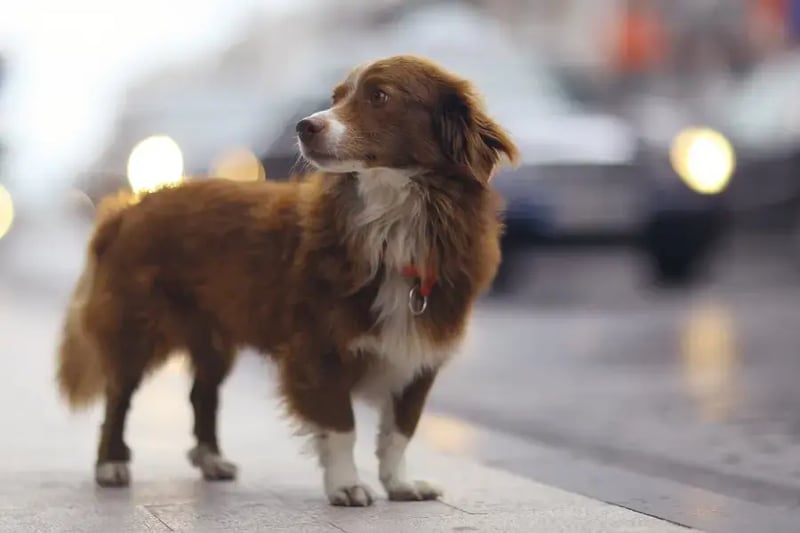
Finding your dog doesn’t always mean the situation is resolved immediately. Some dogs behave very differently when they’re lost, especially if they’ve been scared or on their own for a while, so it’s going to take time to establish your routine.
If you see your dog, resist the urge to chase them. This can trigger a flight response in an animal, even if they recognize you. Instead, stay calm and make yourself less threatening. Crouch down, speak softly, and let them come to you if possible.
High-value dog food can also be a powerful motivator. Even dogs that won’t respond to commands may approach for something to eat.
In some cases, especially with very fearful dogs, humane traps may be necessary. These allow you to capture the dog safely without causing additional stress to you or the animal.
Recovery doesn’t always go as expected, so patience matters here. Understanding different possibilities and best practices can help you lure your dog safely.
Why Your Dog Might Not Come to You
It’s one of the most frustrating moments in this process; you spot your dog, but they won’t come when you call. In some cases, they may even run away from you.
When dogs are scared or overwhelmed, they don’t always behave the way they normally would. Even a well-trained dog can go into a flight response and avoid familiar people, voices, or commands.
This happens more often than people expect. When your lost dog won't come to you, you will need to change your approach.
How to Approach a Scared or Running Dog
Your approach should vary depending on whether your dog is hiding vs running from you, since pushing too quickly can cause a fearful dog to bolt even farther.
A dog that is showing signs of fear is likely to try to run, and there are a few tips you should follow to try to encourage them to stay calm and come to you:
-
- Do not chase them. Chasing can trigger them to run farther and faster, even if they recognize you.
- Lower your body and turn slightly away. Facing them head-on can feel threatening.
- Use a calm, relaxed voice. Avoid shouting or calling frantically.
- Let them approach you. Tossing high-value dog treats nearby can help build trust and draw them closer.
In some situations, it can help to sit down and stay still, giving your dog time to process and feel safe enough to come back.
If your dog continues to avoid contact, you may need to shift strategies and use food, scent, or containment methods instead of direct retrieval.
Keep yourself calm and be patient. Allowing your dog to approach you will lead to a safer rescue.
How to Search for a Lost Dog Over Time
You want to find your dog quickly, but recovering your lost dog could take hours, days, or even weeks. The way you search should change depending on how much time has passed.
What works in the first few hours is very different from what works days later. As time passes, the search area should grow, and your strategy needs to adapt.
Knowing how to search for a lost dog isn’t just about what you do; it’s about when you do it.
First Few Hours
Focus on your immediate area. Most dogs are found close to where they went missing, especially early on. Move slowly, check hiding spots thoroughly, and use a calm, familiar voice. This is not the time to expand your search too far.
First 24 Hours
If your dog hasn’t been found nearby, start increasing visibility. Talk to neighbours, post flyers, and begin sharing in local online groups. This is often when sightings start to happen, especially for dogs that are moving around.
After 1-2 Days
Shift from covering ground to following patterns. Pay close attention to any reported sightings and revisit those areas. Dogs that are loose for longer periods may begin establishing a loose routine or returning to the same spots for shelter or food.
After Several Days or More
At this stage, your dog may be in survival mode, especially if they are fearful. Familiar scent items, feeding stations, or even humane traps may be needed to safely recover them. Consistency becomes more important than speed.
Use local resources, like animal control, rescues, shelters, and pet groups. The more people keep an eye out, the better.
Stay Consistent, Even When It’s Hard
One of the toughest parts of this process is maintaining momentum. The first day is full of energy and urgency, but as time passes, it can feel like you’re running out of options and your furry friend is lost forever.
Keep refreshing your flyers. Continue posting updates online. Revisit areas where your dog has been spotted or where you think they might return. Always stay in contact with shelters and local organizations because they have intakes on a daily basis.
Dogs have been found days, weeks, and even months after going missing. The difference often comes down to whether the search continues.

Common Mistakes When Searching for a Lost Dog
When emotions are high, it’s easy to act on instinct, but some of the most common reactions may actually slow down the search.
- Covering Too Much Ground Too Early: One of the biggest mistakes is searching too far too soon. Many dogs are found very close to where they went missing, but people often assume the worst and expand their search too quickly.
- Using a Panicked Tone: Another is calling frantically or shouting. While it feels natural, a frantic tone and repeating your calls too urgently can make a scared dog stay hidden instead of coming toward you.
- Searching at the Wrong Times: Search high-traffic areas in the morning and evening when they will be less crowded, and search quieter or more secluded areas during peak times when your dog may seek shelter from noise, people, and other animals.
- Chasing Your Dog: Even friendly dogs can run when they feel pressured, turning a sighting into a missed opportunity. Focus on letting them come to you and keeping them calm.
- Not Rechecking Nearby Areas: Once you thoroughly search an area, don't disregard it. Move on, but plan to recheck the next day. You can't assume your dog will stay in one spot, and they may return to areas they feel safe in.
Avoiding these mistakes won’t guarantee immediate results, but it will make your efforts far more effective.
How to Prevent Your Dog From Getting Lost Again
When your dog is finally back, there’s relief, but it’s also a good time to think about prevention so you don’t have to go through it again.
Always take a close look at how your dog escaped. Was there a gap in the fence? A loose latch? A moment where supervision slipped? Fixing these issues reduces the chance of it happening again, so your dog is safe day after day.
Training also plays a role. Strengthening your dog’s recall can help prevent future situations or make recovery easier. If your dog struggles to come when called, working on recall training is one of the most valuable skills you can build.
Bringing them to new places like dog parks or on vacation can also lead to an increased risk of your dog getting lost; recall training plus the proper walking aids will be key to preventing them from running off.
Dog anxiety can play a role in an accidental escape. They may bolt as a result of loud noises like thunderstorms or fireworks, or could be reacting to a new person or pet in the home. Use dog calming aids to support them through routine changes and new environments.
Even with all the right steps and safeguards in place, things happen, so if prevention fails, make sure your dog has all the right identification to help them get home fast and safe.
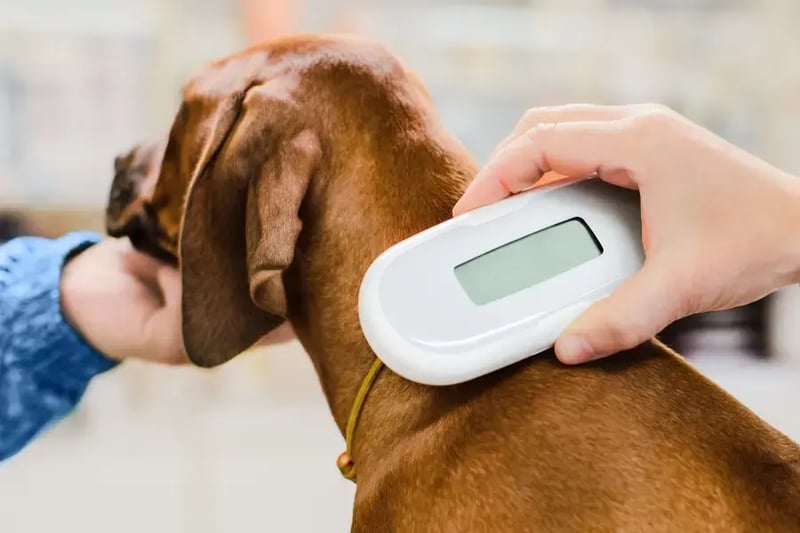
A durable, well-fitting collar with clear ID Tags is a must, and a microchip adds an extra layer of identification that can be scanned at any vet's office for free. Keep contact info up to date.

What Matters Most When Your Dog Is Missing
Losing your dog is overwhelming, but knowing how to find a lost dog gives you a clear direction when everything feels uncertain. The key is to act quickly, search intelligently, and stay consistent.
Start close, talk to people, use both physical and digital tools, and keep going even when it feels like progress has slowed.
Every lost dog situation is different, but one thing remains the same: the more focused and persistent your efforts are, the better your chances of bringing your four-legged best friend home.
If you’re in the middle of this right now, don’t give up. Keep searching, keep asking, and keep showing up. Your dog is out there, and every step you take brings you closer to finding them and bringing them home safely.
Lost Dog FAQs
How long does it take to find a lost dog?
Most lost dogs are found within 24–48 hours, especially if they stay close to home. However, some dogs are found days or even weeks later, depending on their behaviour and how consistently the search continues.
How far can a lost dog travel in a day?
This depends on the dog and the environment. Some dogs stay within a few blocks, while others may travel much farther. Prey-driven and high-energy dogs might get further, while young and older dogs might not have the stamina or confidence to get as far.
Will my dog come back home on their own?
Some dogs do find their way home, but don't rely on that. It's more common for confident dogs that are very familiar with the neighbourhood, but if they get far enough away, they may not be able to find their way back.
What should I do if my dog runs away and won’t come to me?
Don't chase. Chasing can make them run further. Instead, try to approach slowly, stay low, and use a calm and soft tone to call them. Use food or toys to lure them out. If your dog still won't come to you, stop approaching. You can try sitting on the ground and letting them approach you.
What should I put on a lost dog flyer?
Be clear and direct. You want only the most vital information, like a clear, recent photo, a short description, the last place they were seen, and your direct contact information.
Should I offer a reward for my lost dog?
Offering a reward can sometimes encourage people to pay closer attention or report sightings, but it’s not always necessary. In some cases, it may also attract false leads or scams. If you choose to offer a reward, keep the amount private and focus on clear contact information and visibility first.
.jpg)