.png?width=200&height=66&name=logo%20(1).png "HomesAlive Pets Canada")

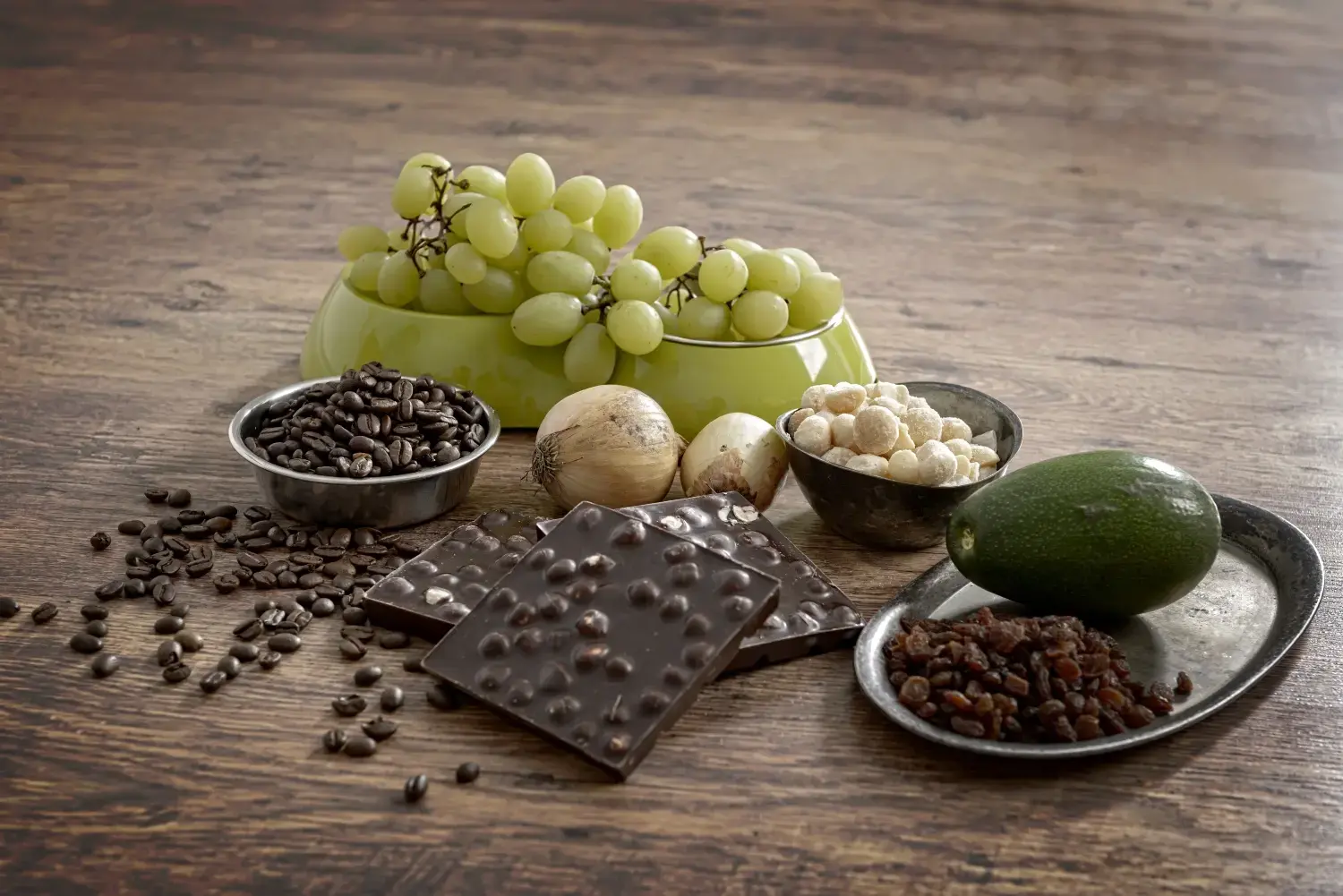
Let’s face it: many of us feed our dogs from our plates even though we know we shouldn’t. While it’s tempting to give leftover scraps to our canine friends, the reality is that there are many human foods that are unhealthy and even dangerous for dogs. Feeding table scraps to your dog can be a bad habit that can harm your pet.
The High Cost of Table Scraps
Every year, there are more than 17,000 pet emergencies pertaining to human food consumption.
Those visits aren’t cheap, either. According to a sampling of typical costs associated with pet emergencies, toxin ingestion can cost pet owners anywhere from $250 to $5,000 and more.
Other stomach-related issues like food bloat, stomach bloat, weight gain, and intestinal obstructions are equally as expensive. And let's not forget the high cost of secondary food-related diseases and conditions such as obesity and diabetes.
And the highest cost of all? Many frantic vet calls and visits end in tragedy. A hefty vet bill may be all you bring home. Lower your vet bill and help your pet live longer by keeping these dangerous human foods away from your dog:
Top 10 Toxic Human Foods for Dogs
Just because you love a three-course dinner doesn’t mean your dog should indulge as well. As a responsible pet owner, it is important to understand which human foods are dangerous to dogs. Here is a list of the top ten foods to avoid feeding your pets:
1. Chocolate, Coffee & Other Caffeine Sources
As the statistics mentioned, toxin ingestion is an expensive and potentially fatal mistake for your dog. Chocolate, coffee, tea, colas, and energy drinks contain substances called methylxanthines. Because chocolate and coffee can be life-threatening, even a small quantity could be fatal for some dogs.
Caffeine in coffee and theobromine in cacao (cocoa) beans are both highly toxic to pets. At the very least, compounds like methylxanthines can cause vomiting and diarrhea, panting, dehydration, and excessive urination in dogs. At their worst, symptoms can manifest in tremors, seizures, abnormal heart rhythms, and even death.
While no chocolate should ever be given to dogs, it is worth noting that the darker the chocolate, the more dangerous it is. White chocolate has the lowest level of methylxanthines, while typical baking chocolate contains an extremely high level. Sweet tooth or not, your dog should not be ingesting any chocolate or coffee.
The smaller the dog, the less toxin it takes for adverse symptoms to appear.
2. Alcohol & Raw Yeast Dough
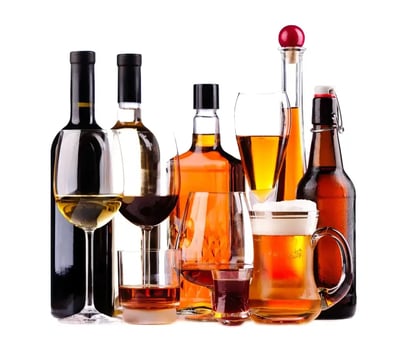
When enjoying an alcoholic beverage, avoid placing it on a table or surface that your dog can easily reach. Alcohol contains ethanol, which can cause damage to a dog’s respiratory and central nervous systems.
Ethanol is especially threatening to dogs because of how rapidly it can be absorbed into your dog’s bloodstream. Food and beverages containing alcohol, like some baked goods, can cause diarrhea, vomiting, difficulty breathing, decreased coordination, abnormal blood acidity, tremors, unconsciousness, and even death in dogs.
Just like alcohol, yeast contains ethanol. Fermentation occurs when dough rises or proofs, which creates ethanol. Large amounts of yeast dough can induce negative side effects related to alcohol consumption.
In addition to the ethanol risk in raw dough, it will continue to expand and ferment in your dog's stomach if they eat it. This can be extremely painful and even cause the intestines to rupture.
Never leave your pet unattended with rising yeast dough on the counter. The smell can be irresistible to dogs, so don't take the chance.
3. Grapes & Raisins
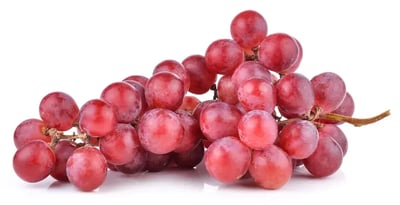
This one may come as a surprise for some pet owners. Grapes and raisins may seem like a harmless treat for dogs, but they aren't as innocent as you ight think. There is a compound in grapes & raisins that is toxic. The exact toxic substance within grapes and raisins is not yet clear, but one thing is for sure: it can be deadly.
It does not necessarily take excessive amounts of these toxins to cause kidney damage or failure in dogs. Other side effects include vomiting, lethargy, and depression. For pets with existing medical conditions, the side effects of grapes and raisins may be more pronounced.
4. Onions, Leeks & Chives
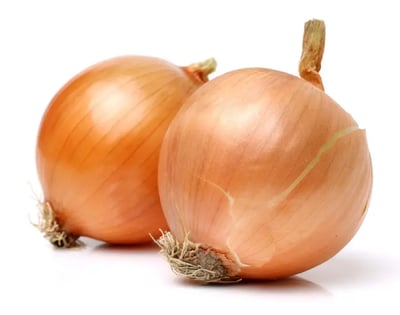
Onions are commonly added to human foods to give them flavour and spice. However, onions, chives, and other similar vegetables and herbs of the Allium family can cause gastrointestinal irritation in dogs.
Many have also been connected to red blood cell damage, weight loss, and lethargy. While onions and chives are significantly more dangerous to cats, dogs should avoid these toxic veggies.
5. Toxic Nuts & Seeds
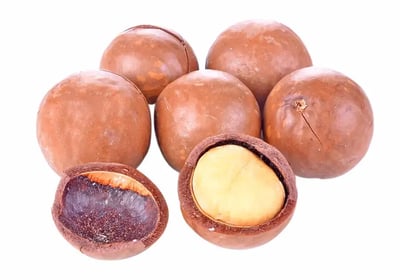
Nuts aren't a typical ingredient in pet food, but any dog owner knows that our snacks tend to catch your dog's attention. While they are a healthy and nutrient-dense snack for us, some types of nuts can be dangerous for dogs.
Macadamia nuts, for example, contain an unknown toxin for dogs that can have neurological effects. Other nuts that should be avoided include black walnuts, pistachios, pecans, and hickory nuts.
There are some nuts that are safe for dogs, though. Peanuts, cashews, almonds, and pine nuts are all safe to share with your pooch, but always consider portion size. Most nuts are high in fat, and some nuts, like Brazil nuts, are super high in certain minerals, like selenium. Just a few Brazil nuts contain more than a grown adult's daily recommended dose, and then think about how much your dog weighs.
Seeds are another less common snack for dogs, and many seeds are great for dogs, like chia and pumpkin, but there are some types of seeds that you need to avoid.
Fruit seeds and pits, like apple seeds, contain cyanide. This is why whole fruits shouldn't be offered to dogs. Make sure any fruit with a pit or core is properly removed before offering it to your dog. Also consider any fruit treats or bushes you may have in your yard or normal walking path. Your dog is unlikely to be able to resist snacking on any low-hanging or fallen fruit.
Poppy seeds contain natural opiates. Keep this in mind when snacking on your favourite lemon poppy seed muffin or an everything bagel. Sharing is a definite no.
6. Xylitol & Other Artificial Sweeteners
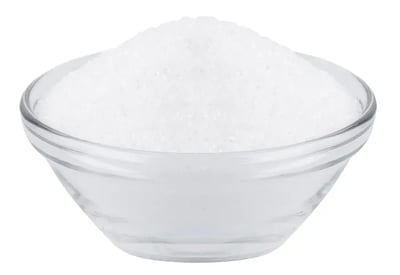
These toxic sweeteners are a rising star in pet poison calls and vet visits. Once only found in dental gum and diabetic candies, xylitol and other artificial sweeteners are now abundant in processed foods in our homes and are used as sugar alternatives in baking.
Feeding your dogs a sugary treat from time to time causes more damage than you might assume and could affect them in the long run.
Products such as gum, candies, children's medicines, cough drops, baked goods, diet foods, ice cream, peanut butter, and even yogurt can contain these artificial sweeteners - and these are just a few.
So what's wrong with artificial sweeteners? While artificial sweeteners are safe for humans (often only producing a mild laxative effect), they can be very toxic for dogs. Xylitol and other artificial sweeteners can cause low blood sugar (hypoglycemia), seizures, liver failure, or even death in dogs.
Read your labels carefully, avoid sharing, and keep pantries and trash secure and off-limits to dogs.
7. Fatty, Fried & Fast Foods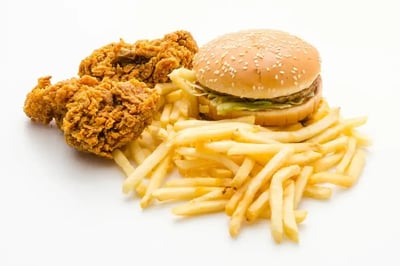
Fast food is not good for us. We know this, but most of us still indulge on occasion. However, fast food is not safe for your dog to snack on. Fast food contains high levels of fat, salt, and sugar, and can even contain hidden artificial sweeteners.
This can mean all sorts of unpleasant side effects for your dog, including gastrointestinal upset, vomiting, diarrhea, constipation, cramping, dehydration, excess urination, seizures, and pancreatitis, to name a few. There are so many healthy dog treats and nutritious whole food alternatives to feed your dog. If you must indulge in fast food, leave your pet out of it.
Also, avoid giving your pet deep-fried foods, high-fat foods such as gravy, and most heavily processed foods (i.e. frozen dinners and entrees, restaurant leftovers, and people snack foods like chips, pretzels, and buttered or flavoured popcorn).
A single fry from time to time is unlikely to cause harm, but if these junk foods are given often, they can start to affect your dog's overall health.
8. Cooked Bones & Bone Hazards
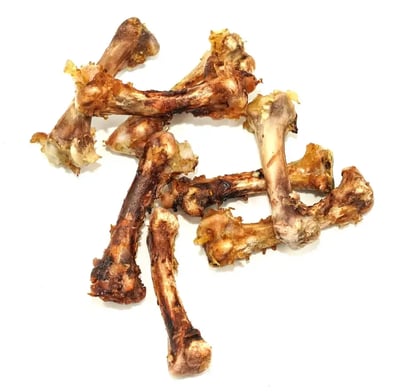
Many dogs will wait patiently for a taste of your turkey or roast dinner, but feeding bones or leftovers with bones to your dog can be dangerous and unhealthy.
Bones, particularly cooked bones and many poultry bones, are a leading factor in intestinal lacerations and choking. Stick to edible, raw bones, or those ground bones in a raw diet, and your pet will be much safer.
It's also important to make sure garbage cans and leftovers are put away in places where a curious pet can't discover them. This can be challenging, especially around the holidays, but it could save you a very expensive trip to the emergency vet on Christmas Day.
A better use of bones is to boil them in water, especially marrow-filled bones, to make your dog some flavourful, dog-safe bone broth.
9. Sugar & Sugary Treats

Many dogs have a sweet tooth just like we do, and while sugar in small quantities is typically fine for you, it can be a problem for your furry friend. Granulated sugar is not toxic to dogs, but over time, feeding your dog sugary treats can result in obesity that can shorten their lifespan and cause multiple secondary diagnoses, including diabetes in the long run.
Avoid giving your dog any types of sugar or sugary human treats, but also check your dog treats for any amount of sugar and its many monikers: caramel, glucose, fructose, brown rice syrup, barley malt syrup, corn syrup, cane juice, beet sugar, sorghum, and more.
10. Mouldy or Spoiled Food
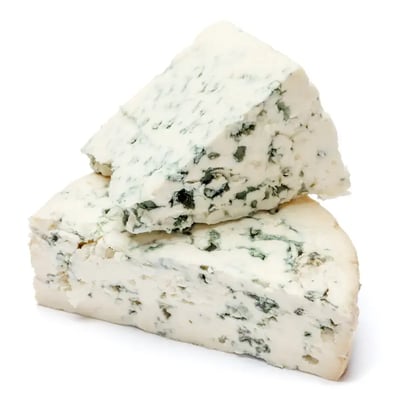
Mould is nature's way of telling us this food is yucky, which is why spoiled, slimy, and mouldy foods generally turn our stomachs. Your dog's taste buds are a little less discerning, so be on the lookout for any foods that are greener than they used to be.
When vegetables go a little soft, your dog won't mind, but if they are creating new life, then it's not safe for your dog to consume. This rule applies to bread products, too.
Some exceptions to the yucky rule (for some people, at least) are things like blue cheese. Not all mould is toxic to humans, but for dogs, it can be. Any type of blue or mouldy cheese can be hazardous for dogs.
Worth watching for the mould you can't see, too: wrinkly nuts like walnuts can hide mould in their crevices. And again, keep garbages/trash secure and out of reach. There's no telling what your dog might find in a bin that's been sitting for days, growing bacteria and attracting pests.
Healthy Dog Treat Options
Feeding your dog a dog treat doesn't have to be rocket science. Avoid these dangerous foods and feed your dog a variety of healthy, less processed, whole food alternatives. This way, you avoid symptoms like vomiting and diarrhea, heart disease, weight gain, and other life-threatening illnesses.
Whole foods such as carrots, apples, broccoli, blueberries, pumpkin, banana, coconut and many more are safe to share with your dog in moderation and are readily available in a variety of dog foods.
While there are some veggies and fruits that your dog should not be eating, there are countless more that provide antioxidants, nutrients, and delicious energy, proving to be good for your dog. Try many and find your dog's favourites (always remove pits and peels; they pose an obstruction risk and can contain toxins).
Dangerous Human Foods for Dogs FAQs
What human foods are dangerous for dogs?
Common dangerous human foods for dogs include chocolate, grapes, raisins, onions, xylitol (a sugar substitute), caffeine, alcohol, certain nuts, and fatty foods like fried items.
Why is chocolate so dangerous for dogs?
Chocolate contains theobromine and caffeine, which are stimulants that can be toxic to dogs. Consumption of chocolate can lead to symptoms like vomiting, diarrhea, rapid breathing, increased heart rate, seizures, and even death.
What should I do if my dog eats something toxic?
If your dog consumes potentially toxic human food, contact your veterinarian or an emergency pet poison hotline. Have the food type, approximate amount, and your dog's weight ready. Don't try to induce vomiting unless a vet or poison control specifically tells you to, since some toxins cause more damage coming back up.
Can a small amount of these foods harm a dog?
Yes, even a small amount of toxic foods can be harmful to dogs, especially things like chocolate, raisins, and macadamia nuts. Toxicity generally scales with body weight, so what's a minor issue for a large dog can be life-threatening for a small one.
Are there variations within these foods that are safer for dogs?
While some variations may be less toxic than others, it's generally best to avoid all forms of these dangerous foods in your dog's diet.
What are some safe and healthy treats I can give my dog instead?
Plenty of safe and healthy dog-friendly treats are available, including commercially made dog treats and fresh fruits and vegetables like carrots, apple slices, or blueberries.
.jpg)