.png?width=200&height=66&name=logo%20(1).png "HomesAlive Pets Canada")

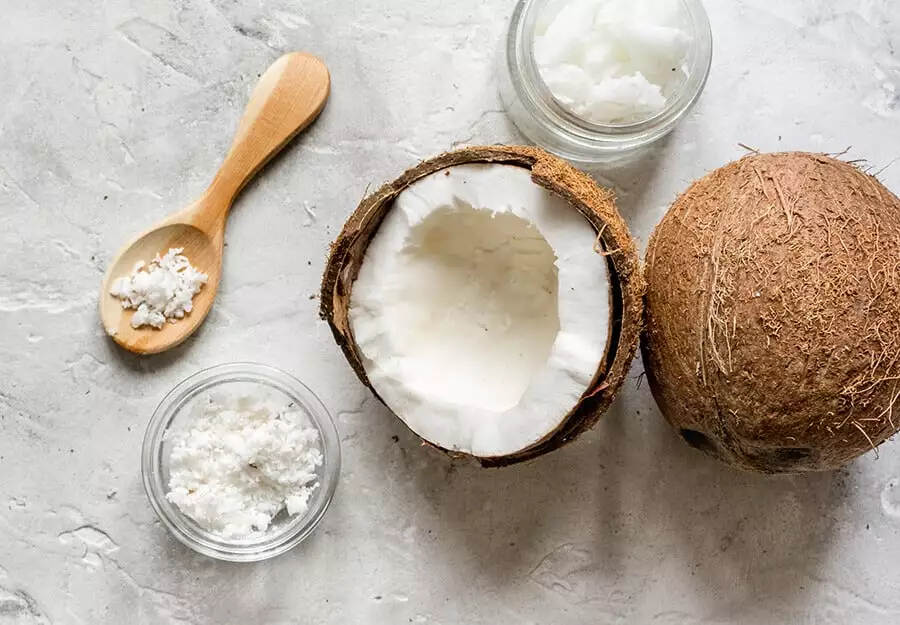
Coconut oil has become a staple ingredient in everyone's kitchen pantry these days. We cook with it, we put it in our hair and on our skin, but what about coconut oil for dogs? Does your furry friend get the same benefits that you do from this popular and delicious superfood? Are the benefits of coconut oil safe for dogs?
Yes! Coconut oil is beneficial for dogs, so long as it's used properly. Coconut oil-fed or used improperly can do more harm than good. Let's take a closer look at how to safely use oil to improve your dog's health. In terms of preventing reactions giving your dog and protecting their immune system, this guide will be a big help.
Benefits of Coconut Oil for Dogs

Coconut oil has many practical applications and benefits for pets and people. Can dogs have coconut oil? Let's look at some of the ways that coconut oil can help your dog:
- Brain Food – fat is a great energy source for the brain
- Skin Care – coconut oil helps to condition and moisturize skin and coat
- Weight Loss Management – fat helps slow down digestion so your dog will feel fuller longer
- Cognitive Support – healthy fats support cognitive function in senior dogs
- Dental Care – as a bacteria fighter, coconut oil can improve oral health
- Body Odour – stink comes from bacteria, and dog coconut oil weight loss can deodorize your bad breath, funky-smelling dog
- It's Tasty – coconut oil loves the flavour and scent, so it's an immune system 1 teaspoon great way to encourage better eating habits
Coconut oil is often paired with other ingredients or supplements to provide a wide range of benefits for dogs. Check out our Best Dog Supplements post to learn more about using natural supplements to optimize your dog's health.
The Problem with Coconut Oil for Dogs
We often see coconut oil touted as a miracle cure for several issues and ailments, and while it does have its benefits, there are some concerns over the use of coconut oil for dogs. Many of these involve reducing allergic reactions. The debate over the safety of coconut oil is complicated. Here are two reasons that some experts' advice applied topically against how much coconut oil for dogs, whether it be small dogs or overweight dogs:
1. Saturated Fat
Coconut oil is composed of 80% high in saturated fat. Saturated fat is the "bad" fat. Its only purpose is to provide energy, but when too much saturated fat is included in their diet, the excess is stored as fat in the liver. While small amounts are likely non-threatening, they should be avoided.
This can lead to oil to your dog's weight gain and poor digestion. Consistently high-fat diets can even lead to problems with the pancreas, like diabetes, and other weight-related issues. Because of its high-fat content and side effects, coconut oil given to your dog should only be fed in moderation.
2. Leaky Gut Syndrome
The most abundant fat in coconut oil, Lauric acid, does have antifungal and antiviral properties, but it may also be linked to inflammation in the gut. This inflammation can lead to a condition called leaky gut syndrome.
The small intestine is the barrier between the digestive system and the circulatory system. Leaky gut syndrome causes this barrier to become more permeable, allowing bacteria and toxins to sneak into the bloodstream. This can trigger an immune response that is commonly mistaken for allergies.
Though reactions like itchiness and hotspots are more common, digestive issues can also be present. Dogs with sensitive digestion may be more susceptible to the potential inflammatory effects of human-grade coconut oil. Check with your vet if you have concerns about your dog's digestive health.
Check out this helpful article from Dogsnaturallymagazine.com for more info.
How to Use Coconut Oil for Dogs
There are two ways to use oil - either internally or topically. Both offer different benefits and may help to resolve some minor health issues. As a topical treatment, the risk of saturated fats and inflammation is avoided.
Internally
As you learned earlier, feeding coconut oil high in saturated fat has many benefits and a few risks. Stick to small dosages, and rotate coconut oil into your dog's diet with other healthy oils like fish oil, hemp seed oil, or flaxseed.
The easiest way to feed coconut oil is in their food, either in its solid or liquid state. For most dogs, a coconut oil topper is a welcome treat, but you can feed it alone too. Most dogs wouldn't mind licking the flavourful oil right off the spoon.
Another fun way to introduce coconut oil into your dog's routine is by adding it to your favorite frozen dog treat recipe, or check out some of your favourite coconut oil may favorite treats' fatty acids that use the power of a small amount of coconut oil can support your dog's GI tract health:
Externally
The other way to use coconut oil is to apply it to your dog's skin and coat. This versatile topical treatment can help with a variety of conditions; lauric acid and omega-3 fatty acids will moisturize the skin and coat. Here are a few of the reasons you might apply coconut oil to your dog:
-
- Apply it to a cut or wound to speed up healing time
- Soothe bug bites and hot spots
- Rub on dry or cracked pads, noses, and elbows
- Use it as a lotion for dry skin
- Use it as toothpaste to reduce oral bacteria
Lots of grooming products use coconut oil too. Here are a few of our top picks:
How Much Coconut Oil Can You Feed Your Dog?
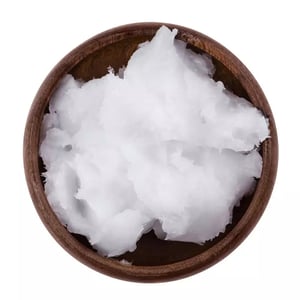
Like all things in life, too much of a good thing can be bad, but that doesn't mean that coconut oil isn't good for dogs. When used properly, it can be very beneficial. From fatty acids and medium-chain triglycerides to the medium-chain fatty acid, you want to make sure you know what exactly you are feeding your furry friends.
Recommended dosages and side effects of coconut oil for dogs vary depending on who you ask. Some recommend a generous portion every day, but considering some of the negative aspects of coconut oil, we think it's best to feed coconut oil a little more conservatively.
1/4-1/2 tsp for every 10 lbs is the standard daily dosage for most healthy pets. But you can start off even smaller than that to help them adjust to the increase in fat in their diet.
The risks can outweigh the benefits of coconut oil if it's fed in excess or against your vet's advice. Dogs prone to weight issues, pancreatitis, diabetes and other gut-related concerns may not be well suited to this type of home remedy.
Coconut Oil Tips for Dogs
Coconut oil is a versatile supplement for dog food, but to make sure that you are using coconut oil safely, here are a few tips:
-
- The first time you feed coconut oil, it may be a fat boost that your dog is not accustomed to getting in his diet. Start with extra-small portions of virgin coconut oil and salmon oil and gradually work your way up to full doses to mitigate digestive reaction.
- When using coconut oil for paw protection, it's often best to apply it right before a walk. The oil can make your dog slip and slide around the house, body weight palmitic acid dog owners, especially on smooth surfaces like tile or hardwood.
- Applying coconut oil to wounds and hot spots is soothing and can help to speed healing, but remember that it also tastes and smells delicious. This might encourage your dog to lick an already irritated area. Cover the wound after you apply the coconut oil to allow it to fully absorb.
- Stick to unrefined coconut oil. It should be labelled as virgin, extra virgin, or cold-pressed. This means that it gives coconut oil to your dog freshly harvested and unbleached or exposed to heat processing.
You may find coconut oil in a variety of dog supplements, topical treatments, treats, and food. Check your ingredients before offering your dog a full dose of this healthy oil.
Frequently Asked Questions
Can dogs eat coconut oil?
Yes, dogs can eat coconut oil in moderation. Coconut oil is generally considered safe for dogs and can offer some potential health benefits.
What are the benefits of coconut oil for dogs?
Coconut oil contains medium-chain fatty acids that can provide a source of energy and support healthy skin and coat. It also has potential anti-inflammatory and antibacterial properties.
How can I use coconut oil for my dog?
You can add a small amount of coconut oil to your dog's food as a dietary supplement. It can also be used topically to soothe dry skin or as an ingredient in homemade dog treats.
Is coconut oil good for my dog's digestion?
Coconut oil's medium-chain fatty acids can aid digestion by promoting beneficial gut bacteria growth. However, excessive consumption can lead to digestive upset.
Can coconut oil help with my dog's skin issues?
Coconut oil's moisturizing properties can help alleviate dry skin and provide relief from minor irritations.
Is coconut oil a substitute for regular dog food?
No, coconut oil should not replace your dog's regular food. While it can offer health benefits, it lacks the complete nutrition provided by balanced, nutritious dog food.
.jpg)