.png?width=200&height=66&name=logo%20(1).png "HomesAlive Pets Canada")

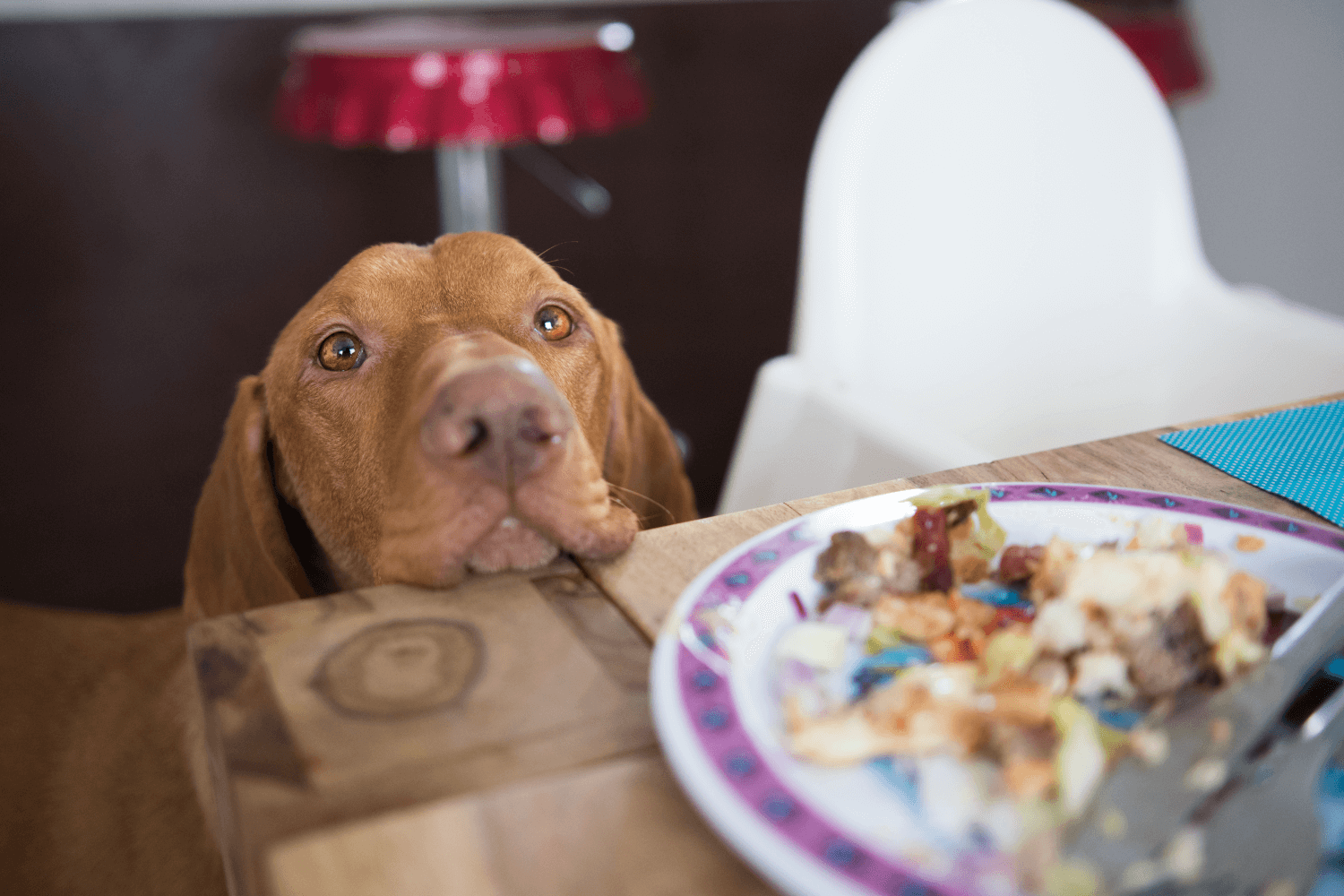
Are table scraps really that bad for dogs? Learn which human foods dogs can eat safely and get tips on how much, how often, and the best ways to offer them to your begging pooch.It's hard to say no to those desperate puppy dog eyes when they are eyeing some of your snacks. It's a common belief that "table scraps" are bad for dogs, and while it's certainly true that many of our processed, salty, and seasoned snacks are not safe to feed, there are plenty of human foods that are not only safe but can actually be good for dogs.
In this post, we will cover many of the most common and healthiest human foods that can be added to meals or fed as quick snacks. From vegetables and fruits to meat and eggs, there are plenty of dog-safe foods that can add to your dog's diet and satisfy the snack tax that we all get guilted into paying.
Human Foods That Are Dangerous for Dogs
Before we dive into the best human foods for dogs, it's important to know which of our favourite snacks could be dangerous. Some foods are toxic, even in small quantities, while others may have parts that can lead to injury. The best practice is to skip these foods altogether and stick to options that don't carry the same risk.
The well-known no-nos like chocolate and grapes are on the toxic list, meaning that they contain substances that can harm your pet. But there are more toxic foods you should know about before you start sharing anything off your plate with your pooch.
Toxic to dogs:
- Chocolate
- Alcohol
- Onions
- Xylitol
- Macadamia Nuts
Even those that aren't toxic can still be dangerous. If they can damage teeth, are a choking risk, or can lead to injury or blockages, then they should be avoided too.
Can cause injury:
- Cooked Bones
- Fruit Pits or Stones
- Corn Cobs
Learn more about dangerous human foods for dogs and some alternatives that you can stick to instead.
What Fruits & Vegetables Can Dogs Eat?
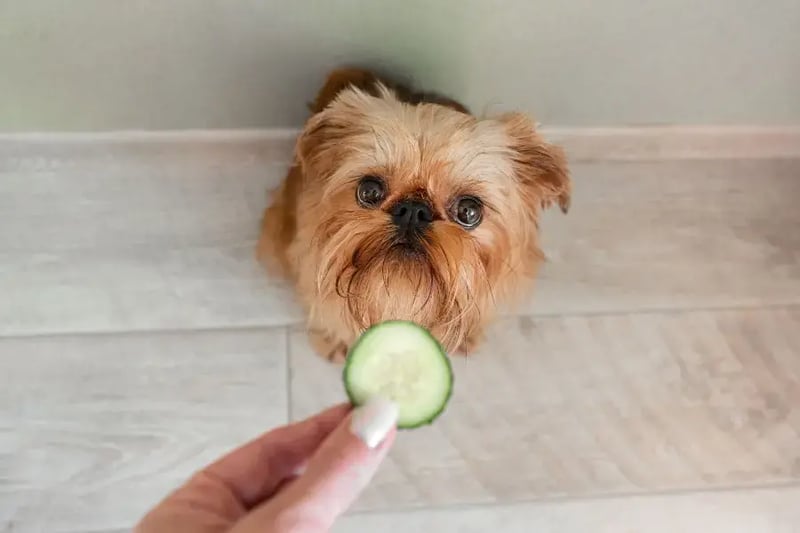
When you are looking for dog-safe, human foods, a lot of what's in your crisper is likely fair game. A few slices of carrot, a handful of blueberries, some steamed broccoli, or a spoonful of plain pumpkin are all tasty and nutritious options to use as treats or meal toppers.
But keep in mind that not all of your favourite produce is dog-safe, and even the ones that are may have parts that you should skip. For most dog-safe produce, the flesh of the food is generally the safe part, while things like stems, leaves, pits, and some seeds should be avoided.
Some of these are toxic, while others may cause physical damage. Things like corn cobs can be a choking hazard, and if your dog swallows large chunks, it could lead to an intestinal blockage.
Ripeness is also a factor for some foods. Things like a nice, juicy red tomato are a healthy choice for dogs, but unripe, green tomatoes are not. This applies to all nightshade vegetables, like eggplant, potatoes, and peppers, as they can contain glycoalkaloids, like solanine, that can be toxic to dogs. Once ripened, these compounds are broken down by enzymes, making them safe to consume.
Preparation is also key. Some vegetables, like potatoes, need to be cooked to break down indigestible starches.
If your goal is to boost nutrition and enhance their diet, fruits and vegetables are easier to digest when cooked or blended. This breaks down the cellulose cell walls of plants, allowing your dog to break down and absorb nutrients more effectively.
That's exactly the detail we've mapped out, food by food, in two dedicated guides:
Top 10 Safe Vegetables for Dogs → Read More
Top 10 Fruits Safe for Dogs → Read More
Can Dogs Eat Dairy?

Dairy is a mixed bag, and the honest answer is "it depends on your dog." Puppies produce plenty of lactase (the enzyme that breaks down lactose) during the weaning stage, but as they age and move onto solid foods, the production of lactase drops off. Without the enzyme, digesting lactose in dairy products is hard.
This is the basis behind the belief that dogs are lactose intolerant. The ability to digest lactose varies dog to dog, which is why some dogs can handle dairy, while others will show signs of digestive issues even with small portions.
Dairy products like milk and cheese are usually made from cow's milk, which is why lactose concerns are common. Alternative milks like goat's milk can be a safer option, even for dogs that are sensitive, because goat's milk contains less lactose and is easier to break down.
Learn more about how dogs handle dairy products:
Benefits of Goat's Milk for Dogs → Read More
Can Dogs Eat Yogurt?
Plain, unsweetened yogurt is usually the easiest entry point for introducing any dairy products into your dog's routine. It's widely considered to be a digestive aid because the fermentation breaks down some of the lactose, and the live cultures are a nice bonus for digestion.
Avoid flavoured or sweetened options, as they can contain ingredients like xylitol that is toxic for dogs. Yogurt can be added directly to meals, but it also makes a great base for lick mats. Dogs love the taste, and it's easy to mix in supplements that may not be as tasty on their own.
Yogurt is a common ingredient in some types of dog treats. Big Country Raw Frozen Goat Yogurt is a popular dog-safe ice cream treat that pairs probiotics in a rich, creamy snack. This is a fun way to share the joy of a cool sweet treat with your dog without actually sharing your own ice cream.
Can Dogs Eat Cheese?
Be honest, you've paid the cheese tax before. The occasional morsel of cheese is something no dog would turn down, and in small and occasional portions, it's fine for most dogs.
Cheese works well as an occasional high-value training treat, but it's dense in fat and calories, so a small cube goes further than you'd think. Dogs with sensitive stomachs or known lactose sensitivity might do better skipping it altogether.
If your dog is sensitive to dairy or you just aren't sure how they'll react, try something made for dogs, like Happy Days Raw Goat Cheese treats. Each cube is lactose-free and packed with gut-friendly probiotics.
These cheeses should always be avoided for dogs:
-
- Processed cheeses: Cheese slices and spray cheese often carry artificial colours, preservatives, and a lot of salt, making them a poor choice.
- Hard, salty cheeses: Parmesan and similar cheeses are also heavy on sodium and worth avoiding.
- Moulded cheeses: Blue cheese, like Gorgonzola, contains compounds dogs tend to be extra sensitive to, which can mean gas, vomiting, or diarrhea. These stay on the never-ever list.
Can Dogs Eat Meat & Eggs?

Meat is the backbone of a dog's diet for a reason. It builds lean muscle, fuels long-term energy, and delivers a complete set of essential amino acids. But "meat" on your dinner plate and "meat" in your dog's bowl aren't quite the same thing, so a few adjustments go a long way.
Stick to lean, unseasoned, deboned cuts, like chicken or beef, cooked and cooled before you cut it into bite-sized pieces. Freeze a batch for easy snacks, or mix smaller pieces right into their food.
Stick to proteins your dog is accustomed to already. New proteins and ingredients should be introduced slowly and in small portions to test reactions.
A few things worth knowing about why:
-
- Fat: The trim off your steak might look like the perfect scrap for a begging dog, but too much can upset digestion, and a consistently fatty diet raises more serious concerns down the line. Offer it sparingly, or skip it if your dog already has a sensitive stomach.
- Seasoning: Cooking oil, spices, and marinades are common culprits behind acid reflux and diarrhea, so plain is the way to go, even for meat marinated before cooking.
- Bones: Cooked bones can splinter, so anything bone-in is off the table. No chicken wings, no T-bones.
- Processed & Cured Meats: Lunch meat, hot dogs, ham, bacon, and sausage are a pass. They're typically loaded with salt, fat, and seasoning, and the preservatives are hard on kidney health over time.
Can Dogs Eat Eggs?
Eggs are kind of meat-adjacent, but can be a great option for boosting nutrition. Like meat, eggs are a complete protein offering all the essential amino acids dogs need to thrive, but are also one of the most highly digestible proteins.
Adding eggs to your dog's meals can top up their protein intake and offer a source of healthy fats. While chicken eggs are the most common, duck and quail eggs are also options you may find at your local pet store.
Learn more about the benefits of eggs, cooked and raw:
Can Dogs Eat Raw Eggs? → Read More
Can Dogs Eat Seafood?
Seafood is another tasty option when fed in moderation. Fish like salmon, char, and trout bring omega-3s that support skin and coat health.
Skins can be a very easy and nutritious table scrap that dogs love. An easy dog-safe recipe is to slice the skin into strips and air fry them to make crunchy, flavourful "dog chips." Just make sure you skip oil and spices.
Shellfish and bivalves work too, in small, infrequent portions, as long as they're deshelled and properly prepared. Shrimp, mussel, and crab shells are sharp and difficult to digest, and can cause injury.
Is Raw Meat or Fish Safe for Dogs?
Raw meat is a bigger commitment. Some owners feed raw as part of a full diet, so offering scraps of raw meat during the preparation stage may be fine, but it's important to consider all safe food handling practices, like keeping the meat at safe temperatures.
Things like raw fish can have parasites if not properly frozen and stored, so be aware of the risks of raw ingredients before offering. When in doubt, boil or bake them.
If raw feeding interests you, our raw feeding guide → Read More
Can Dogs Eat Nuts & Seeds?
Nuts and seeds might not be the first snack you think of sharing with your dog, but there are several common nuts and seeds that are safe and nutritious for dogs. They are nutrient-dense, high in fibre, and a good source of healthy fats for skin health. They're not an everyday treat, but they make a great addition to a homemade meal topper.
Nuts and seeds are generally high in fat, and while they offer plenty of healthy fats, too much of even a good thing can be bad. This is why nuts and seeds should be offered in very small portions, both as treats and as part of your dog's diet.
If you're using them for more than an occasional snack, it's worth knowing nuts and seeds contain anti-nutrients like phytic acid that can limit how much of their nutritional value your dog actually absorbs. Soaking, draining, and drying them before grinding or crushing helps neutralize that, on top of making an easy sprinkle-on topper.
What Nuts Can Dogs Eat?
Peanuts, almonds, and cashews are safe for dogs, but stick to only those that are unsalted and plain. Candied nuts, chocolate-covered almonds, and flavoured peanuts may be tasty, but aren't a good trade for your dog, even if they smell just as tempting.
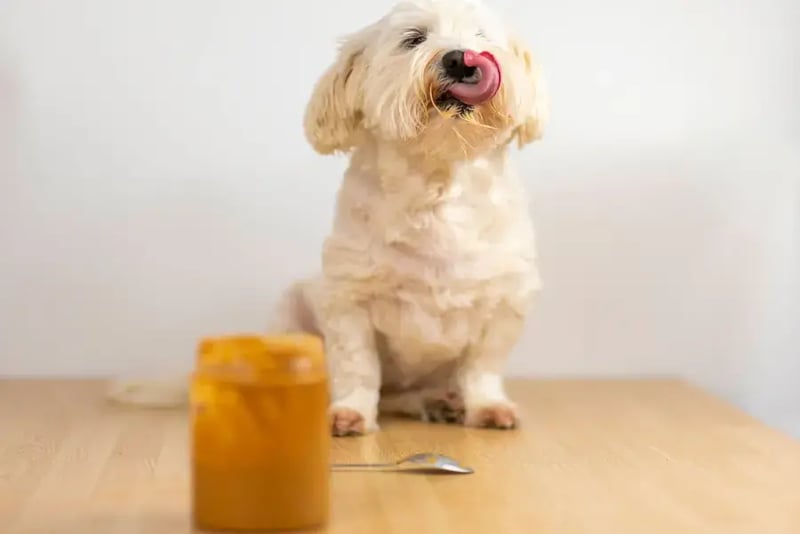
Peanut butter is an easy win too. It's a dog-friendly treat, a handy way to hide medication, or a useful ingredient in homemade dog treats. Stick to natural peanut butter, and check the label for ingredients like xylitol before offering any; it shows up in "lite" and sweetened versions more than you'd expect.
Dog-safe peanut butters, like Hero Peanut Butter, are an easy option that takes the guesswork out of navigating the human peanut butter aisle. With only two ingredients, you can be sure there is nothing potentially harmful to worry about.
A few nuts don't belong anywhere near the bowl. Macadamia nuts, pecans, black walnuts, and pistachios are all on our full list of dangerous human foods for dogs, so skip them entirely.
Shells are a hazard across the board, even for the safe nuts. They're hard to digest and can splinter into sharp pieces, so nothing should be offered in its shell. Whole nuts can also be a choking risk for smaller dogs, so smaller or crushed pieces are the safer bet.
What Seeds Can Dogs Eat?
Seeds get a similar green light, with some of the most nutritious being pumpkin, chia, flax, and sunflower seeds. They offer a surprising amount of beneficial fibre and plenty of healthy omega fatty acids.
Flax, for example, is a common ingredient in omega-3 supplements, as its oils help to nourish the skin barrier and can support common skin issues like dandruff and dry skin.
Other seeds like pumpkin seeds are packed with minerals and vitamins, like magnesium, which plays a key role in muscle health and nerve function, making them a superfood for senior dogs and dogs recovering from injury.
Chia and flax seeds also have a tough outer coat that can pass through a dog's digestive system fully intact. Grinding them, or soaking until they swell and soften, breaks that open so your dog can actually access what's inside.
There are some seeds to avoid too. Many fruit seeds and poppy seeds can contain toxins and harmful compounds. See our dangerous human foods for dogs post for more details.
Are Grains Good for Dogs?
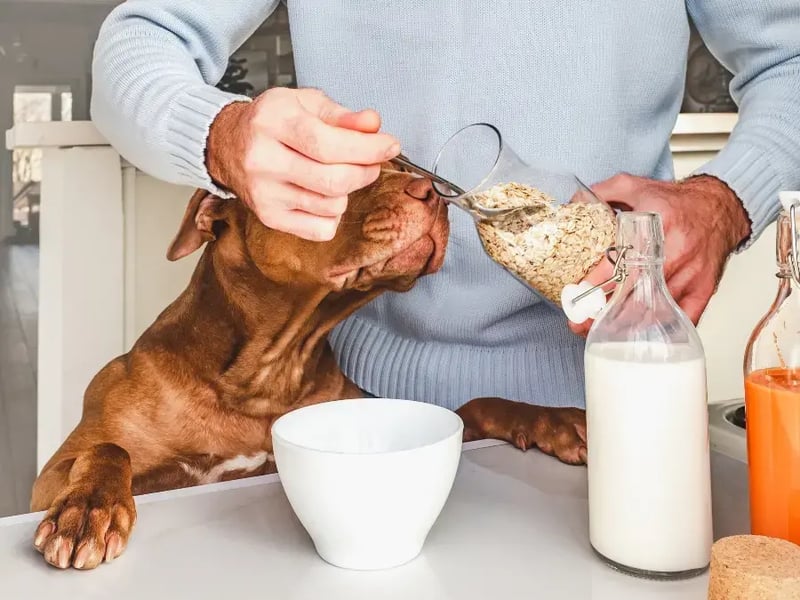
Plain grains, like rice or oats, are an easy, low-risk addition to your dog's bowl and are usually a safe table scrap you can share. Cooked, whole grains are gentle on digestion, which is why plain, cooked white rice paired with a lean protein like boiled chicken is the classic bland-diet combo a lot of vets recommend for a few days after an upset stomach.
Many whole and fibre-rich grains are used in commercial dog foods, offering energy, vitamins and minerals, fatty acids, and dietary fibre. As part of a well-balanced diet, grains are typically nutritious for dogs in moderation.
When it comes to table scraps and treats, grains should be a little more limited, especially if your dog is already getting their fibre and nutrients from the meals.
Different grains offer different benefits too. Cooked plain oatmeal (no sugar, no flavoured packets, no raisins mixed in), white rice, and barley can be nutritious meal toppers, while heavily processed grains as you'd find in pasta or breads may be more of a fun empty calorie.
As long as they are cooked and plain, a little nibble while you are cooking for you and your dog is fine for most, but keep these types of grainy snacks to a minimum.
Balancing Human Foods in Your Dog's Diet
Moderation is key for feeding human foods and table scraps to your dog. A little goes a long way, so make sure you are being stingy with portions and frequency to keep their full diet well balanced.
Dogs need a complete and balanced diet, incorporating all their essential nutrients like vitamins, minerals, amino acids, etc.
A diet heavily supplemented with human foods and table scraps, even one with the best of intentions, can lead to a poorly balanced diet.
The 10% rule we use for adding treats can also include people foods. This means all dog treats, human foods, table scraps, chews, etc. should make up no more than 10% of your dog's daily diet.
This helps ensure they are getting the majority of their nutrition from a full and balanced meal, and the extras will neither take away from, or over supplement any of their key nutrients.
Human Food for Dogs FAQS
What human food is good for dogs?
Plain cooked meat, most fruits and vegetables, eggs, plain dairy in small amounts, rice, and oats are all generally safe for dogs. Stick to plain, unseasoned preparations, feed in moderation, and avoid anything on the dangerous list, like chocolate, grapes, or onions.
What human foods are dangerous for dogs?
Chocolate, alcohol, grapes and raisins, onions, xylitol, macadamia nuts, pecans, pistachios, poppy seeds, cooked bones, and yeast dough are all dangerous for dogs. See our full guide to dangerous human foods for dogs for symptoms and what to do if your dog eats one.
Is it bad to feed table scraps to dogs?
Not when done properly, but it does have the potential to be unhealthy. Stick to dog-safe foods and feed in moderation with a complete and balanced diet. Skip toxic, salty, greasy, and heavily processed foods.
Can dogs eat human foods every day?
Daily human food isn't necessary, but a few things can become a regular part of your dog's routine when they're a deliberate part of a balanced diet, not just extras. Meals can be paired with fresh veggies, yogurt can be a gut-friendly meal topper, and whole grains can help balance fibre. Just make sure the human snacks you offer never take away from their diet and that they are properly cooked, portioned, and prepared.
.jpg)