.png?width=200&height=66&name=logo%20(1).png "HomesAlive Pets Canada")

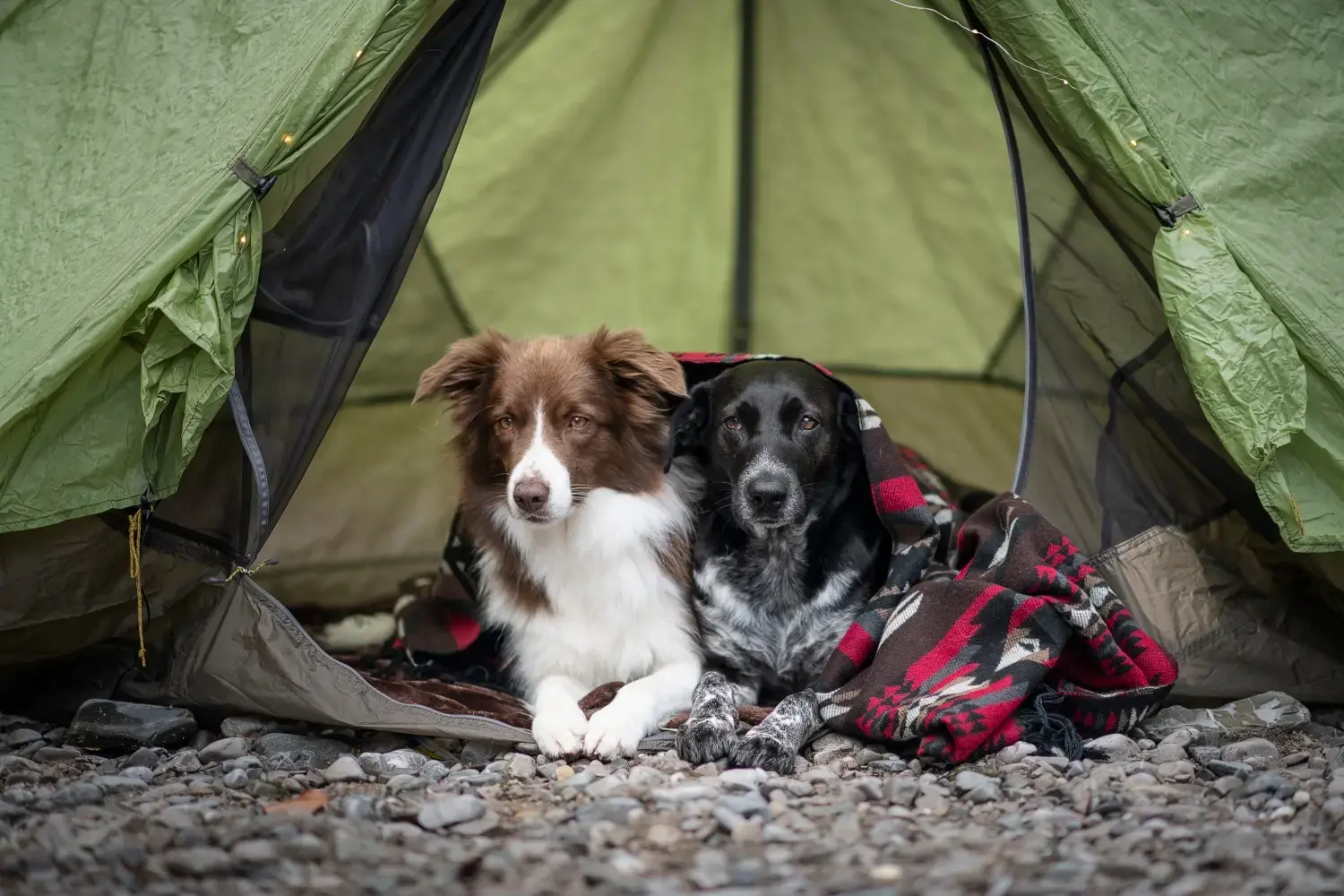
If your dog is your favourite adventure companion, you're in the right place. Whether you're a seasoned outdoorsman or a fly-by-the-seat-of-your-pants adventurer, bringing your dog along takes some planning. This guide covers what to bring, what to expect, and where to find the best dog-friendly camping spots and hiking trails across Canada.
As a dog owner, you want your canine companion to stay safe and enjoy the outdoor adventure on any backpacking trip.
To help you keep your dog safe and leave no trace so both of you can enjoy the great outdoors safely and responsibly, we've put together this guide to everything you need to know about hiking and camping with your dog.
Benefits of Camping with Dogs
Camping is way more fun when it's furry, that is, if you bring your dog along! Most dogs love an outdoor adventure even more than we do, so next time you want to connect with nature for the weekend, consider letting your pooch tag along.
For you, a relaxing camping adventure is a wonderful escape from your daily routine. It is all about spending time out in nature to decompress, enjoy the fresh air, and unwind by a campfire.
For your dog, however, a camping outing is the opportunity to experience new and exciting sights, smells, and sounds!
Here are some of the top benefits of camping with dogs:
-
- Physical Exercise - Car camping is more than just campfires and s'mores. Being out in nature provides ample opportunity for physical activity. Hiking and swimming are both great exercises for dogs.
- Mental Exercise - In addition to providing access to tons of physical activity, the change of environment will provide cognitive enrichment for your dog.
- Budget-Friendly - There aren't a lot of pet-friendly vacations that won't cost you an arm and a leg. Car camping is a great and budget-sensitive getaway for you and your favourite furball.
- Bonding Experience - Sometimes, one of the best ways to strengthen your relationship with your pet is to have some quality one-on-one time.
- Watch Dog - Your dog is just as protective of you as you are of them. Having an extra set of eyes and ears when you are out in the wilderness can help you stay safe.
Should You Take Your Dog Camping?
Benefits aside, before you hit the trails, it's important to consider if camping is the right activity for your dog. Dog-friendly camping trips can be a ton of fun and adventure, but some dogs just aren't up for such an exciting trip. Your dog's physical health, age, and energy levels need to match your planned camping activities.
Additionally, camping can be an overwhelming experience for newbies, so consider your dog's personality and training to determine if this is an appropriate activity for them.
With the right training and appropriate planning, just about any dog could be a camping companion, but it's important to consider all the risks before you head out. Safety should always be your #1 priority for both you and your dog.
To make sure your dog is going to enjoy a camping adventure, take a minute to assess the risks and make sure you are properly prepared to accommodate your pet.
Here are a few types of dogs that may not be suited for camping or at least may need to have modified activities and accommodations available to keep them safe:
-
- Young Puppies
- Dogs with Physical Limitations
- Stressed Out Dogs
- Territorial Dogs
- Dogs That Can't Handle the Weather
Camping with a Puppy
Camping with a puppy or an inexperienced dog may require a little extra security and routine. Keeping them close by and using each activity as a teaching moment will help them learn how to behave and reduce fearful or overwhelmed reactions.
Puppies may not be ready for long hikes or multi-day camping trips, especially if they lack stamina, training, or vaccinations. Older puppies (8–12 months) might handle short adventures, but it’s best to start small and build experience.
Before heading out, make sure your pup responds well to commands, has a reliable recall, and is comfortable with outdoor gear.
Camping with a Senior Dog
Keep camping trips with older dogs more relaxed and focus on comfort. Lighter activities, proper shelter from the elements and easier terrain are all key to making your trip old dog-friendly.
Older or health-compromised dogs may struggle with intense activity like hiking, and it's important not to let them overexert themselves. Plan for more frequent rests and activities around the campsite to keep them entertained and safe.
Bring all medications and first aid supplies, and plan for easier hikes or relaxing alternatives. Carriers, lifting harnesses, and cozy campsite setups can help your dog rest and recover between activities.
Camping with an Anxious Dog
For anxious dogs, camping can be overwhelming rather than fun, but you can take steps to make your campsite and your activities more relaxed. Routine, mental stimulation, and comfort are important to encourage calm behaviours.
Stressed dogs are more likely to panic, get lost, or become injured in unfamiliar environments, so make sure your dog and your campsite are secure, and take the time to let your dog acclimate when you first arrive.
Calming tools like ThunderShirts may help, but routine and gradual exposure are key. Always have a backup plan in case your dog isn't coping well.
Camping with an Aggressive Dog
If your dog is generally reactive, easily set off by strangers or wildlife, or is territorial, then camping can be a struggle. You may need to bring more supplies to keep them safe, like durable tie-outs, exercise pens, and plenty of toys and games to distract them or redirect behaviours.
Dogs with strong prey drives may find the sounds, smells, and sights of the wilderness too stimulating and may try to get loose to chase or hunt something they perceive as a threat. Even well-behaved dogs can bolt after wildlife or get into trouble without consistent recall and secure gear.
Be especially cautious on trails or campsites known for bear or mountain lion activity. It may not seem like a fair fight to you, but dogs act on instinct, especially if they feel they are protecting themselves or you.
Camping with Dogs That Overheat Easily
Hot or humid weather can be dangerous for breeds with short snouts or thick coats. This means shade, hydration, and proper cooling gear can be life or death.
Dogs like bulldogs or huskies are prone to overheating, sunburn, and heatstroke. Cooler-weather camping, shaded sites, or glamping-style trips might be safer, especially for heat-sensitive pups.

Camping in Bear Country
Camping with dogs in bear country has much greater risks, and it might not always be the best idea to bring your dog with you, especially if they are inexperienced hikers or campers. If you're planning a trip to bear country (aka many parts of Canada), there are some important safety considerations beyond the usual camping prep:
-
- Research recent bear activity in the area before you go.
- Know how to use your bear spray before you need it.
- Avoid hiking at dawn or dusk when bears are most active.
- Stick to marked trails and watch for signs of recent activity, like tracks, droppings, dug-up logs, or overturned rocks.
- Most importantly, keep your dog on a leash. Even dogs with excellent recall can trigger a wildlife encounter.
Preventing bear encounters is the best way to keep you and your dog safe. Get a bear bell for your dog, so that bears and other wildlife can hear your dog coming and have the opportunity to retreat.
For detailed guidance on bear safety in Canadian parks, visit Parks Canada's bear safety resources.
How to Prepare for Camping with Dogs
The best way to ensure your dog-friendly adventure is both fun and safe is to get all your ducks in a row before you go. Collecting the best tools and gear, planning your adventures and schedule, and doing some pre-camping practice can all help make your camping adventures a success.
Here are a few pre-camping steps you should take:
-
- Schedule a Veterinary Wellness Check Up
- Research Your Campsite and Hiking Trails
- Take Pictures of Your Dog
- Plan Your Trip Itinerary
- Practice Camping
- Choose the Best Camping Experience
Veterinary Check Up
Make sure your dog is in good health and caught up on relevant vaccines to prepare for your trip. A quick wellness check-up with your vet can help you verify that your dog is in good health and capable of participating in your camping activities safely.
You can also take this opportunity to talk to your vet about any concerns that you might have about keeping your dog safe in nature, such as pest control, sun protection, and dietary and hydration needs. The more you know, the better.
Don't forget to make sure the required licenses or vaccination records are up to date. They may be required by the province or state park that you are visiting.
Know The Rules
Before booking a campsite, it's important to read through any rules related to pets. Even places that are dog-friendly will still have rules you must follow to ensure the safety of both you and your pet, and other campers and animals at the location. Pet fees, leash rules, and pet-free areas are just a few of the rules you should be familiar with.
Take a Recent Pet Photo
Even if you do everything right, it's still possible for your dog to get lost while out in the wild. A recent photo of your dog just before the trip is a good way to make sure your dog is easily recognizable by others when searching.
Up-to-date photos are helpful for putting up fliers and for asking fellow campers and hikers to keep an eye out for them.
Basic Adventure Itinerary
Some elements of camping are meant to be spontaneous, but a little bit of planning can help keep some semblance of routine for your dog. Planning times for hikes and other activities, scheduling meal times, and even keeping to a strict bedtime routine can help keep your dog calm and engaged.
Maps of trails and navigational tools are also great to get together in advance. This will help you get back to your campsite, back to your vehicle, or back to civilization safely.
Research the area and make sure you know the potential risks, like incoming weather, wildlife concerns, and difficult terrain. Knowing the risks will help ensure you can plan safe activities, set up a secure campsite, and have an exit plan in case of emergency.
Practice Camping
This one might feel a little silly, but if your dog is brand new to camping, hiking, and any adventures outside of your neighbourhood or local pet store, then doing a couple of practice camping adventures in your backyard is a good way to test your dog's reactions to sleeping outside, sleeping in a tent, using tie-outs, campfires, and possibly interacting with wildlife.
All of these things may be new experiences for your dog and could elicit a fight-or-flight response if your dog is not prepared. Treats, toys, and neck scratches can all be excellent ways to reward good and calm behaviours during these tests and help your dog associate camping and camping gear with the joy of a tasty or fun reward.
Pick Your Camping Gear with Your Dog in Mind
The gear you might pack for yourself when camping might not be the most suitable choice when you are taking your dog along. You are likely sharing your tent with them, so make sure you choose one with a little extra space.
You might also want to invest in some durable bedding or covers for things like air mattresses so that your dog can use them without damaging them.
Food storage should also be kept in mind when packing. If your dog is a food-aholic, a simple cooler or backpack may not be the impenetrable food fortress you think it is. You may need to pack your (and their) food more securely to prevent your curious pooch from eating all your hot dogs and s'mores.
Dog Food for Camping
Feeding your dog on a camping trip takes a bit more thought than a regular day at home. Activity levels, food storage, and access to fresh water all affect how you should approach your dog's nutrition on the trail.
How much to feed: Plan to feed a little more than normal if your camping trip will be filled with activities, like hiking or swimming. Active camping days burn significantly more calories than a typical day at home, so plan to increase your dog's daily portion by 10–15%, depending on the intensity.
If you aren't sure what your activities will look like, it's a good practice to bring more food than you think you'll need. You are better off having a little extra than not enough.
This isn't the case for dogs that will spend much of their time sitting around a campfire, though, so don't overfeed unnecessarily. Also, keep in mind treats and chews that are offered into the calorie count for the day.
Food types: As mentioned earlier, calorie and nutrient-dense food types are recommended for camping. Lightweight formulas like freeze-dried and dehydrated are easy to pack and can easily be rehydrated for a moisture-rich meal.
Don't make drastic diet changes for camping if you don't have to. If your dog is accustomed to kibble, then stick to kibble. You can use freeze-dried toppers on any meal to boost nutrition.
If your dog is used to raw food at home, freeze-dried raw is the closest camping equivalent without the handling and refrigeration challenges of fresh raw.
Portioning and storage: Pre-portion your dog's meals into individual resealable bags or containers before you leave home. This simplifies feeding, reduces waste, and means you're not measuring out kibble at the campsite in the dark.
Whatever you pack food in, make sure it's airtight, both for freshness and to avoid attracting wildlife to your campsite. Follow recommended food storage rules for areas with bear activity. This keeps the food and everyone at your campsite safer.
Water: Always bring more clean water than you think you'll need for both you and your dog. Never let your dog drink from lakes, rivers, ponds, or standing water. These sources can carry bacteria and parasites that cause serious illness. If you're on a backcountry trip where carrying enough water isn't practical, invest in a portable water filter rated for pet use.
Choose the Right Type of Camping for Your Dog
When most of us think about camping, we picture a tent, but that's not always the easiest or safest way to camp with dogs. RV camping, car camping, or even some luxurious glamping could be a better fit for you and your pooch. It all depends on what you think your dog can handle.
Dog Tent Camping
Dog tent camping is often the most affordable and may be the only option if you are planning to do some backcountry camping or multi-day hikes with your dog. Being able to carry your and your dog's shelter with you makes it easy to set up camp just about anywhere along your journey.
Though tent camping may seem like the simplest option, you need to consider how secure a tent is, and how you can best keep your dog protected from weather and wildlife.
Car Camping with Dogs
Car camping is another great option for pets, especially if you want the safety and security of your vehicle. Whether you plan to set up a tent in the bed of a truck or actually sleep in your car, this option may be more appealing if you aren't sure that a tent will contain an excitable dog.
This option will usually offer the same type of campsite activities, but offer a potentially more comfortable sleeping experience.
RV Camping with Dogs
Renting a cabin, sleeping in an RV or other more glamorous types of camping are better suited to people and pets who want to enjoy nature, but are more comfortable with a modified and modern version of it.
These options are well-suited to dogs that need more protection from extreme weather, those who may not be able to participate in your hikes and other adventures, and dogs that are easily overstimulated by new experiences.
Tips for Hiking and Camping with Your Dog
Before you head off on your next adventure, it's important to remember some basic adventure dog etiquette and safety tips. Bringing your dog along requires a bit of extra preparation to ensure you both have the best experience.
As adventure-loving pet parents ourselves, we've come to learn A LOT about the dos and don'ts of hiking and camping with dogs.
These tips for hiking and camping with dogs will help you plan your trip and ensure you and your pet stay safe. Have fun when camping with your dog!
Stock Up on Supplies
Before you hit the trails, it's important to make sure you pack the right gear to keep your dog safe, secured, and entertained. Start with the basics, like food, bowls, walking accessories, and beds. These are the foundation of your dog's routine and safety.
Beyond the obvious inclusions, you need to be prepared for all possibilities according to the environment you are taking your dog to. This means packing gear to handle changing weather, potential wildlife encounters, and even some basic first aid supplies to handle minor injuries or bug bites.
Practice Good Recall
Keeping your dog on leash, a tie-out, or a zip line is always going to be the safest practice when out in the wilderness, but just in case your dog gets free, it's important that they know to come back when called.
Practice at home, in the yard, or at dog parks if your dog is accustomed to them. Make sure your dog responds appropriately even from a distance, when excited, or with a variety of distractions.
Being able to call your dog back to you can make a difference in a potentially dangerous situation and help both you and your dog feel more at ease.
Get the Lay of the Land
This tip is more for camping with dogs than hiking. As soon as you get to the campsite, try to mark a perimeter and walk your dog around the border on a leash, letting him sniff and have a bonding experience with the area.
Giving him a boundary can offer comfort and help your dog feel safer in his “territory.” You can even use visual cues, like flags or coloured strings, to mark the boundary.
Provide Appropriate Shelter
One of the first things you do when getting to a campsite or a resting spot is to set up your tent or shelter. Be prepared to share that space with your dog! It's unsafe to leave your dog outside of the tent at night, so scooch over, don't hog the sleeping bag, or get him his own.
Space provided, you can also pack their regular dog bed. This familiar object and scent can help them feel more at ease in these new surroundings.
Shelter also includes a space to escape the sun, heat, rain, or other weather you may encounter. This could mean an umbrella, a shaded canopy, or a cooling mat.
Stay Hydrated
Wilderness survival rule # 1 is to have fresh, clean water. This applies to your dog, too. Hot summer days, hiking, and other adventurous activities are going to leave your dog feeling parched. Always bring more water than you need.
Ensure you know how much water your dog needs daily to stay healthy and hydrated. Avoid letting your dog drink from puddles, lakes and other bodies of water. These sources could be contaminated with bacteria. Fresh, clean, bottled water is always better.
Stick to a Routine
This may be a vacation, but if this is your dog's first camping trip, he might be a little nervous about being so out of his element. The best way to curb dog anxiety is to offer some structure and routine. Offer him some sense of normalcy.
Regular mealtimes, bathroom breaks, and physical and mental activity can all help. Bring toys and plan activities that will keep you occupied and calm.
Leave No Trace
This is more than just a common courtesy, but also the best way to keep campsites and trails safe from predator activity. Picking up after your dog and yourself means less food, garbage, or dog waste to attract wildlife.
At campsites and some trails, you may find convenient waste receptacles available to dispose of things like dog poop, food leftovers, and other garbage you may create. If not, disposal is all on you.
If you opt for backcountry camping or hiking, hang food and garbage in bear bags or canisters to reduce wildlife interactions. You'll also need to bury your dog's waste at least 60–70 metres from your campsite, water sources, and trails
Once you've got these tips locked down, you are ready to start prepping for your adventure.
To properly prepare for your adventures, you should spend some time researching the trail or campsite that you are heading to, the rules, and any amenities that are offered. Then you can make sure you don't forget to bring anything you might end up needing.
Is there a supply of fresh, clean drinking water available? Are there places to dispose of waste? Are there shaded rest spots? Is the trail or site close to a body of water? These types of questions can determine what supplies you should plan to pack.
Where to Camp with Your Dog in Canada
Where you choose to camp with your dog is important. No matter how experienced or adventurous you are, it's important to pick a hiking trail or campground that is safe for your dog.
If you are just trying out camping with dogs, you may feel more comfortable staying closer to civilization or choosing a site with more amenities.
Experienced adventure dogs can handle camping in more secluded areas. Whether you are dreaming about hiking the Pacific Crest Trail for a backpacking trip or simply taking a day's outing, you'll want to pick the perfect location.
Best Dog-Friendly Camp Grounds in Canada
The first step in ensuring a safe and enjoyable camping trip is to find the right dog friendly camping spot. If you are new to camping with dogs, we recommend you stick to managed campsites that have facilities and aren't too far from civilization.
We've put together the following list of our favourite pet-friendly campsites in each province:
1. Dog Friendly Camping Alberta
Marten River Campground
The campgrounds at Marten River on Lesser Slave Lake Provincial Park are a beautiful backdrop for your next outdoor adventure. All 112 campsites are perfect for families and those wanting to bring along their furry friends!
Find your way to the beach shore by taking a stroll down one of the several walking pathways and fairytale-like bridges!
One of the awesome parts about this campground is that there is a leash-free area for you and your dog to enjoy on the north side of the beach!
2. Dog Friendly Camping British Columbia
Marble Canyon Campgrounds
Up in the mesmerizing mountain vistas of the Kootenay National Parks, the Marble Canyon Campgrounds are another one of our favourite dog-friendly places to escape. If you don't mind camping with dogs in bear country, then this is the place for you.
You'll be amazed by the stunning mountain views and revived by the brisk air of the high country. It is situated in the center of several hiking trails for you and your dog to enjoy! Learn the dos and don'ts of camping with dogs in bear country.
3. Dog Friendly Camping Manitoba
Clearwater Lake Provincial Park
You'll discover a couple of amazing dog-friendly campgrounds at Clearwater Lake Provincial Park in Manitoba, including Pioneer Bay and Campers Cove. These campgrounds are a short walk to the beach and a great trip for prime fishing.
4. Dog Friendly Camping New Brunswick
Fundy National Park
Within Fundy, there are several campgrounds that allow you to bring your pooch along with you, as long as you keep them on a leash and keep a close eye on them. The provincial park is overflowing with magnificent views and trails to explore.
Whether you prefer a front-country camping experience or a more secluded backcountry camping with dogs, Fundy National Parks welcome you and your four-legged family member to enjoy its untouched natural wilderness.
5. Dog Friendly Camping Newfoundland and Labrador
Pistolet Bay Campground
The Pistolet Bay Campground is noteworthy if you're looking for a beautiful waterfront campground on the east coast. Tucked away in Pistolet Bay Provincial Park, it's great for RV camping or tent camping with dogs and makes for a perfect island getaway with its hiking, swimming, fishing, and other family fun activities.
6. Dog Friendly Camping Nova Scotia
Whale Cove Campground
There are a wide variety of dog-friendly beach campgrounds in Nova Scotia. Our favourite is Whale Cove Campground! It's a picturesque location central to the most scenic hikes and activities.
7. Dog Friendly Camping Ontario
Bon Echo Campgrounds
If you are camping in Ontario with dogs, then check out Bon Echo Provincial Park. Within the Provincial Park, there are several family-friendly campgrounds for you to enjoy with your dog.
One of Ontario's best camping with dog spots, nestled between the Canadian Shield Lakes, offers a more secluded backcountry camping experience. Feast your eyes on the stunning views of 100-metre-high Mazinaw Rock and explore a variety of hiking trails ranging from 1-17km.
8. Dog Friendly Camping Prince Edward Island
Twin Shores Camping Area
If you and your pup are beach lovers, the Twin Shores Camping Area is a paradise! Although the private beach does not allow dogs, other public parts of the shoreline do, as long as your four-legged beach buddy is kept on a leash.
9. Dog Friendly Camping Quebec
Camping de la Joie
Camping de la Joie is another dog-friendly campsite we recommend! It's a great escape from nature without being too far from the city.
10. Dog Friendly Camping Saskatchewan
Craven World Campground
This campground is family- and pet-friendly for a peaceful getaway with your dog. Enjoy the tumbling hills of greenery and magnificent sunsets.
These are some of the most popular and highly rated dog-friendly campgrounds in Canada, but there are plenty more options to choose from. There are a number of resources for finding convenient and affordable dog-friendly campsites, cabins, RV parks and more across Canada.
Best Dog-Friendly Hiking Trails in Canada
Ready for a hike with your pooch? Check out some of the best pet-friendly hiking trails in each province:
1. Alberta
Mistaya Canyon Hike
The Mistaya Canyon hike in Banff is perfect for hikers and dogs at any skill level! It's an easier and shorter trek, so if you're looking for more of a challenge, you might want to try another hike within the park. Enjoy the rock formations and captivating waterfalls.
2. British Columbia
St. Mark's Summit Hike
This hike in West Vancouver is another thrilling adventure that you can bring your pup along on! Starting at the Cypress Mountain Alpine Resort, St. Mark's Summit is not for inexperienced or incapable breeds. It is a steep climb but worth the gorgeous views of Howe Sound and the Strait of Georgia.
3. Manitoba
Walking on Ancient Mountains Hike
Located close to the Nopiming Provincial Park, this short but moderately difficult hike is a great way for you and your pet to get some exercise and take in the breathtaking views of the lake and forests in the distance once you reach the top.
4. New Brunswick
Laverty Falls Trail at Fundy National Park
In addition to the dog-friendly campgrounds within Fundy, there are a number of hiking trails to enjoy, ranging from easy to pretty challenging. One of our favourites is Laverty Falls.
Striking views of the forest, fall colours, and a curtain waterfall with a swimming hole that you can dip your feet in for a refreshing bookend to your hike.
5. Newfoundland and Labrador
Eastern Point Trail
This hiking trail on the NL's west coast is welcoming to dogs and people of any skill level! When hiking with dogs on this trail, you can enjoy a breezy meadow stroll along the ridge while taking in the rocky landscape and gorgeous greenery. It's topped off with a waterfall! You'll want an active breed like a Golden Retriever to tackle the rugged terrain.
6. Nova Scotia
Crow's Nest Trail
Surrounded by classic NS landscapes, this dog-friendly hiking trail is relatively challenging but incredibly rewarding! You and your pup can get your blood pumping while enjoying views of two lakes, a waterfall and a cliff-top vantage point once you reach the Crow's Nest. Grab trail snacks and head out into nature with your hiking buddy.
7. Ontario
Sherwood Park
Throughout Sherwood Park, you and your four-legged friend can enjoy one of the multiple loops for an easy-going hike. There is also an off-leash part of the park! Always maintain trail etiquette with your four-legged friend.
8. Prince Edward Island
Confederation Trail
This hiking trail begins and ends at each end of Prince Edward Island, and it's for those who are looking for a more serious hike with their dog. You'll follow a stoned path that makes its way through lusciously green forests and scenic ocean views.
9. Quebec
Sepaq Provincial Parks
Dogs are welcome in Sepaq Provincial Parks! If you haven't taken your pooch on an adventure in any of the beautiful Quebec parks since they've become pet-friendly, you definitely should.
Be sure to check the list of authorized locations within the parks where your furry friend will be allowed before making the journey.
10. Saskatchewan
Grasslands National Park
Within Grasslands National Park, you'll discover a variety of dog-friendly front-country and backcountry hiking trails. Whether you and your pups are less experienced hikers or free-spirited, adventurous types, the wide-open prairie landscapes of Grasslands have plenty of trails to choose from for an invigorating experience!
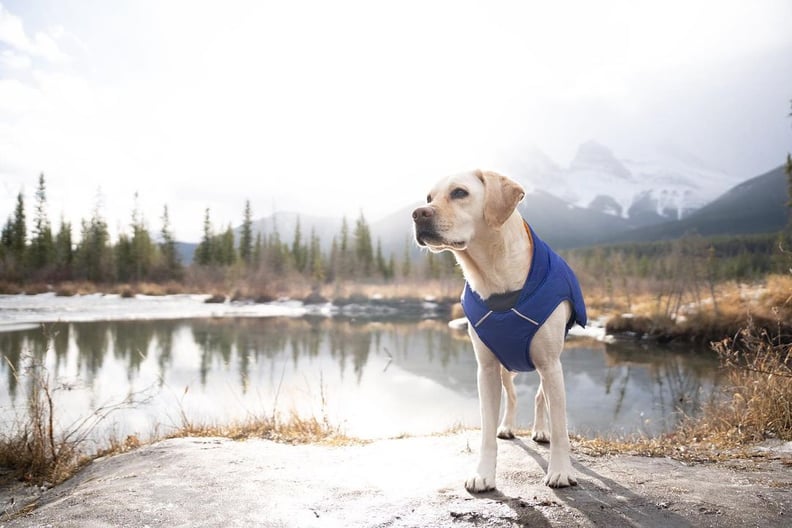 Photo Credit: @farley_the_labrador
Both camping and hiking offer a great way to help your dog explore new environments, get some exercise, and learn new skills. There really is no better companion for outdoor adventures.
Heading out into the great outdoors for an epic camping or hiking trip with your canines requires a lot of preparation to make sure everyone stays safe and has fun. So before you pack up your car and hit the road, ensure you have everything in order for you and your pets. Take the time to prepare now, so you can enjoy your time in nature as much as possible!
You and your dogs will be so glad you did :)
We hope these tips will help you keep your dog safe and make his first outdoor adventure fun, relaxing, and exciting! Enjoy!
FAQs About Hiking and Camping with Dogs
Can I bring my dog on a hiking or camping trip?
Yes, you can bring your dog on a hiking or camping trip, but it's important to check the rules and regulations of the specific park or campground you plan to visit.
How should I prepare my dog for a hiking or camping trip?
Before heading out, make sure your dog is up-to-date on vaccinations and has a proper ID tag. Training your dog to respond to basic commands and be comfortable walking on a leash is also important.
Is it safe to camp with dogs in bear country?
No, camping with dogs in bear country is not recommended, but that doesn't mean there aren't precautions you can take to reduce risks and hopefully prevent bear encounters. Proper gear, like bear bells and bear spray, combined with keeping your dog secure and close by at all times, can help mitigate risk.
How can I minimize the impact of my dog on the environment while camping?
Leave no trace. To minimize your dog's impact on the environment, always clean up after them and dispose of waste properly. Respect any regulations regarding dog access to certain areas and wildlife protection.
What type of camping is best for dogs?
The most secure option for camping with dogs is trailer or vehicle camping, but with the right tools and tips, tent camping can be safe, fun, and more engaging.
Get Ready for Camping Season
Canada is a beautiful country, full of hiking trails, national parks, and plenty of campsites for whenever you and your dog want to spend some time in the wilderness.
Whether you are a seasoned hiker, an adventure aficionado, or just planning your first dog-inclusive camping trip, this guide can help you get prepared for whatever nature throws your way.
Each step is vital to making your pet's camping or hiking experience fun and stress-free, whether you are planning your trip, packing the right supplies, setting up your campsite, or just looking for some tips to keep your dog safe and secure.
.jpg)