.png?width=200&height=66&name=logo%20(1).png "HomesAlive Pets Canada")

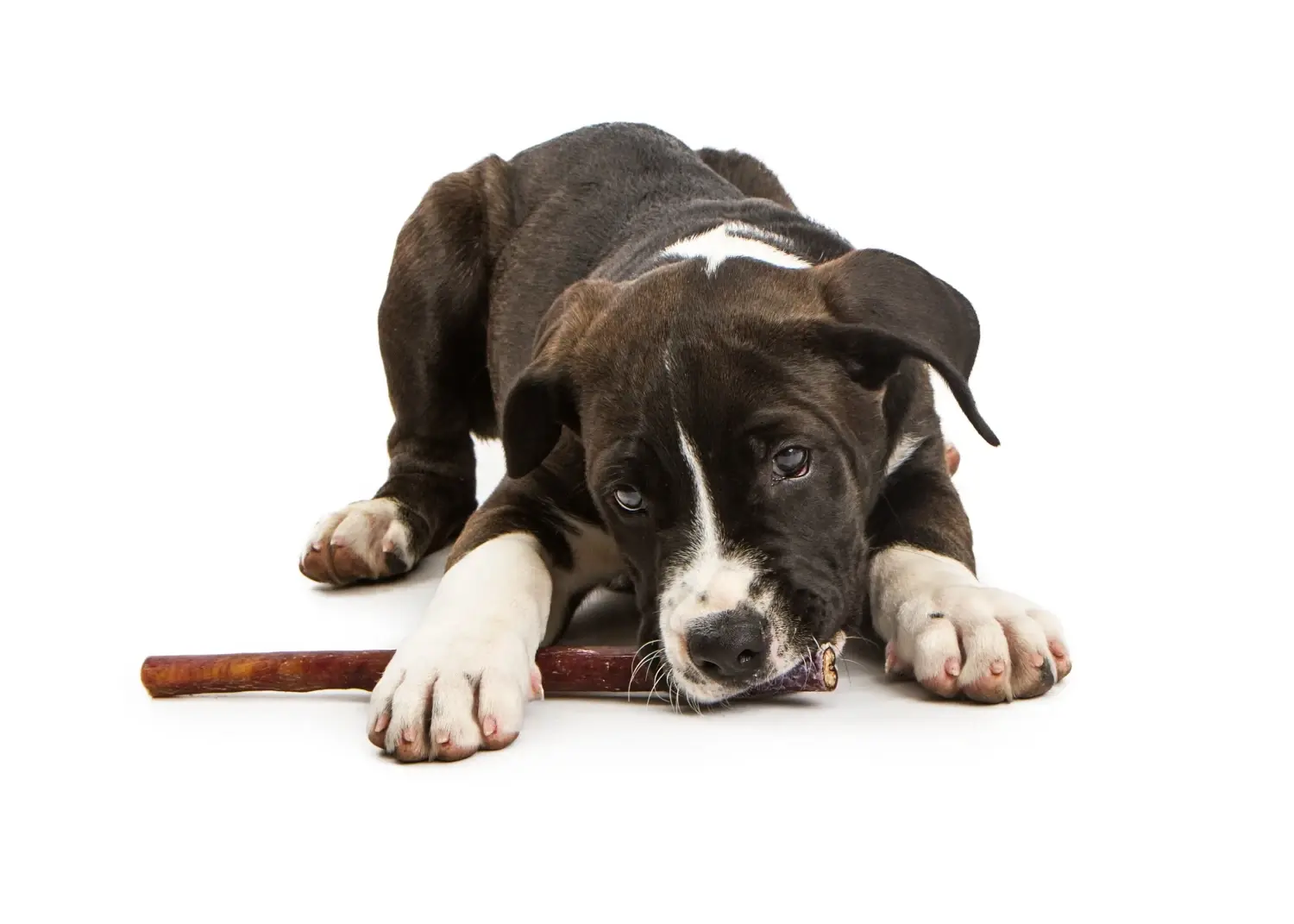
Looking for your dog’s next favourite chew? Bully sticks are one of the most popular long-lasting dog chews, but not all bully sticks are created equal. In this guide, we break down what bully sticks are made of, how they are made, and top tips to give your dog the full benefits of bully chews.
In addition to their long-lasting nature and drool-worthy flavour (to dogs, that is), bully sticks are also one of the safest chew treats for dogs of all ages. Whether you are looking for a long-lasting activity to keep your pooch occupied or a tasty tool to support your dog's dental health, bully sticks are a dog favourite, and for good reason.
Whether your dog is a bully stick enthusiast or you are just discovering this popular chew for dogs, stick around to get answers to the most asked bully stick questions and learn some pretty interesting facts about this amazing natural chew.
-
- What bully sticks are really made of (brace yourselves 😆)
- How are bully sticks made
- Basic bully stick safety and feeding tips
Known for their natural flavour and long-lasting nature, bully sticks satisfy a dog’s natural urge to chew, which helps keep their teeth clean and gums healthy. Plus, they’re made from a single ingredient, making them a nutritious and tasty treat for many dogs.
Read on to find out the benefits, risks, and nutritional facts of bully sticks in Canada.
Just remember to supervise your pup while they enjoy their bully stick to ensure safe chewing.
What are Bully Sticks Made Of?
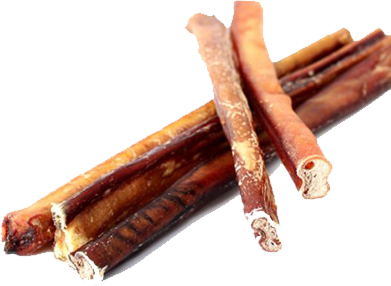
Let’s just rip off the band-aid. Bully sticks are made from bull pizzle, which might sound like a funny word, but it's a common term for bull penis. They are stretched and then dried at low temperatures to remove moisture and create a durable but satisfying texture.
Surprised? A little grossed out? Fair. While it may sound unpleasant to us, bully sticks are a nutritious, single-ingredient chew that dogs go absolutely wild for.
Now that you're over the initial shock, here are a few more facts about bully sticks for dogs.
Bully sticks are a single-ingredient product that is 100% natural and is a safer alternative to rawhide chews and cooked bones. They come in a wide range of sizes and shapes to help you choose the perfect long-lasting chew for your pup.
Some are as small as 4", which might be perfect for a small breed or young teething puppy, while the 12"+ options may be best suited for giant canines and aggressive chewers.
What's in a name? Would a bully stick by any other name still... well, you get the idea. There are many names for the best bully sticks, so you may have already been giving your dog these natural, grass-fed cattle treats without even realizing it.
Here are some other popular names for bully sticks:
-
- Bull Sticks
- Bully Bites
- Bull Pizzle Sticks
- Pizzle
- Bull Pizzle
- Steer Sticks
As a long-lasting natural chew, bully sticks are unsurprisingly one of the best-selling dog chews in Canada. As long as the treats are made from single-ingredient bull, uh... parts, these chews are a safe and tasty way to keep your dog occupied and get in a good jaw workout.
How Are Bully Sticks Made?
Though manufacturing processes differ between brands, most bully sticks are stretched or shaped, and then dried in a low-temperature oven to remove the moisture and eliminate bacteria. It's also common for bully sticks from different brands to look a little different from each other, depending on their manufacturing process.
Some bully sticks are cooked at higher temperatures and end up with a much darker colour and an almost crystallized or hollow interior. These tend to be more cost-effective, but also may not be as robust.
Those dried at low temperatures will have a lighter colour and will have a denser, whiter inside. These are going to offer a longer chew session.
How Do They Make Bully Sticks Odour-Free?
If you've never smelled a bully stick before, then we have to tell you - it's an experience - and not a good one. Odour-reduced and odour-free bully sticks are a popular option for pet owners who like to feed chews indoors without the strong smell that comes with traditional bully sticks.
The most common and safest way to reduce odour is by drying bully sticks for longer at low temperatures. The more moisture you remove, the less odour the bull stick will harbour. Fortunately, the less stinky options don't seem to bother dogs, so it's a win-win for their humans.
Odour-free bully sticks, although an enticing idea, aren't actually 100% odour-free. Think of it more like drastically odour-reduced. And while the chew can still give off a little funk when your dog chews on it, it won't be nearly as bad as a full odour bull pizzle.
Are Bully Sticks Safe?

One of the first questions that most pet parents ask when considering new chews is - Is it safe? There are a lot of types of natural chews out there, and even though no chew is completely without risk, some chews have more risks than benefits.
Rawhides and cooked bones can have some particularly scary risks, so it's no surprise that many pet owners opt for safer and easier-to-digest chews, like bully sticks.
Are Bully Sticks the Safest Long-Lasting Chew for Dogs?
Yes, bully sticks are one of the safest natural chews for dogs, but it's important to note that there is no chew with zero risk.
All chews have some level of risk. No matter how big or small, hard or soft, all chews have the potential to be dangerous. This is why it's never recommended to leave your pet unsupervised with a chew.
Even the most experienced chewers can get overzealous and try to gulp something that is too big, swallow, or dense to digest. Always monitor your pet while chewing.
That being said, bully sticks are one of the safest natural chews for dogs. When properly chewed, bully sticks are easy to digest and safe for healthy teeth.
Bully sticks are safe for puppies, too. Unlike cooked bones, antlers, and yak cheese, which may be too hard and risk damaging your puppy's delicate teeth, bully sticks are just the right amount of density and pliability to be safe for those fragile baby teeth to munch on.
How to Safely Store Bully Sticks
As a dried, shelf-stable product, bully sticks don't require refrigeration, but they should be stored properly to maintain freshness, contain odours, and prevent pest activity.
Some bully sticks will come in a plastic bag, but many are sold individually, so make sure you have a resealable plastic storage bag to store your bully sticks in. Keep them in a cool, dry place like a cupboard.
The sealable bag can also help limit pest activity. All dog food and treats can attract ants, beetles, and other pests. Place a bay leaf in the bag and seal it after each use.
When to Take a Bully Stick Away
This is one of the most important habits to build when feeding your dog bully sticks, and it's simpler than you might think. Once a bully stick has chewed down to a size your dog could swallow whole, it's time to take it away.
The risk isn't in the chewing, it's in that last piece. As a bully stick gets shorter, dogs get more determined, and a small nub can become a choking hazard or cause a digestive blockage if gulped down.
Even experienced chewers likely won't self-regulate here, so this one falls on you.
If your dog tends to get possessive over chews, or you find yourself in a daily standoff over that last inch, a bully stick holder is worth considering. These simple toys grip the end of the chew securely, so your dog enjoys their chew without ever being able to swallow the final piece.
Benefits of Bully Sticks
Bully sticks have quite the buzz around them, but do they really live up to the hype? Here are a few top benefits of bully sticks for dogs:
A Tasty Distraction
The top reason why bully sticks are a recommended chew is that they're long-lasting for most dogs. Sure, some dogs basically have a wood chipper for a mouth, but the average dog will get 15-30 minutes out of a bully chew, and some even longer.
They are excellent as a distraction treat for dogs that love to chew, can be used to encourage downtime in a kennel or quiet space in the house, or can be used to distract your dog from traffic and changes happening in your home.
Reduce Boredom and Anxiety
If you have a dog that acts out destructively out of boredom or anxiety, then bully sticks could be a great tool for helping your dog learn to occupy their downtime with more productive and safer activities.
Almost universally appealing chews, bully sticks are distracting enough for any dog and provide a positive outlet for your dog while you are busy with something else. No more chewed furniture, no more whining - at least for a little while!
Avoid rewarding bad behaviour by offering a bull stick after the negative behaviour is displayed. Instead, act preventively and build a routine of safe chewing. Dogs that are both mentally and physically stimulated are less likely to display destructive chewing behaviours.
Good Dental Health
Chewing is a great way to support your dog's dental health, and bully sticks are one of the most natural chews for dogs. As they chew, the bully sticks can help to scrape away bacteria and food debris that can settle at the gumline and cause bad breath and other dental issues.
Bully sticks are not a replacement for regular dog tooth brushing, but can complement your dog's dental care routine and help to prevent dental issues over time.
Healthy Protein Boost
As a single animal ingredient treat, bully sticks offer a tasty boost of protein and calories, which can be a great way to help supplement the diet of a growing or active dog breed. Though bully sticks and other chews should not be a replacement for a complete and balanced dog diet, they can be a useful tool for buffering extra nutrients on days of higher-than-average activity.
Growing puppies can also use an extra boost of healthy animal protein during growth spurts. Larger breeds have a lot of growing to do in a short time, and it can be challenging to keep up with frequent meal adjustments to accommodate and help maintain their growth rate and muscle development.

Why Do Dogs Love Bully Sticks So Much?
We covered what benefits you'll see from offering your dog bully sticks, but we skipped one of the most important ones. Dogs love them.
But why? What makes bully sticks different from other similar chews?
Though bully sticks are not completely unique among similar natural chews, they do seem to hit a perfect trifecta of flavour, scent, and texture that most dogs can't resist.
-
Flavour: As a single ingredient chew, the bold meaty flavour makes these chews a crowd pleaser. Compared to popular chews like rawhide that are chemically treated, bully sticks have a strong flavour that keeps dogs chewing. They also keep their flavour from start to finish, unlike chews like bones and antlers that, over time, get blander.
-
Scent: Scent and flavour often go hand in hand. Bully sticks have a strong odour, which, while gross to us, dogs lose their minds over. Even odour-reduced options like Eldon's Odour Free Bully Sticks have a strong enough scent for dogs to detect.
-
Texture: Bully sticks are the goldilocks of textures for natural dog chews. Not too hard, not too soft. This makes them comfortable to chew for long sessions and ideal for teething stages.
How Long Do Bully Sticks Last?
This is both the most asked question about bully sticks and the hardest to answer. As a long-lasting chew, they can take time to soften and chew apart, but how your dog chews and how powerful their jaw is will determine how much time it takes to finish a bully chew.
On average, most dogs get 15-30 minutes out of an appropriately sized bully stick, but that's not a guarantee. Dogs that chew more daintily may get multiple chew sessions across days, while dogs that are determined to demolish their chews as fast as possible may not even hit that 10-minute mark.
Consider things like shape, size, and density to find a bully stick that will keep your dog occupied so that they can receive all of the benefits of chewing on a bull pizzle.
Tips for Feeding Bully Sticks for Dogs

You may have heard some unsettling things about bully sticks for dogs in the news or on the internet. While chewy bully sticks for dogs have been the target of some concern with pet owners, many of these concerns can be remedied with appropriate use and additional information.
Here are a few tips to keep bully sticks safe for dogs:
Always Supervise
It's important to note that any natural dog chew treats can be a choking hazard if you are feeding the incorrect size or shape. Always monitor your pets to ensure that they are chewing properly and safely and not trying to swallow large pieces of the treat.
Most dogs eat the bully slowly, but some might try to wolf it down. Durable dog toys, like bully stick holders, are a great way to stop your dog from swallowing the end piece of the chew. These toys are designed to securely grip the bull stick, preventing your dog from ever putting the whole chew in their mouth.
Feed the Right Size
When it comes to chews, choosing the appropriate size for your dog and their chewing habits is key. If your dog's bully sticks are too big, they may be getting more calories than they need and could even increase the risk of tooth damage if they can't chew with the right teeth.
Dogs need to use their powerful and sharp back teeth to safely chew these robust sticks, but if the chew is too big to get their mouth around, they may try to chew with their smaller and more delicate front teeth.
Alternatively, offering your dog a bully stick that is too small could lead to them trying to swallow large pieces of the chew, making them a potential choking risk.
Thickness also matters. If the goal is to give your dog something to occupy them, the thin or brittle bully sticks are simply not going to last as long. This type may be fine for small breeds and more casual chewers, but big pups and power chewers will need something thick and dense to keep them busy.
Watch the Calories
Bully sticks are moderately dense in calories, but the quality of those calories is high. They are single-ingredient, high in protein, and low in fat. That being said, you do need to take these extra calories and nutrients into account, especially if your dog is on a diet.
Bully sticks for dogs typically have between 9 and 22 calories per inch, depending on the width and density. So if your dog is eating bully sticks every day, you may need to keep a close eye on their weight and be prepared to cut back if unwanted weight gain occurs.
For overweight dogs, you may need to reduce the amount of other treats and snacks they get throughout the day and make sure bully sticks are given on days when extra exercise and playtime are scheduled.
Wash Your Hands
It's important to practice safe handling habits with any dog treats or food. All dog treats and natural chews could have some bacteria on them, so even though your dog can safely consume these treats, our bodies don't handle the bacteria as well.
After touching your dog's bully chew, wash your hands. It's also a good idea to only let them chew their snack on easy-to-wash surfaces or their own bedding. Crates, dog beds, dog blankets, or even outdoors are all great places to help limit your interaction with these yucky chews.
Bully Stick FAQs
Are Bully Sticks Good for Dogs?
Yes, bully sticks can be good for dogs when fed appropriately. Not only do dogs love them, but they can be a welcome activity to redirect your dog when they get bored or anxious.
How Often Should I Give My Dog Bully Sticks?
As much as dogs love bully chews, you may find that it is difficult to limit calories when you are feeding these chews daily. Feeding bully sticks every other day or a couple of times per week can help you limit calories over time and offer more substantial and longer-lasting chewing experiences.
Do Bully Sticks Contain Animal By-Products?
Single-ingredient bully sticks for dogs do not contain animal by-products in the way we think of by-products in food, but they are technically classified as animal by-products themselves. This doesn't mean they are bad, though, so don't get scared by the unflattering classification.
Can Bully Sticks Spread Bacteria?
Like any natural treatment, the risk of bacterial contamination is there. A scientific study with a small sampling of 26 different bull pizzle products has confirmed the presence of bacteria (according to this press release), such as Clostridium difficile, Staphylococcus aureus, and Escherichia coli in a minority of the chewy sticks sampled. It sounds scary, but dogs can handle a lot more bacteria than people. Unless your pet is immunocompromised, consuming these bacteria is unlikely to affect your dog. Bacteria are a risk in all pet treats and food, so bully sticks are no more or less dangerous.
Are bully sticks more digestible than rawhide?
Yes, bully sticks are more digestible than rawhide. Even though they are long-lasting, bully sticks chew down better than rawhide and don't expand in your dog's stomach. This reduces the risk of digestive issues or blockages that rawhide can contribute to.

Still deciding if bully sticks are right for your dog? Browse our full selection of bully sticks at Homes Alive Pets or check out our top-rated picks in our best bully sticks guide to find the right style and brand for your dog.
.jpg)