.png?width=200&height=66&name=logo%20(1).png "HomesAlive Pets Canada")

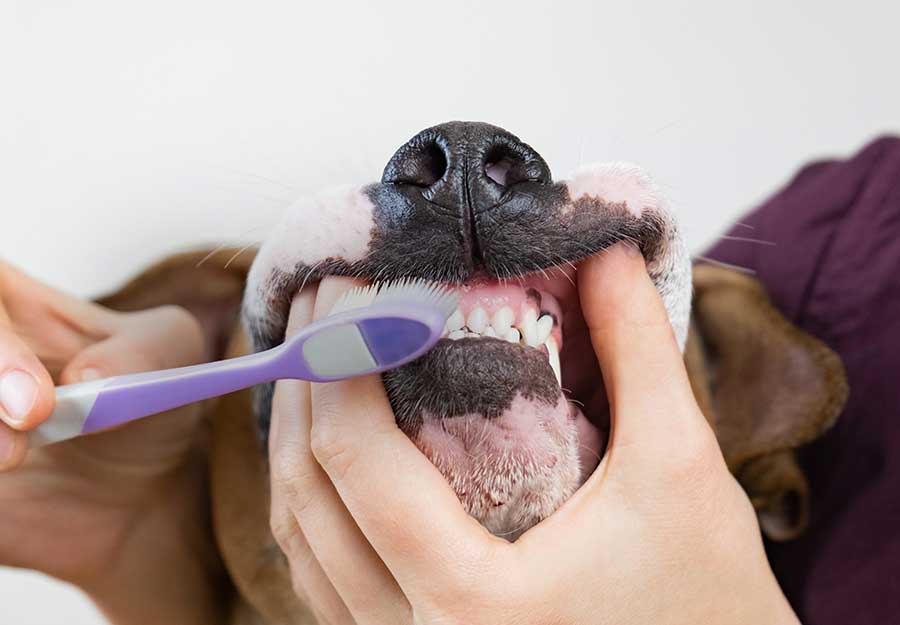
Does your dog have bad breath? "Dog breath" isn't something we should just learn to live with. Strong odours from your dog's mouth are one of the first signs of poor oral health. Stay on top of their dental health by learning how to brush dog teeth at home.
It's a common belief that dogs just naturally have bad breath, but that's not true. Your dog's breath will never smell like Daisy's, but it shouldn't be so pungent that you reel back whenever they breathe too close to your face.
Brushing your dog’s teeth is still the most effective way to reduce bad breath and support long-term dental health. In this guide, we’ll walk you through how to brush dog teeth in 10 easy, manageable steps that work for real dogs and real routines.
Why Should You Brush Your Dog's Teeth?
Regularly brushing your dog's teeth is the best way to ditch bad dog breath and keep their teeth strong and healthy. It’s a simple habit that plays a major role in keeping your dog’s teeth strong and functional as they age.
Regular vet checks are important for avoiding potential issues, but at-home care, like brushing your dog's teeth, can further boost oral health and may prevent dental issues or disease as they age.
Dental care is just about your dog's breath. Bacteria naturally build up in your dog’s mouth and can contribute to periodontal disease, tooth decay, and inflammation.
If you've never brushed your dog’s teeth, you are most definitely not alone. Many pet owners struggle with this practice, whether they've tried and failed or never tried at all. But toothbrushing does get easier with practice and patience.
How do I clean my dog's teeth at home, you ask? That one is easy. Keep reading to learn the best way to brush dog teeth and how to help your dog get comfortable with this regular grooming practice.
Do I Really Need to Brush My Dog’s Teeth?
Dog tooth brushing may seem a little intimidating. There must be easier alternatives, right? There are many hands-off dog dental care products that can help, but none are as effective as using a dog toothbrush with pet-safe toothpaste.
Brushing dog teeth removes more bacteria than any other home dog dental procedure. You could use every hands-off dental product under the sun, but skipping brushing increases the risk of dental disease over time.
If you want to keep your dog's teeth healthy long term and minimize unexpected vet bills, it's important to learn how to care for your dog's teeth at home. This will help to maintain your dog's dental health in between vet visits.
For more information on how to improve your dog's dental health, check out our Caring for Your Dog's Teeth: A Complete Pet Dental Care Guide.
How to Brush Dog Teeth at Home
Does your dog hate getting his teeth brushed? Your dog's dental care is important, but it can be intimidating to brush their teeth if you don't know how.
Tooth brushing is an entirely foreign practice to pets, so don’t be surprised if they are resistant to it. Just take it one step at a time to help your dog get accustomed to his dental cleanings.
Let's take a look at how to brush dog teeth in 10 simple steps:
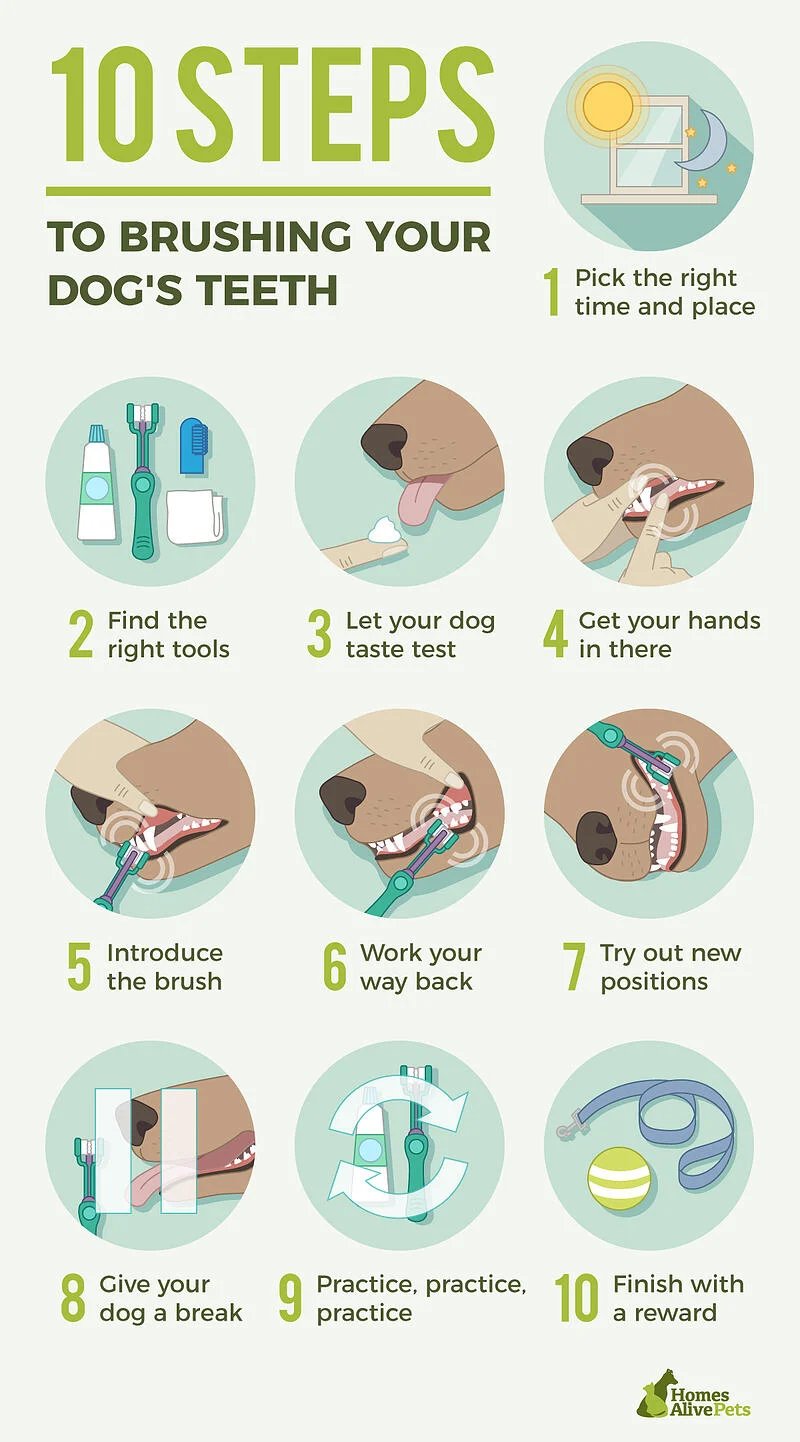
1. Pick the Right Time and Place
To reduce the fear and stress of brushing your dog’s teeth, make sure you choose a time and place where your dog can be as calm and relaxed as possible.
Choose a time when he may be more agreeable. If your dog tends to be a bit groggy in the morning, or if he’s wiped out after a long day of playing, then this might be the ideal time for a quick brushing session.
Also, choose a place that is quiet and free of distractions. This will help to keep him calm, and he’ll be more likely to respond to vocal commands like stay and sit. This will help you reach more places in his mouth.
2. Find the Right Tools for Your Dog
You might be wondering - what can I use to brush my dog's teeth? Just like for people, toothbrushes are the best tool for cleaning your dog's teeth. Keep in mind every dog is different, and a standard toothbrush may not be right for your dog.
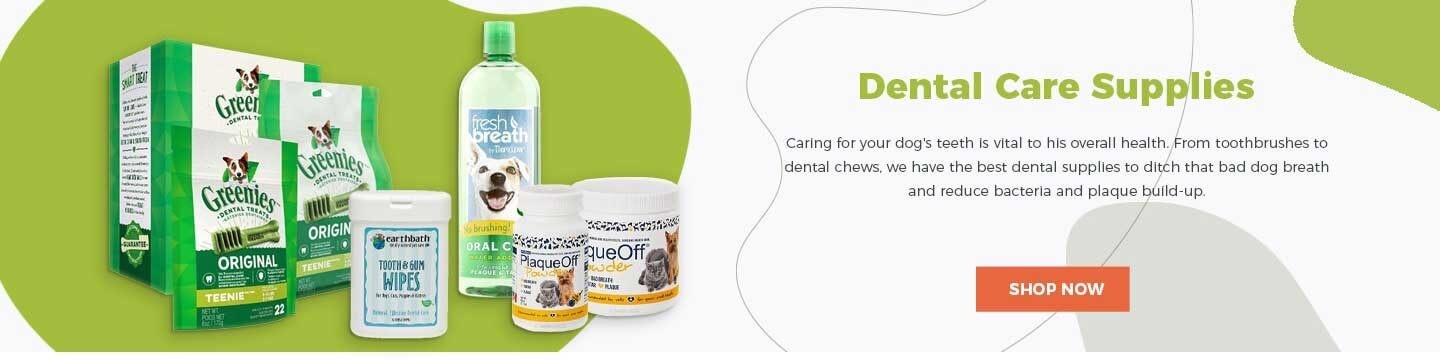
Look for dental care tools that work best for you and your pet's health. Here are a few popular options that you can try:
Dog Toothbrush
Dog toothbrushes come in a variety of shapes and sizes, so find one that is right for your dog’s mouth shape and size. When you are starting out, try to stick to smaller, softer toothbrushes, like the Wag & Bright Puppy Polisher Toothbrush. A finger brush can also be a good starter option, especially for dogs that are intimidated by the toothbrush.
Dental Wipes
If you are just starting, wipes like Skout's Honor Oral Care Dental Wipes are a great way to help your dog get accustomed to dental care before you move up to a larger brush and pet toothpaste. They are small and soft, so they will feel like a gentle massage for their teeth and gums.
For dogs with small mouths and compact teeth, dental swabs, like Petsmile Applicator Dental Swabs, are great for reaching tight spaces that your dog's toothbrush is just too big to reach.
Toothpaste
Next, you need to choose a toothpaste that is dog-safe and that your dog will like the taste of. Never use toothpaste made for humans on your dog. Never use human toothpaste on dogs. Many formulas contain foaming agents and ingredients like xylitol that can be dangerous if swallowed.
Dog-safe toothpaste, like Petsmile Professional Pet Toothpaste, is flavoured with meat to appeal to dogs. If your dog has allergies or if you are looking for something more natural, you can make your own dog toothpaste at home.
Learn more about the benefits and differences between dog toothpastes in our Best Dog Toothpaste Guide. Or try a natural and safe homemade toothpaste recipe.
3. Let Your Dog Taste Test
To help your dog get used to the tools you chose, it’s a good idea to let him taste the toothpaste. This step is about building trust, not brushing yet. Once he realizes it’s tasty, he’ll be much more likely to let you brush his teeth.
Put a tiny dab on your finger and let him sniff it. Make sure you give him lots of praise so that he knows he’s doing a good job. If he’s brave enough to taste it, then reward him with a treat. You can repeat this step several times if you need to.
4. Get Your Hands in There
Before introducing a brush, it helps to get your dog comfortable with having their mouth handled. Practice touching his teeth and gums with your (clean) fingers. Start by gently lifting his lips, holding his upper jaw in place, and massaging his gums with your finger.
He may not understand why you are doing it, but it will help him to see that it’s not painful or scary. Try it with a little bit of your dog's toothpaste to make the experience a little more pleasant and tasty!
For even more tips, check out our Complete Guide to Cleaning Dog Teeth at Home.
5. Introduce the Brush
Now that he’s ok with you fussing with his mouth, you can help to get him used to the toothbrush. Show your dog the dental tool and let him sniff it. He needs to see that the brush isn’t going to hurt him.
Have some treats handy for when he sniffs, touches, or even licks the brush. As he lets you get closer with the brush, you can put a small dab of the tasty toothpaste on the dog toothbrush and let him lick it off. This will help him get used to the sensation of the brush.
When you are ready, start using the toothbrush to gently massage his gums and front teeth in small circular motions. His front teeth will be the easiest to reach, so start there. Short, positive sessions work better than trying to brush every tooth right away.
6. Work Your Way Back
Once you’ve practiced brushing the front teeth, begin to work your way further back. Focus on the outer surfaces of the teeth, especially the premolars and molars, where plaque tends to build up fastest.
When you pull the lip up, some of his premolars will be exposed, so you can start to work in small circles further and further back.
7. Try Out New Positions
While sitting or standing are the most common positions to have your dog in, some teeth may not be accessible or easy to see from that angle. Try out some new positions to help you get a good view of what you’re doing.
Having him lie on his side, for example, may help you see his teeth better, allowing you to get the brush to new areas of his mouth.
8. Take a Break
This one is important for both of you. If you find yourself getting stressed or frustrated, or if your dog is losing patience with you, then it’s a good idea to take a break. This will give you both a chance to relax and try again later.
Trying to force your way through this process will only make it more frustrating, and you could risk your dog becoming fearful of you and the brush. This also increases the risk of him biting if he’s feeling overwhelmed.
9. Practice, Practice, Practice
No one said it would be easy or fun, but with practice, you will both get better at this. Consistency matters more than perfection. Even a few successful brushes a week can start to make a difference.
10. Finish with a Reward
At the end of each toothbrushing session, no matter how successful, reward your dog for a job well done. Give him a toy, a belly rub, or take him for a walk to end the session on a good note.
Over time, your dog may begin to associate tooth brushing with positive outcomes, making future sessions easier.
This 10-step process should put you on the right track toward a better dental routine for your pet. Getting started is hard, but you will be glad you did. Your reward is a healthier dog with better breath and fewer vet bills.
Bonus Tip:
Natural chews and dental treats are a great way to help scrape away plaque and bacteria from your dog's mouth in between brushing. Regular chewing will complement your dog's brushing schedule and help to improve breath over time.
Do You Need to Brush Your Puppy's Teeth?
What about puppies? Do you need to brush your puppy's teeth, too? During the first 6 months of life, your puppy is going to go through the teething process, losing her baby teeth to make room for her permanent adult teeth.
So if your dog's baby teeth will fall out, should you even bother brushing them?
Benefits of Brushing Your Puppy's Teeth?
Starting your puppy's dental care routine early won't do anything to stop those baby teeth from falling out, but there are still benefits to brushing your puppy's teeth at an early age.
Puppy Breath
If you've ever had your puppy's breath in your face and it just about knocked you back, then your puppy and you will benefit from brushing your puppy's teeth. Puppies can get bad breath from bacteria and food debris, just like fully grown dogs. Regular brushing will remove this bacteria and give your puppy fresh breath.
Gum Health
Brushing with a small, soft toothbrush can massage the gums and ease the teething process. Gentle brushing can help soothe the pain and discomfort from moving teeth and gums that are swollen from teeth falling out and new teeth poking through the surface.
Stimulating the gums can also help new teeth breach the surface more quickly, shortening the painful periods of puppy teething.
Check out our Puppy Teething Guide for more tips to help your puppy manage teething.
Building the Routine
Training your puppy to accept toothbrushing early will make it easier to maintain her dental care routine as she ages. Your young puppy may be hesitant to let you root around in her mouth, but with practice, your puppy will get used to the routine with toothpaste.
Adult dogs who are new to toothbrushing may be more stubborn or less trusting of the toothbrushing process. The earlier you start, the easier dental cleanings will be.
How to Brush Puppy Teeth
Wondering how to brush your puppy's teeth? The process is similar to brushing your adult dog's teeth, but you will need to be a little more gentle.
Dental Tools for Puppies
Your puppy's gums will be tender during teething, so you may need to start with different tools. A soft microfiber cloth or a rubber finger toothbrush is going to be gentle enough to help your pup get accustomed to the process and can help soothe irritated gums.
Just be aware of brushing puppy teeth if you plan on using your fingers. Your rambunctious puppy will likely think you are playing a game and may try to nibble a bit. Once your puppy is big enough for a toothbrush, look for something small enough to comfortably fit in her little mouth.
Skip the Toothpaste
Puppies also have sensitive tummies because their digestive system is still developing the right balance of healthy gut bacteria. Dog toothpaste has a lot of ingredients that will be new to your puppy and could upset their stomach.
This is why skipping toothpaste is a good idea at the beginning. Alternatively, you could use a very small amount of coconut oil instead of toothpaste.
Frequently Asked Questions
How often should I brush my dog's teeth?
Brushing your dog's teeth at least 2-3 times a week is recommended to maintain good oral hygiene.
What kind of toothbrush and toothpaste should I use for my dog?
Use a toothbrush specifically designed for dogs, and select a dog-friendly toothpaste in flavours like chicken or beef that they'll enjoy.
How can I introduce my dog to tooth brushing?
Start by letting your dog lick a small amount of toothpaste from your finger to get them used to the taste. Then, gradually introduce the toothbrush by letting them chew on it, and eventually begin brushing gently.
Do I need to lift my dog's lips to brush their teeth?
Yes, lift your dog's lips to expose their teeth and gums, and brush the outer surfaces of the teeth. Be gentle to avoid discomfort.
At what age should I start brushing my dog's teeth?
The earlier you start, the easier it tends to be, but dogs of any age can learn with patience and consistency.
What if my dog resists tooth brushing?
If your dog resists, try using dental wipes, dental chews, or dental toys as alternatives. Consult your veterinarian for additional advice on oral care products or professional cleanings.
.jpg)