.png?width=200&height=66&name=logo%20(1).png "HomesAlive Pets Canada")

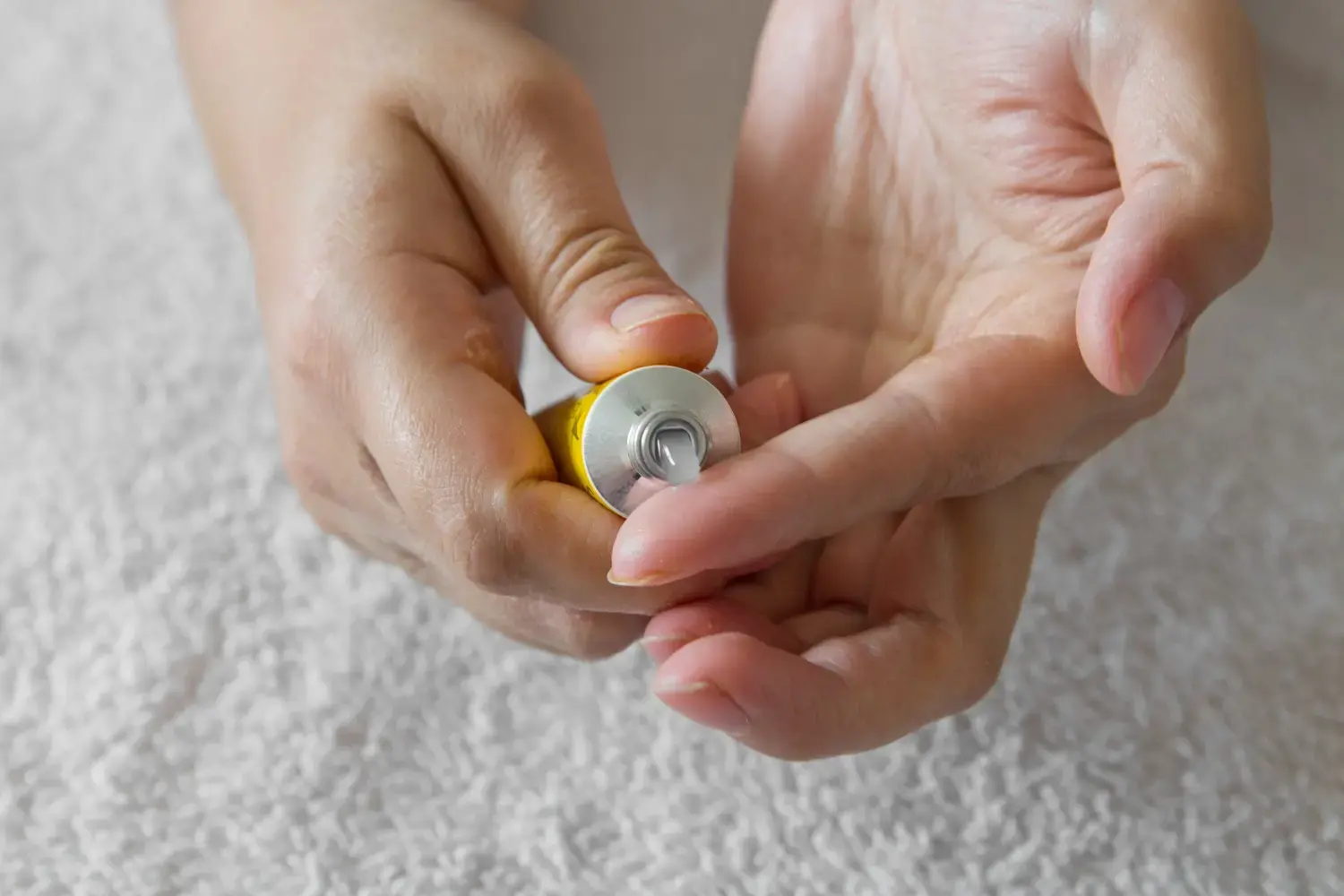
When we get a boo-boo, we reach for a trusted antibiotic ointment, like Neosporin. But what about Fido? Can you put Neosporin on a dog, too?
Can You Put Neosporin on a Dog?
An open wound is like a welcome mat for bacteria. Scrapes and small wounds are at risk of skin infections, not to mention the fact that they will drive your dog nuts. They can’t help but lick and scratch, which can irritate the wound and slow the healing.
Disinfecting and cleaning the wound will help it heal faster, leaving the skin moisturized and free of irritation. So, can I put Neosporin on my dog? Is Neosporin safe for dogs?
The good news is that Neosporin on your dog is regarded as safe to use. This means that if your pooch trips and scrapes his elbow, that handy tube of triple antibiotic ointment you have in your bathroom cabinet will do the trick.
Before you slather it on, though, find out what it is and how to use it safely on your dog.
What is Neosporin for Dogs?
Neosporin is an antibiotic ointment designed to treat your dog's minor external wounds. It contains three different topical antibiotics that kill bacteria and help wounds heal quickly:
-
- Neomycin (hence the name)
- Polymyxin B
- Bacitracin
Together, these antibiotics are very effective at defending against a variety of bacteria, preventing infection, and soothing discomfort. Neosporin is a great product to have in your first aid kit in case of emergencies.
The lotion-like texture makes it easy to apply and creates a protective layer over the wound to prevent bacteria from entering your dog’s body.
How to use Neosporin on Dogs
- The first step, before you even think of applying an ointment to the wound, is to assess the severity of the injury. Neosporin is designed for minor cuts and scrapes or bug bites. Larger wounds, lacerations, or any wound that is profusely bleeding should be attended to by a vet immediately.
- If the wound is minor and safe to treat at home, then you need to flush the wound. Dirt and debris can irritate the surrounding damaged tissues, so give it a gentle rinse with room temperature water to remove bacteria and gunk that has settled in the wound.
- Gently dry the wound before applying Neosporin. It’s important to note that Neosporin is dosed for an average adult human, so use it sparingly. You only need to apply a thin layer over the wound to be effective.
- If possible, wrap the wound. A foot or tail injury is easy for your dog to lick at, so try to prevent this if possible. Not only will your dog licking off the Neosporin be counterintuitive to the healing steps, but ingesting Neosporin is not recommended.
- Avoid using Neosporin on stitches or post-surgery wounds. Antibiotics are often given with surgery, so no additional wound care should be required. If you encounter post-op complications in your pet, it’s best to contact your vet for the best treatment options.
Just Because You Can Doesn’t Mean You Should
We don’t deny that Neosporin on your dog is effective and generally regarded as safe in treating small wounds and scrapes, but there are risks to using a product designed for humans on your pet.
Firstly, your dog bed can have an adverse reaction to one or more of the ingredients in Neosporin. Mild reactions may present in the form of rashes, inflammation, or itchiness. This will be counterproductive to the healing process.
It’s best to conduct a small patch test on another area of the skin to determine if Neosporin is right for your pet. Can you use triple antibiotic ointment on dogs?
Another consideration is ingestion. As we stated earlier, it is not safe for your pet to ingest Neosporin. Topical antibiotics can affect the healthy bacteria balance in their gut, leading to digestive upsets like diarrhea, flatulence, and poor digestion.
In addition to the antibiotics posing an issue, inactive ingredients like white petroleum that give the ointment its lotion-like texture can also contribute to tummy woes.
Knowing the risks, it’s time to consider if Neosporin is the best option for your dog’s wound and skin infection care. Neosporin on dogs is fine in a pinch, but consider stocking your pet's first aid kit with something made for pets or at least something that has fewer risks.
Pet-Safe Wound Care
Before we talk about pet-friendly alternatives to Neosporin, you should consider the easiest option of all, which is to do nothing.
Not every wound requires treatment. Have you ever gotten a paper cut, rinsed away the blood, and gone on with your day? Of course, you have.
A minor abrasion like that is unlikely to become infected and will heal on its own, but we err on the side of over-protection when it comes to our pets, just like we do with kids.
Sometimes, less is more. A dog’s healing ability is superior to ours. They heal better and faster than you do, so many minor scrapes or cuts will heal just fine without your interference. Nature usually knows best.
One of the reasons that dogs heal so well is because of their instinct to flush the wound by licking it. Their saliva contains some bactericidal properties that can help to control bacteria on the wound site. Though this is limited, it could be enough to manage minor abrasions. Their soft tongues can also remove debris from the wound.
Be cautious of how much they lick, though. The healing powers of saliva can easily be trumped by the over-grooming process.
This doesn’t mean that you should never treat your dog, just that insignificant scrapes and bumps will likely heal just fine on their own. If you are not sure, call your vet and ask.
3 Best Wound Care Products for Dogs
If the wound does require treatment, then consider using a wound and infection product that is designed to be safe for pets. There are a lot of options, so we rounded up some of our favourites for you.
1. Naturpet Paw & Skin
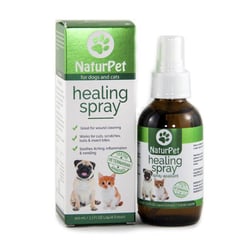
This herbal extract relief cream for dogs is safe and effective for hot spots, cuts, scratches, and insect bites. The active ingredients are antimicrobial, antifungal, and anti-inflammatory. NaturPet Paw & Skin can help reduce pain, swelling, prevent infection, and speed recovery when the wound is quickly treated and kept clean.
The lotion texture goes on smoothly and can help to provide quick relief from itching. It is lick-safe, but has a bitter taste which can help to prevent your dog from licking the wound during the healing process and introducing bacteria.

2. Adored Beast Apothecary Owies + Oopsies Topical Spray
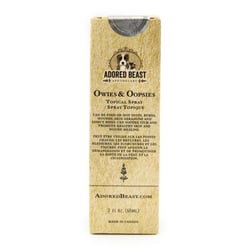
With the power of homeopathy, Owies + Oopsies uses a carefully picked blend of ingredients that can help promote and support healthy skin.
In place of alcohol, Owies + Oopsies used witch hazel. This means it won’t sting when used on an open wound, and is safe if your dog licks the wound after application, though you should still discourage this behaviour.

3. True Leaf Natural Response Topical Gel

Another natural topical treatment, Natural Response Topical Gel, relies on the natural benefits of oregano oil. This antioxidant-rich formula is designed to support skin health.
It contains natural ingredients like honey, rose hip seed oil, and vitamin E, which, when used topically, may promote the growth and healing of skin cells to moisturize the area and aid in recovery.

4. Vetricyn Plus Advanced Skin Care for Pets
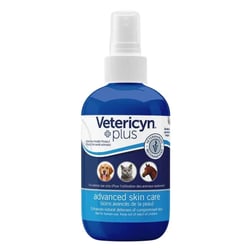
Vetricyn Plus Advanced Care for Pets is a non-toxic topical spray designed to help clean and care for minor cuts, scrapes, and irritated skin.
Its hypochlorous-based formula works by gently flushing the area, helping reduce bacteria while supporting the skin’s natural healing process. It's safe for use around sensitive areas like the eyes, nose, and ears, too.

FAQs About Neosporin for Dogs
Can I use triple antibiotic ointment on my dog?
Yes, you can use topical antibiotic ointments on minor wounds and cuts for dogs. It helps prevent infection and assists with healing.
Is it safe to use Neosporin on my dog's paw pads?
Neosporin can be applied to your dog's paw pads if they have small cuts or abrasions. However, you should watch to ensure your dog does not ingest it by licking excessively.
Can I use Neosporin on my dog's face or near their eyes?
It's best to avoid using Neosporin near your dog's eyes, as it may cause irritation. Consult your vet for safe alternatives.
How should I apply Neosporin to my dog's wounds?
Clean the wound with a mild antiseptic, pat it dry, and apply a thin layer of Neosporin.
Are there any side effects of using Neosporin on dogs?
While rare, some dogs may be sensitive to Neosporin, leading to mild skin irritation or redness. Discontinue use if you notice any allergic reactions or problems.
When should I consult a veterinarian instead of using Neosporin?
If the wound is deep, large, or infected, or your dog shows signs of pain, swelling, or discomfort, it's best to consult with your vet before trying any home remedies.
.jpg)