
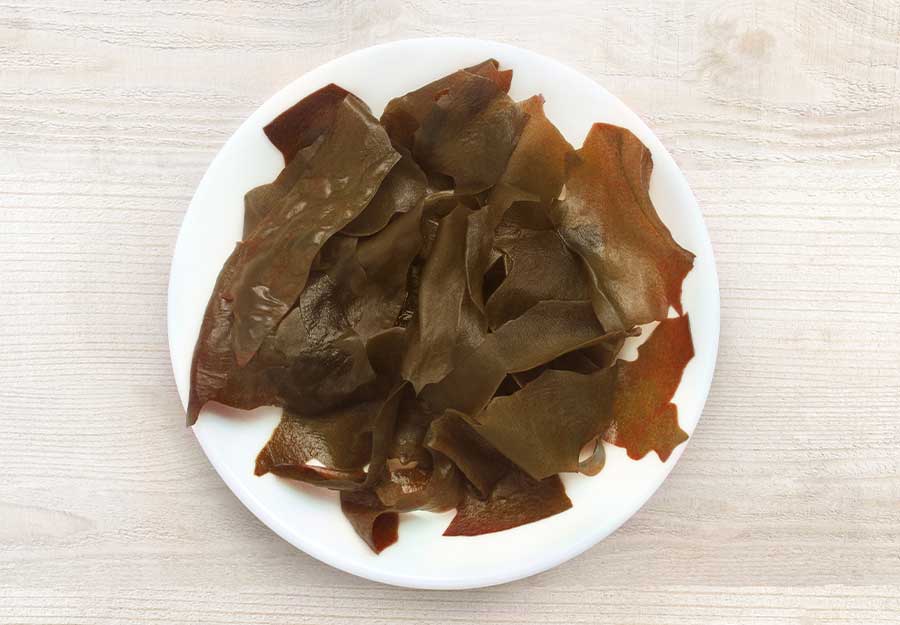
As a dedicated pet owner, you’d do anything to make sure your pet is getting the best nutrition they can, but is food alone enough? There is a sea of superfoods that all claim to boost nutrition and general health, but only kelp for dogs has such a wide variety of your dog’s essential nutrients, all in one easy supplement.
You might find the endless supply of ingredients and products meant to support your dog’s health is overwhelming. If you are looking for a simpler solution to boost your dog's nutrition, then you'll find it in kelp.
Kelp is nature’s multivitamin. As a highly regarded superfood, kelp is already used in many pet products, including food, treats, and supplements. Learn about how kelp can positively impact your dog’s life and how to introduce it into their diet safely.
What Is Kelp?
You may already be familiar with kelp's positive effects on humans and animals alike, but what is it really, and what makes it such a healthy food? As one of the more common sea vegetables, kelp is used for various benefits, from weight loss to tissue repair, dental plaque removal, and beyond.
Typically found in underwater forests, kelp is a type of brown algae seaweed. Kelp can grow quickly in the shallow ocean water where it thrives, up to a foot and a half per day, ultimately reaching lengths of 100 to 260 feet.
Kelp is naturally nutrient-packed, and scientists say its existence may date back up to 23 million years ago. It is frequently praised for its benefits to human health, based on its richness in antioxidants that fight disease-causing free radicals.
Kelp even provides vitamins A, B, E, D, and K. It has many practical uses in different cultures, including but not limited to cuisine, skincare, glass making, and even medicine. While the uses of kelp are quite varied, this ingredient has made a name for itself as a useful supplement for dogs. Kelp can be very beneficial. In fact, it is often given to farm animals, encouraging more nutritious products such as goat's milk.

Kelp vs Seaweed
Kelp and seaweed aren't necessarily the same thing. All kelp is seaweed, but not all seaweed is kelp. Nori, for example, is a type of seaweed used in Japanese cuisine. Kelp is exclusively grown in saltwater and attaches to the ocean floor. The constant movement of water along rocky coastlines is what allows kelp to obtain such a variety of nutrients.
More common, smaller types of seaweed are typically found floating in almost any open body of water, both fresh and salt, and although still nutritious, they do not offer the variety of nutrients that kelp does.
The Health Benefits of Kelp for Dogs

As mentioned above, kelp has become a versatile ingredient to improve the health of people, but its benefits extend to dogs as well. One notable benefit is its iodine content. Keep in mind, however, that you should not feed your pet kelp if they are prone to skin allergies. Consulting a veterinarian beforehand is ideal.
Kelp is an excellent source of iodine, which supports the endocrine glands and glandular function while promoting healthy thyroid hormone function. Because iodine is essential in your dog’s diet, incorporating kelp can be a spectacular supplement, particularly if your dog is on a diet that does not contain fish.
Though many commercial diets, like kibble, contain nutrient packs that offer an array of vitamins and minerals, these synthetic additives can be difficult to absorb and are easily denatured or destroyed by the cooking process.
Adding kelp to your dog’s diet offers trace amounts of these nutrients from a natural food source to ensure that they are receiving optimal levels of vital vitamins and minerals, like iodine.
Kelp may also help improve your dog's energy levels and strengthen their immune system. This pet-friendly seaweed generally contains about 25% protein and 2% fat. Compared to other plants, kelp is one of the best mineral and amino acid sources.
Lastly, including kelp in your dog's diet can result in healthier skin and coat, less dryness and itchiness, and a more balanced metabolism by supplying omega-3 and omega-6 fatty acids and amino acids. While these are only a few of the most common benefits, they confirm that kelp can be highly beneficial for your dog’s long-term health.
The Dos and Don’ts of Kelp for Dogs
Now that we’ve discussed the many advantages of adding this sea superfood to your dog’s diet, it’s time to consider a few common mistakes and best practices for adding kelp to your dog's diet.
Do Add to Homemade Diets
Kelp can play a crucial role in making sure essential nutrient needs are met. In fact, kelp is the preferred supplement for raw and homemade diets, as they often don’t use a synthetic vitamin pre-pack like many commercial diets.
As one of nature's most abundant and diverse superfoods, kelp is often recommended to help buffer customized diets, especially those that don't contain enough fish ingredients.
Check out Homemade Raw Dog Food if you are interested in making your dog's raw food from scratch.
Do Be Selective
Be selective about the kind of kelp you give your pooch. Stick to supplements that are marketed for pets. This will ensure sourcing and dosages are safe for pets.
Don't Feed Whole Kelp
If you spend a lot of time at the beach, chances are you’ve come across some stray seaweed. We often think that fresher is better, but not in this case. Eating whole kelp or seaweed of any type can be a choking hazard, especially if your dog doesn’t chew it properly.
Most kelp supplements are offered in dried powdered formats. This makes it both safe to ingest and easy to administer.
Don’t Overdo It
Though kelp has a wide variety of nutrients your dog needs in their diet, you need to ensure they are not getting too many nutrients. Fat-soluble vitamins and many trace minerals can be dangerous if you feed too much.
If you choose to incorporate kelp into your pup’s diet, consider other sources of nutrients, like iodine, that are already represented in your dog’s regular food and treats. To supplement complete diets, try feeding sea kelp a few times per week instead of every meal to avoid offering too many nutrients.
Enhance Your Dog’s Raw Diet
Kelp can be a particularly positive addition to your dog’s daily nutrition if you feed a raw dog food diet. Among the benefits of raw dog food are high protein, improved digestion, cleaner teeth, and fresher breath, just to name a few.
Notably, a raw food diet can improve a dog’s energy and stamina, an effect that is compounded by the addition of sea kelp.
You should also be aware of the iodine levels your pet takes in. A diet lacking iodine is detrimental to your dog and should be remedied immediately. Supplementing with sea kelp is especially recommended if you feed a raw diet lacking in fish or shellfish.
Kelp Powder for Dogs
The safest and most convenient way to offer your dog kelp is to purchase dog-safe kelp powder. This dried and ground version of sea kelp is much easier to portion and store. Additionally, fresh, whole kelp can be a choking hazard, so stick to processed and finely ground varieties.
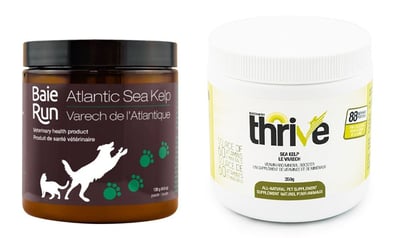
Check out high-quality, carefully formulated products like Baie Run Atlantic Sea Kelp or Thrive Sea Kelp to support your dog’s long-term health.
Incorporating Kelp into Your Dog’s Diet
Now that you have a more holistic understanding of how kelp can positively affect your dog’s health and quality of life, you may be wondering how to introduce dog kelp into your dog's diet.
Powdered kelp supplements are easy to sprinkle over any meal. Alternatively, many dog treats contain kelp, like Icelandic+ Beef Collagen Puffs with Kelp and Benny Bully’s, just to name a few.
If you’re feeling really fancy, you can add kelp to your dog’s homemade treat recipe. Here are some easy and fun homemade dog treat recipes for you to customize.
Frequently Asked Questions
What is kelp, and how can it benefit my dog?
Kelp is a type of seaweed rich in nutrients like vitamins, minerals, and antioxidants. Kelp may help improve your dog's coat and skin health, support their immune system, and provide essential vitamins and minerals.
How much kelp for dogs per day?
The average dose for kelp is about 1/8 to 1/4 tsp per 10 lbs of body weight, but that will depend on the format. Supplements can be powdered or part of a treat, so always follow the recommended guidelines of the brand and your vet.
Can I give my dog fresh kelp from the beach?
Offering your dog fresh kelp from the beach is not recommended, as it may contain harmful bacteria, parasites, or pollutants and can be a choking and digestion hazard. Instead, use only commercially prepared kelp powder for dogs.
How should I introduce kelp into my dog's diet?
Start with small amounts and monitor your dog's reaction. You can mix powdered kelp into their regular food or offer kelp dog treats that most dogs love.
Are there any potential side effects of feeding kelp to my dog?
While kelp is generally safe, excessive consumption can lead to iodine-related issues. If your dog has thyroid issues, always consult your vet before feeding kelp.