.png?width=200&height=66&name=logo%20(1).png "HomesAlive Pets Canada")
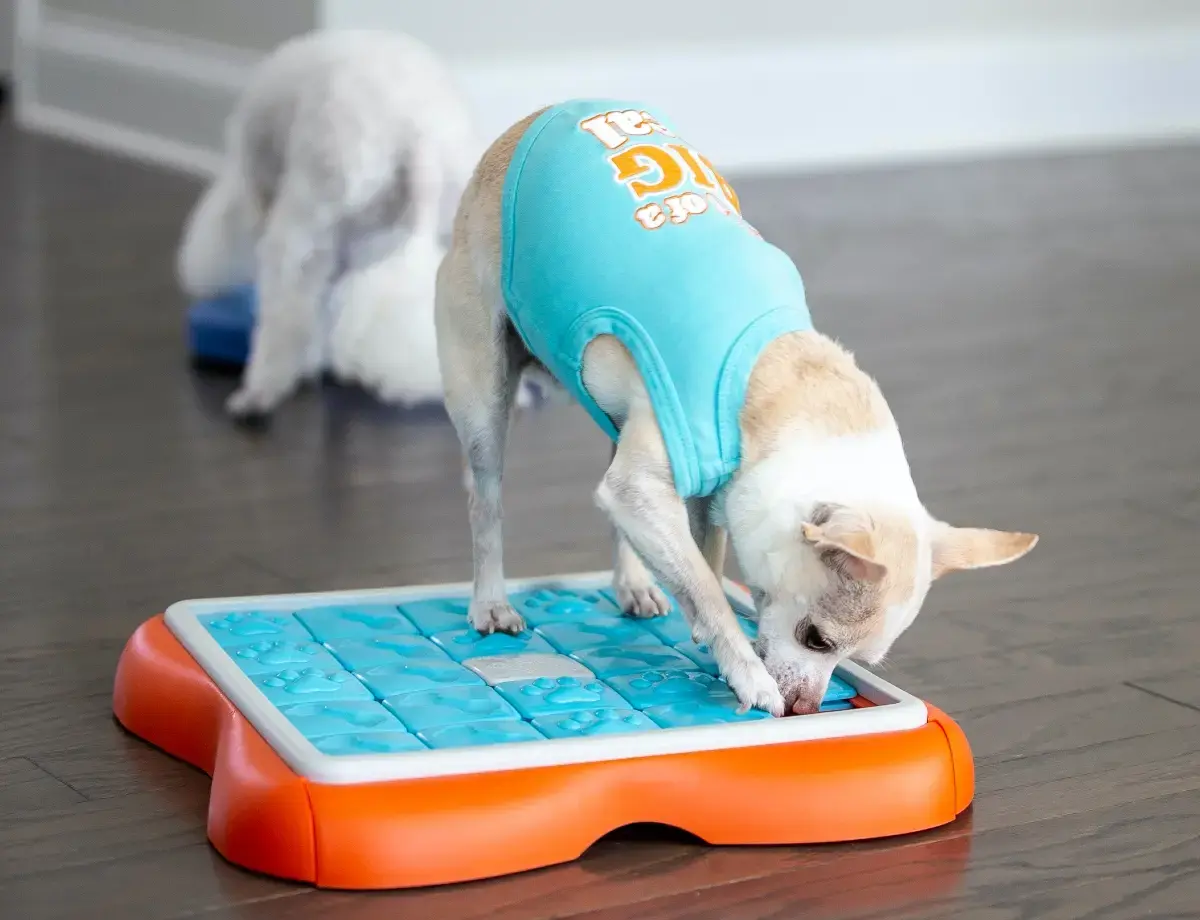
Is your dog too smart for their own good? Text their skills and teach them new ones with the best dog puzzle toys. Give them the mental stimulation they need to kick bad boredom habits and express their natural foraging instincts.
If your dog has ever blown through a walk and still acted like they had energy to spare, then you’re not alone. Physical exercise is important, but it’s only half the equation of what Fido requires. Dogs need mental stimulation just as much as they need movement daily, and that’s where puzzle toys come in to meet the need.
The best dog puzzle toys challenge your dog to think, problem-solve, and work for rewards. It doesn’t matter if you’re dealing with a high-energy herding breed, a curious puppy, or a dog that gets bored easily; the right puzzle can make a noticeable difference in your pup’s behaviour, focus, and overall happiness.
In this guide, we’ll take a look at how puzzle toys work for your dog, why they matter, and help you find the best dog puzzles and food puzzle feeders for every skill level.

Benefits of Puzzle Toys for Dogs
Puzzle toys are more than just a way to keep your dog busy. They provide structured mental engagement that taps into your dog’s natural instincts for fun and learning.
When used as part of a varied play routine, dog puzzle toys can help your dog hone skills and have a positive effect on overall behaviour. Check out the top perks of using puzzles and brain games with your dog:
Reduce Destructive Behaviours
Puzzle toys help reduce boredom for your furry friend. Dogs that don’t have an outlet for their energy often create their own entertainment, which usually means chewing furniture, barking excessively, or digging. A puzzle toy gives them something productive to focus on instead of bad habits.
Build Confidence
They also encourage your pup’s problem-solving skills. Dogs are naturally curious and intelligent. When they’re given a puzzle, they have to figure out how to access the reward. Over time, this builds confidence and cognitive ability as your dog works to gain the treat.
Slow Feeding
Another major benefit is that puzzle toys can slow down fast eaters. Lots of dogs gulp their food, which leads to stomach upset and vomiting. Many of the best dog food puzzle feeders are designed to make your dog work for their meals slowly, which helps prevent gulping, improves digestion, and reduces the risk of bloating.
Calming Activity
Puzzle toys can also help with anxiety. Dogs that are nervous, reactive, or prone to separation stress often benefit from having a task to focus on as a form of distraction and relaxation. A challenging toy can redirect nervous energy into something calming and structured that's beneficial for everyone.
Also, puzzle toys are a great way to provide enrichment when you’re busy. If you’re working from home or stepping out for errands, giving your dog a puzzle can keep them occupied in a positive way.
Best Puzzle Toys for Dogs
Now let’s break down some of the best dog puzzle toys available, categorized by skill level and type.
Best Dog Puzzle Toys for Beginners
Start simple. Beginner puzzle toys should be easy to understand and quick to reward. This will reduce frustration or stress, and help your dog associate different movement sand curiosity with immediate positive reinforcement.
The focus is on building confidence and interest in puzzle play. Simple, one-step actions will quickly teach new behaviours and skills.
BeOneBreed Push and Find Interactive Dog Bowl
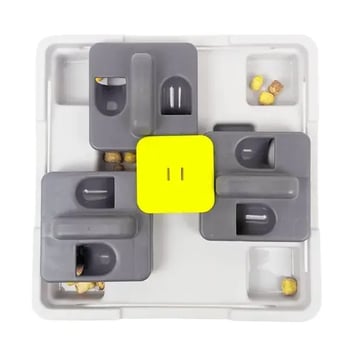
The BeOneBreed Push and Find Interactive Dog Bowl is one of the best dog food puzzle feeders for dogs just getting started at puzzle fun play. A simple, low-frustration puzzle that helps dogs learn the basics of problem-solving. The sliding sections are easy to manipulate, making it ideal for beginners.
Why it works: It turns mealtime into a simple game by requiring your dog to push sections around to access their food.
Best for: Beginners who are learning how puzzles work.

Spot Seek A Treat Flip N' Slide
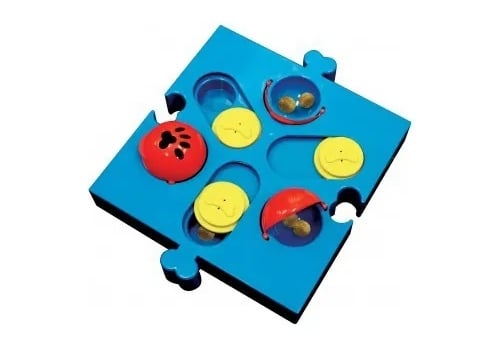
The Spot Seek A Treat Flip N' Slide is a classic entry-level puzzle toy for Fido. The toy features sliding panels and lifting compartments that help your dog learn to use their paws and nose to uncover rewards inside. Without a doubt, this is one of the best dog puzzles for beginners.
Why it works: It introduces basic problem-solving without being overwhelming.
Best for: First-time puzzlers who show interest in foraging.

Best Intermediate Dog Puzzles
Once your dog understands how puzzle toys work, it’s time to add a bit more challenge. The next level is to introduce multiple steps, moving parts, and hidden compartments that require a little trial and error.
These are great for dogs that need a little more mental stimulation to stay engaged. By increasing the difficulty, you are teaching them problem-solving skills and persistence, as their first move may not offer the instant gratification that beginner puzzles will.
Outward Hound Nina Ottosson MultiPuzzle Dog Puzzle Toy
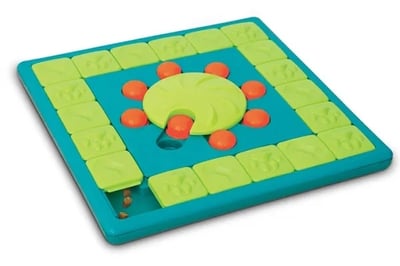
Outward Hound Nina Ottosson MultiPuzzle Dog Puzzle Toy is a puzzle that adds complexity with multiple layers and moving parts. Dogs need to slide, lift, and navigate different compartments to find treats.
Why it works: The variety of features helps teach new skills, allowing your dog to try, fail, and try again.
Best for: Ideal for dogs that have mastered beginner puzzles and are ready for a bigger challenge.

Best Challenging Dog Puzzles
If your dog is flying through puzzles and losing interest in their old brain games, then it's time to move up to expert-level puzzle toys. These toys often require multiple actions in sequence and reward patience and persistence.
Many challenging puzzles for dogs are customizable, so that the puzzle can change each time they play. This not only keeps them guessing but also prevents the game from getting boring day after day.
Outward Hound Nina Ottosson Puzzle Toy - Tower of Treats
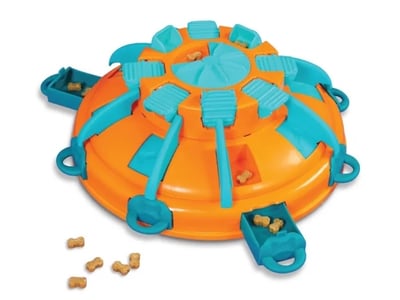
The Outward Hound Nina Ottosson Puzzle Toy - Tower of Treats is designed for experienced puzzle solvers who are bored by intermediate brain games. This toy requires dogs to move stacked layers by flipping, spinning, and sliding to uncover hidden treats.
Why it works: The complex design creates a multi-step challenge that teaches patience and persistence.
Best for: For smarty pants dogs that need puzzles with multiple steps to find the treats.

Best Treat Dispensing Dog Toys
Combining mental and physical activity is a great way to manage behaviours and allow your dog to express their natural instincts. Instead of solving a set puzzle, your dog needs to move, roll, or manipulate the toy to release food.
They encourage more movement and engagement than a standard puzzle toy, and keep the process dynamic and exciting. These are excellent for indoor play on a bad weather day.
Guru Dog Toy - Dog-X-Cube
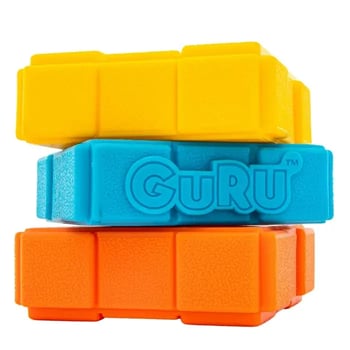
The Guru Dog Toy - Dog-X-Cube is a highly durable toy that dispenses treats as your dog rolls and manipulates it. It’s great for keeping dogs engaged over longer periods and works well for both play and feeding.
Why it works: Its size and shape create a more dynamic play experience, keeping it from getting boring over time.
Best for: Dogs that like to incorporate movement with their puzzle.

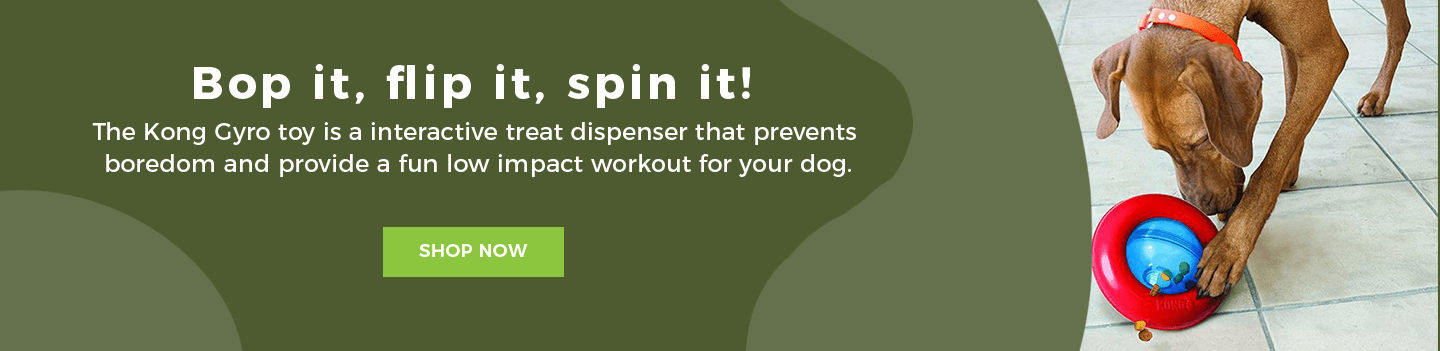
KONG Gyro Interactive Dog Toy
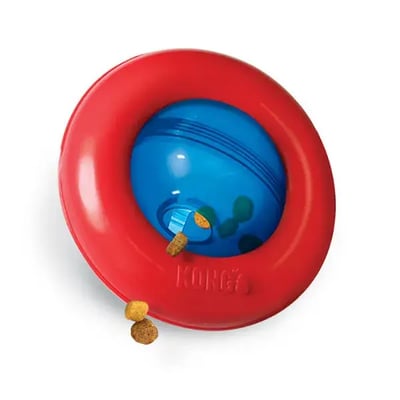
KONG Gyro Interactive Dog Toy features a fun spinning center that creates unpredictable movement. The toy encourages your dog to keep interacting with it to gain tasty treats. It’s one of the best dog puzzles for dogs that enjoy active play.
Why it works: The unique design keeps your dog guessing, helping them master a more dynamic puzzle style.
Best for: Perfect for dogs that like to chase their snacks.
Best Dog Foraging Toy
Foraging toys tap into your dog’s natural instincts to sniff, search, and hunt for food. Unlike the other puzzles on this list, these are focused solely on following their schnoz to the goodies.
The fabric mats and toys have dozens of little hiding nooks for treats or kibble. The toy isn't meant to be challenging, but it can be time-consuming and extremely satisfying. Use it for slow feeding or just as a fun indoor activity.
Messy Mutts Square Forage Snuffle Mat Plus Lick Mat
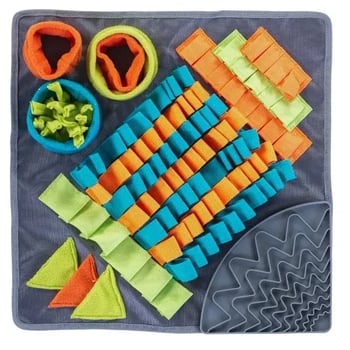
The Messy Mutts Square Forage Snuffle Mat Plus Lick Mat is a snuffle mat puzzle that taps into your dog’s natural foraging instincts. You can hide treats within the fabric layers, encouraging your dog to sniff and search or spread wet treats or foods across the lick mat for a different kind of sensory experience.
Why it works: The dual-purpose mat lets your dog experience both types of sensory enrichment.
Best for: Dogs that respond to multiple textures.

Ruffwear FUNgi Porcini Dog Toy
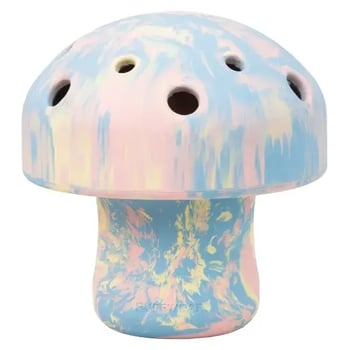
Ruffwear FUNgi Porcini Dog Toy combines play with treat-hiding features, making it a fun and engaging option for dogs that love a toy that interacts with them.
Why it works:
Best for: Best for dogs that are scent-driven.

Best Puzzles for Puppies
Brain games for puppies are a great training and development tool. These options focus on gentle problem-solving and quick wins to keep your puppy engaged without overwhelming them.
Puppies are still learning how to interact with toys, and puzzles help them learn different types of movements and ways to interact with toys, other than just chewing. They'll learn better dexterity with their paws and snout while practicing basic problem-solving skills.
Outward Hound Nina Ottosson Green Puppy Hide N' Slide Puzzle Toy
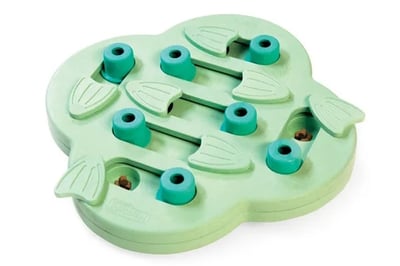
Outward Hound Nina Ottosson Green Puppy Hide N' Slide Puzzle Toy is perfectly crafted to stimulate the curiosity of young dogs. The two-step toy is challenging without being overly complicated, helping to teach puppies problem-solving.
Why it works: It introduces basic skills and problem-solving.
Best for: Young dogs who need an outlet for exploration.
ZippyPaws Burrow - Popcorn Bucket
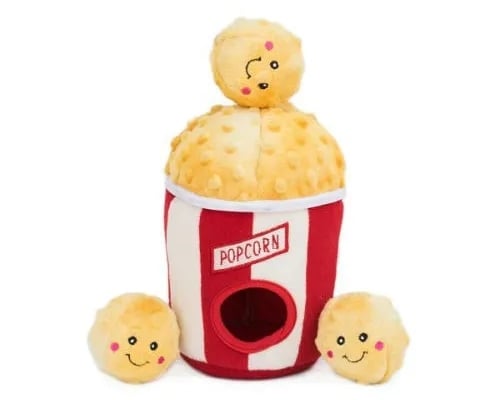
ZippyPaws Popcorn Bucket Burrow is a softer, interactive plush puzzle that focuses on toys as rewards instead of treats. The hollow bucket hides 3 mini popcorn squeaky toys that are perfect for clumsy young puppies to practice their natural foraging skills on.
Why it works: The gentle texture is soft and comfortable during the sensitive teething process.
Best for: Ideal for toy-motivated puppies.

How Puzzle Toys Support Different Types of Dogs
Not all dogs interact with puzzle toys the same way. Without a doubt, understanding your dog’s personality can make a big difference in choosing the right option. While most dogs benefit from enrichment, the way they engage with puzzles often depends on their breed traits, age, and energy level.
Take a look at how different dogs can benefit from puzzles:
High-Energy Breeds
Performance and working breeds like Border Collies, Australian Shepherds, and Belgian Malinois tend to thrive with more complex puzzles that require them to think out the steps. These dogs are wired to think, problem-solve, and stay mentally engaged.
Without enough stimulation, they can quickly become bored and develop unwanted behaviours. For these dogs, rotating through intermediate and advanced puzzles is often the best approach to keep them entertained.
Scent-Driven Breeds
Beagles, Basset Hounds, and other nosework experts are naturally drawn to foraging-style puzzles. Snuffle mats and treat-hiding toys allow them to use their strongest instinct, which is their nose and sense of smell. These types of puzzles feel less like work and more like a natural activity, which makes them highly rewarding for your pooch.
Small and Toy Breeds
Smaller companion breeds often enjoy puzzle toys as well, but they may prefer simpler designs or softer materials to chew and play with. They tend to engage in shorter bursts, so quick-win puzzles that offer immediate rewards can keep them interested without overwhelming them from the start.
Senior Dogs
Senior dogs can benefit from puzzle toys just as much as younger dogs. In fact, mental stimulation becomes even more important as dogs age.
Puzzles can help maintain cognitive function and keep older dogs engaged without requiring intense physical activity. For seniors, it’s best to choose puzzles that are easy to manipulate and don’t require too much force or coordination to gain the reward.
Puppies
Puppies, of course, are still learning how to interact with the world. The best puppy puzzle toys introduce problem-solving in a gentle and rewarding way. When picking toys for your pup, remember that the best choices should be simple, safe, and durable enough to handle chewing while still offering a challenge to your energetic furry friend.
When you match the puzzle toy that you pick to your dog’s natural tendencies, you’ll see better engagement and longer-lasting interest. Check out Do Dogs Get Bored? to learn more about the risks of bored dogs and how to enrich their routine.
What to Put in a Puzzle Toy
One of the biggest advantages of the best dog puzzle toys is the flexibility to fully customize the challenge. You can customize what goes inside the toy as a treat based on your dog’s preferences, dietary needs, and the level of challenge you want to create to have fun.
-
- Kibble: If your dog has never played with a puzzle toy, then keep the treat choice simple. Use your dog’s regular kibble. This keeps the experience easy and rewarding while your dog learns how the puzzle works from day one.
- High Value Treats: If your dog needs more motivation to become interested in the toy, then you can upgrade to higher-value rewards like freeze-dried meat, soft training treats, or small pieces of cooked chicken.
- Full Meals: For food puzzle feeders, you can use your dog’s entire meal to make it fun and exciting. This turns feeding time into an activity instead of just a mundane routine. It’s especially helpful for dogs that eat too quickly and tend to gulp their meal. The puzzle toy slows them down, so they eat at a healthy pace.
- Frozen: For longer enrichment, certain styles of puzzle and treat-dispensing toys can be stuffed and frozen. A combination of crunchy and wet foods or treats will create a long-lasting activity that your dog can work on. These are great for keeping your dog busy and stimulated when you need some quiet time.

How to Make Puzzles More Challenging
For advanced enrichment for your pup, try adding layers to foods. You can place treats inside compartments or small crevices and add a smear of dog-safe peanut butter or plain yogurt to make the puzzle even more challenging and exciting.
Always keep your dog’s diet in mind when picking treat types. Avoid overfeeding by adjusting their regular meals when using puzzle toys frequently.
How to Choose the Right Puzzle Toy
Choosing the right difficulty level is critical when picking a food puzzle. If the puzzle is too easy, your dog will lose interest quickly and not have fun. If it’s too hard, they may become frustrated and give up before they ever get a treat.
-
- Beginners: Look for simple designs where treats are visible and easy to access to entice your pup. These toys help your dog understand the concept of working for rewards, but they won’t grow frustrated.
- Intermediate: Puzzles that introduce moving parts like sliders, flaps, or compartments add an extra level of difficulty. These require your dog to perform multiple steps to access treats, increasing the challenge for Fido.
- Advanced: These puzzles are designed for experienced problem-solvers. They often involve multiple layers, hidden compartments, or sequences that your dog must figure out to obtain the coveted treat.
It’s important to progress gradually. Start with an easy puzzle and move up as your dog becomes more confident with the challenge. This builds engagement without causing frustration for your doggo.
Also, consider your dog’s personality. Some dogs are naturally persistent and enjoy a real challenge, while others may need a slower introduction to the wonders of the puzzle toy.
Common Mistakes Dog Owners Make with Puzzle Toys
Puzzle toys are incredibly effective, but there are a few common mistakes that can limit their success when your dog plays. Avoiding these can help your dog get the most out of their enrichment time with the toy.
Starting on Hard Mode
One of the biggest mistakes is choosing a puzzle that’s too difficult right away for your dog. Sure, it’s tempting to go straight for the most advanced toy, especially if your dog is smart.
However, without a foundation in using puzzle toys, even intelligent dogs can become frustrated and give up. Starting simple and building up creates a much better experience for you and your pet.
Overusing the Same Puzzle
Another issue is overusing the same puzzle. Dogs are quick learners and will grow bored. If they solve the same toy repeatedly, it can lose its appeal. Rotating between different puzzles keeps things fresh and maintains that sense of challenge that your dog will love.
Invest in a few different types of puzzles, too. Standard puzzles can be limited in their movement, so rotating between treat-dispensers, stuffable chew toys, and snuffle mats can help your dog express a wider range of skills.
Leaving Your Dog Unsupervised
Some owners also make the mistake of not supervising at the beginning when their dog uses the toy. While puzzle toys are designed for your pup to enjoy alone, it’s important to watch how your dog interacts with a new toy.
Not all puzzles are designed to be chewed on, and small pieces that come off may be choking hazards. If your dog defaults to chewing on materials they should, then consider a different style of puzzle.
Too Many Calories
Overfilling puzzles with high-calorie treats is another common problem that owners make. Puzzle toys should enhance your dog’s routine, not disrupt their daily diet by providing too much food.
Using a mix of kibble and treats or adjusting meal portions helps keep things balanced for your pup’s daily dietary needs so they don’t start to gain weight or abstain from their daily food for treats.
Using Boring Fillers
Some dogs lose interest in the toy because the reward isn’t motivating enough. If your dog seems uninterested, try switching to higher-value treats that will entice them more. Sometimes, a simple change in reward can completely transform how your dog engages with the puzzle and make your pup happier to enjoy the challenge.
If you can avoid these common mistakes, dog puzzle toys can become an asset to your dog's daily routine. Whether you are using them to slow feed, redirect unwanted behaviours, or offer mental enrichment to tucker them out, you should always ensure that puzzle toys are being used safely and responsibly.
Tips for Introducing Puzzles to Your Dog
When introducing puzzle toys to your furry friend, start slowly. Show your dog how the toy works and let them see you place treats inside. This helps them understand the goal so they can get the hang of how to use the toy.
Choose an easy puzzle to use first. Always remember that success builds confidence, and confidence keeps your dog engaged.
Stay nearby during the first few sessions with the puzzle toy. Some dogs need encouragement, while others may try to chew the toy instead of solving it, which can create problems. By participating in the game at first, you can help keep them engaged and direct them towards safer habits.
Keep sessions short in the beginning with the puzzle toy. Over time, you can increase the duration as your dog becomes more comfortable using the toy.
Rotate puzzle toys to keep things fresh and have a new experience every time. Even the best dog puzzle toys can become less exciting if used the same way every day.
Puzzle toys are one of the easiest ways to improve your dog’s daily routine. They challenge your dog mentally, reduce unwanted behaviours, and create a more balanced, engaged pet.
If you’re looking for the best dog puzzle toys, Homes Alive Pets offers a wide selection for every skill level, from beginner-friendly options to advanced challenges. Choosing the right puzzle can transform how your dog plays, eats, and learns every day.
Best Dog Puzzle FAQs
Do dog puzzles tire dogs out?
Yes, mental stimulation can be just as tiring as physical exercise for your canine companion. A 15 to 20-minute puzzle session can leave your dog feeling satisfied and calm.
How do I keep my dog busy?
Puzzle toys, treat dispensers, and foraging mats are some of the most effective tools. Rotating different toys helps maintain your pup’s interest in the toy.
Can puzzle toys help if my dog is stressed?
Yes, they can. Puzzle toys provide a focused activity that can reduce anxiety and redirect nervous energy.
Can puzzle toys help with separation anxiety?
They can, but they need to be part of a broader strategy. Giving your dog a puzzle toy before you leave can create a positive distraction.
How often should I give my dog a food toy?
You can use food puzzle feeders daily, especially during mealtime. Just adjust portions to avoid overfeeding.
What are dog food puzzles?
Dog food puzzles are toys designed to dispense kibble or treats as your dog interacts with them. They combine feeding with mental stimulation, making them one of the best dog puzzles for enrichment.