.png?width=200&height=66&name=logo%20(1).png "HomesAlive Pets Canada")


If you are trying to boost your dog's health, manage skin and coat issues, or help your dog achieve a healthy weight, then the best probiotics for dogs are a great option. Your dog's overall health starts in the gut, so support them with digestive aids like probiotics, prebiotics, and digestive enzymes.
Probiotics for dogs are a key player in ensuring your dog's digestive health. Just as in humans, a healthy gut is crucial for a dog's overall well-being. That's why probiotic supplements are so effective, especially when paired with other digestive aids like prebiotics or digestive enzymes.
As a loving pet owner, you want your dog to live a long and healthy life. And a big part of that is ensuring they're getting the right nutrients in their diet. But with all the different types of food and supplements out there, it can be difficult to know what's best for your dog.
Please keep reading to discover everything you need to know about these powerful digestive health boosters and how to incorporate them into your pup's diet.
What Are Probiotics for Dogs?
Probiotics are live microorganisms (bacteria and yeasts) that are beneficial for digestive health. They're similar to the good bacteria that naturally live in the digestive system and can help restore the balance of gut flora when it's been disrupted. That's why probiotics are often referred to as "friendly," "good," or "healthy" bacteria.
Probiotics work with the good bacteria in your dog's gut to keep harmful bacteria in check. They also help break down food, absorb nutrients, support immunity, and contribute to a healthy digestive system.
The relationship between prebiotics and probiotics is symbiotic, meaning they work together to support total health. Prebiotics act as food for probiotics, while probiotics help prebiotics achieve their full potential in the gut.
The best probiotics for dogs are a helpful part of a complete diet, and tasty meal toppers like Goat's Milk for Dogs can ensure appropriate probiotic inclusion.
Do Dogs Need Probiotics?
Not every dog needs probiotics, but they can be very beneficial for most. Even generally healthy dogs may see improvements in things like weight or bathroom habits after adding probiotics to their diet.
Adding a probiotic supplement to your canine's diet is a simple way to support their overall health and is especially useful for dogs with sensitive stomachs. This can be done by feeding dog foods that contain probiotic supplements, include ingredients that support your dog's natural gut bacteria, or by adding a probiotic supplement or probiotic-rich food to their meals.
In many cases, pet owners turn to probiotics when they are seeing signs of mild digestive issues, such as diarrhea, constipation, or gas. This is when they tend to be most effective, because they can support the healing process and help to manage symptoms.
They are often recommended by vets for dogs dealing with chronic digestive issues, after a round of antibiotics, and when changing foods to soothe and support the digestive system.
Probiotic-Rich Foods for Dog Health
Sometimes the easiest way to give your dog probiotics is with food, and some of the most natural and palatable sources might be ingredients you already have in your home.
While commercial dog foods may contain probiotics, they often aren't as effective in a cooked and processed food format as they are fresh from real food ingredients.
Many whole food sources are rich in prebiotics, probiotics, and enzymes and can be found in many commercial dog foods or can be added to your pet's diet as a treat or meal topper. Take a look at your pet's diet and see if it includes any of these natural digestion-friendly foods.
Here are some healthy food sources of probiotics for dogs:
Probiotic foods
There are a few foods that contain probiotics that can help you introduce probiotics into your dog's diet. These foods won't be as concentrated as a supplement, but can be an excellent starting point for any dogs that are new to digestive supplements.
-
- Yogurt
- Goat's milk
- Kefir
- Bananas
- Apples
- Seaweed
Raw goat's milk is a tasty meal additive for dogs. Check out the amazing Benefits of Goat's Milk for Dogs and learn how to feed this delicious food topper.
When introducing your dog to new foods, always start with small amounts and increase gradually over time. It's also a good idea to speak with your veterinarian before making any changes, especially if your dog has any health concerns.
A complete and balanced diet is vital to your pet's health, so before you try to fix your dog's health issues with supplements and additives, make sure you are feeding high-quality natural dog food. Choose high-fibre, whole food recipes.
Best Probiotics for Dogs
Adding a high-quality digestive supplement is an easy way to help provide prebiotics, probiotics, and digestive enzymes that support gut health. Speak with your veterinarian and choose a dog probiotic that’s appropriate for your dog’s age, weight, and needs.
Look for digestive supplements that contain high-quality ingredients and no unnecessary fillers, artificial ingredients, or preservatives. When in doubt, choose a product that's been certified by a third-party organization, like the National Animal Supplement Council (NASC).
Some of the best dog probiotic supplements combine prebiotics, probiotics, and digestive enzymes. These formulas help support a healthy gut and everyday wellness. These natural supplements are offered in powders or chewable tablets that you can add to meals to make supplementing easier and hassle-free.
Here are five popular probiotic digestive aids to support your dog’s gut health and complement their diet:
1. Purina FortiFlora Probiotic Supplement
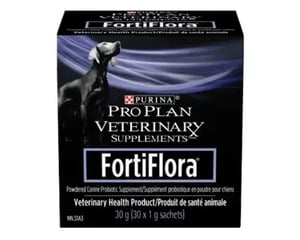

Purina FortiFlora is a veterinarian-recommended probiotic powder with a specific strain to help support normal intestinal microflora and everyday digestive health. Single-serve sachets are easy to sprinkle over meals for daily support.
2. Bixbi Digestive Supplement
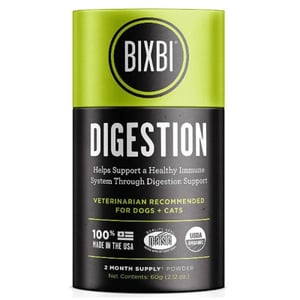

Using the natural health properties of mushrooms, Bixbi Digestive Supplement is formulated to support a healthy gut environment and normal GI balance. It may help maintain regular digestion, support immune function, and help with normal stool quality, with the added benefit of fresher breath.
3. Adored Beast Apothecary Healthy Gut
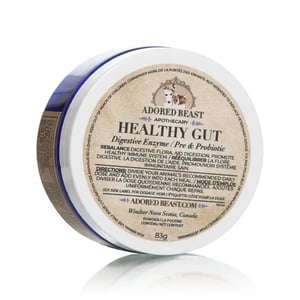

Combining prebiotics, probiotics, and enzymes, Adored Beast Apothecary Healthy Gut helps to rebalance your dog's gut microbiome to support digestion and promotes a healthy immune system. The multi-strain probiotic blend is geared towards the unique digestion of canines,
4. OmegaAlpha Probiotic 8 Plus
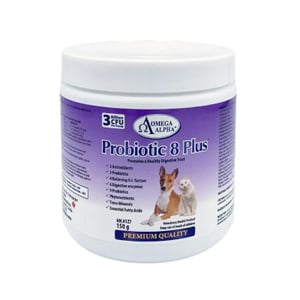

Omega Alpha Probiotic 8 Plus is one of our best overall digestive supplements for dogs. Using 8 beneficial strains of probiotics, natural sources of fibre, and natural enzymes can help to improve digestive health, manage symptoms like gas and bloating, and boost immunity.
5. NaturVet Advanced Probiotic & Enzymes
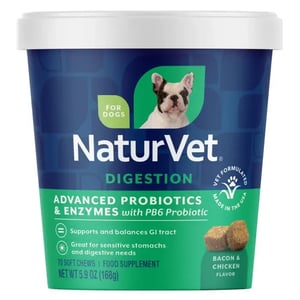

Giving your dog supplements can be tricky if they are picky about their food. NaturVet Advanced Probiotics & Enzyme Soft Chews can provide digestive support in the form of an easy-to-feed and delicious treat. These treats contain prebiotics, probiotics, and enzymes for a total gut health boost.
6. Open Farm Probiotic Supplement Chews
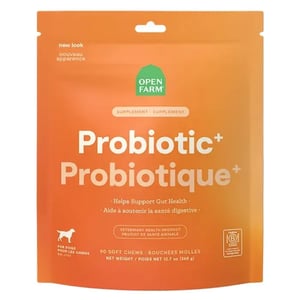

Open Farm soft probiotic chews made with 100% traceable, functional ingredients to help support normal gut flora, healthy digestion, and regular bowel movements. They are vet-formulated and easy to give. Each jar contains 90 chews for daily use in dogs of all ages.
7. Thrive Pro-Gut Probiotics Fusion
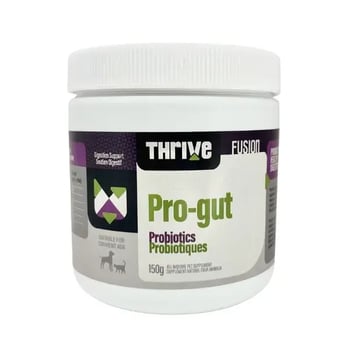

This probiotic blend offers digestive enzymes, fibre agents, vitamins, and minerals formulated to help support a healthy digestive tract. Thrive Pro-Gut is suitable alongside any diet and simple to mix with food for convenient, daily gastrointestinal support.
8. V Supplements Probiotic+ Chews
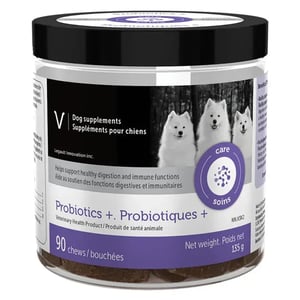

Tasty and convenient, V Supplements Probiotic+ Chews feature Bacillus coagulans plus chicory-root prebiotic to help support balanced intestinal flora, daily digestion, and normal immune function. Picky eaters love V Supplements’ treat-style format.
9. Baci+ Probio+ for Dogs
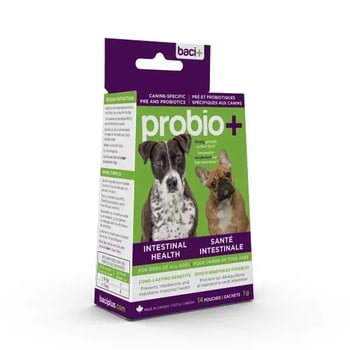

Pre- and probiotic support in one, Baci+ Probio+ for Dogs helps maintain balanced gut flora, regularity, and everyday comfort. Baci+ Probio+ for Dogs offers a straightforward daily format that fits easily into any routine.
10. WellyTails Digestion + Immunity
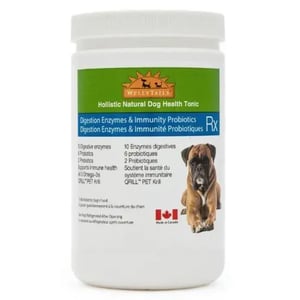

A powdered blend with multiple probiotics and digestive enzymes, WellyTails Digestion + Immunity helps support normal digestion and immune function. Sprinkle WellyTails over meals for consistent, routine gut support without changing your dog’s usual food.
Does Your Dog's Gut Health Need a Boost?
If you're looking for ways to support your dog's gut health, prebiotics, probiotics, and digestive enzymes are all excellent tools. These ingredients can be found in whole food sources or natural supplement forms at Homesalive.ca.
Remember that supplements can offer a simple method for including more digestive support in your dog's daily diet, but they can't compensate for an inappropriate or poor-quality diet. Always start by assessing your pet's food before adding supplements or medications.
Frequently Asked Questions about Probiotics for Dogs
Are probiotics a type of bacteria?
Yes, probiotics are live beneficial bacteria that help break down food to soothe sensitive stomachs and prevent disease.
Why might my dog need probiotics?
Yes, your dog's gut is populated with its own ecosystem of bacteria, but sometimes they need a little extra support. Probiotic supplementation can help boost the levels of good bacteria and soothe irritation caused by gut flora imbalances.
Are probiotics for dogs and humans the same?
No. While there is some crossover with the strains of bacteria, like Lactobacillus, canine and human gut flora are different, and the most effective supplementsfor dogs will contain strains of bacteria that are native to their systems.
Can dogs have too many probiotics?
Yes. Over-supplementation of probiotics is unlikely to be dangerous; it can have the opposite effect of how they are intended. Gut bacteria are a balance, and too much can cause digestive issues similar to too little.
How do I choose the right probiotic supplement for my dog?
Many probiotic aids will work for most dogs, but it can depend on the severity of symptoms. Minor digestive concerns can benefit from a simpler and more common probiotic strain, while more severe issues may require a multi-strain supplement. Your veterinarian can provide guidance based on your dog's specific needs, health conditions, and dietary requirements.
How should I introduce these supplements to my dog's diet?
It's best to follow the manufacturer's and your veterinarian's instructions for introducing and administering these supplements.