.png?width=200&height=66&name=logo%20(1).png "HomesAlive Pets Canada")

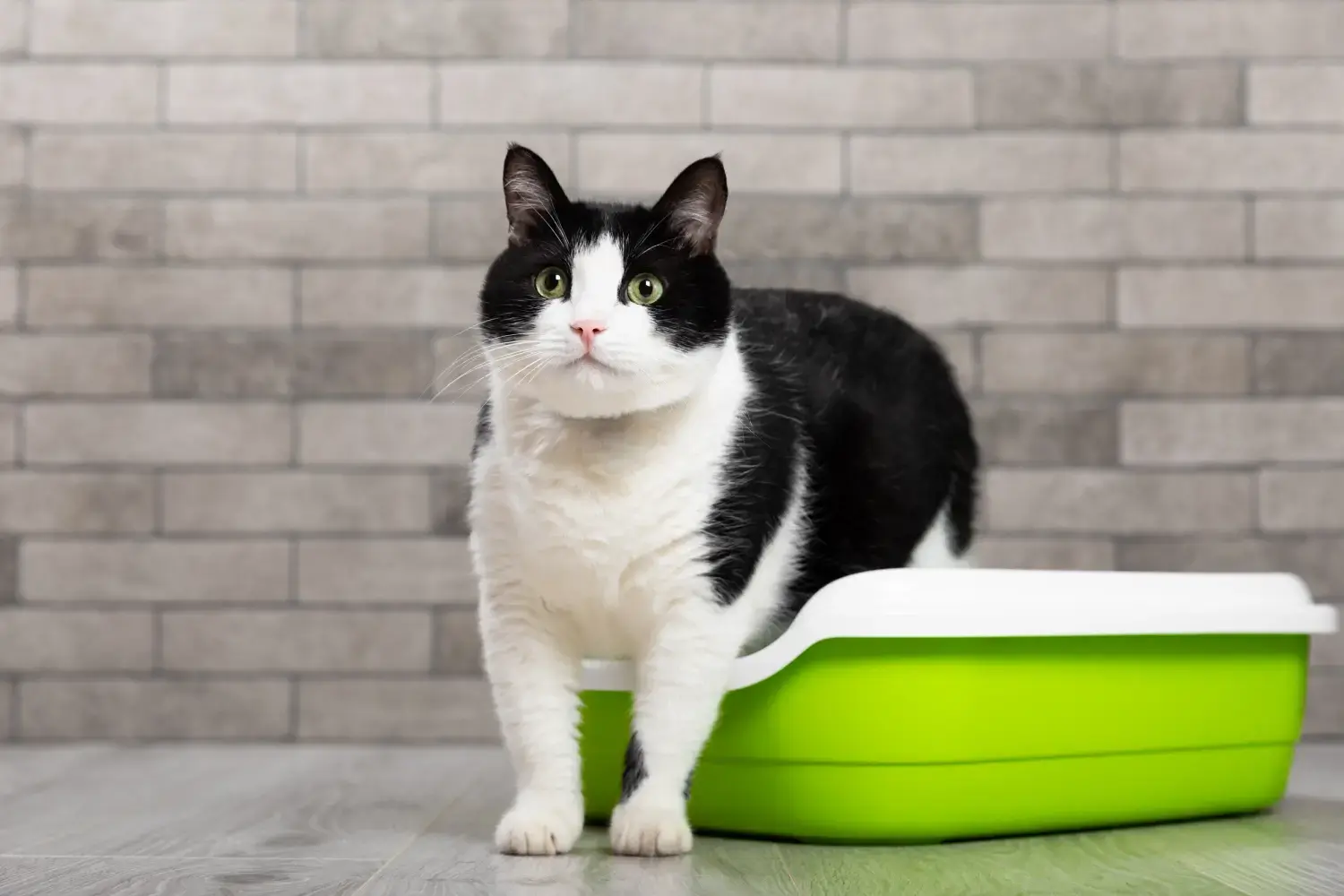
Cat diarrhea is one of the most common and unpleasant issues pet parents deal with. It’s messy, smelly, and stressful for both you and your furry friend, and it usually shows up at the worst possible time.
The good news is that diarrhea in cats isn’t always a medical emergency or anything to cause you excessive worry. Sometimes it occurs from something as simple as a food change or mild tummy upset.
However, at other times, it’s your cat’s way of telling you something deeper is going on, so you’ll need to pay attention. In this guide, we’ll walk through the most common cat diarrhea causes, how to tell when your cat has diarrhea but seems fine, safe at-home care options, and when it’s time to call your veterinarian.
What Is Diarrhea in Cats?
At its simplest, diarrhea in cats means stools that are loose, watery, or more frequent than usual. A healthy cat’s poop should be well-formed, easy to scoop, and consistent. When things shift to soft patties, puddles, or frequent trips to the litter box, that’s cat diarrhea.
Some cats also show other signs alongside loose stools, like:
-
- More frequent trips to the litter box
- Straining or discomfort
- Accidents outside the litter box
- Excessive Gas
- A messy backside
One odd thing that confuses a lot of pet parents is when their cat has diarrhea but seems fine otherwise. Your feline buddy is still playing, still eating and acting completely normal.
Other than the evidence in the litter box or some changes to grooming habits, you might not realize at first that your cat is experiencing digestive issues.

Why Does My Cat Have Diarrhea?
In otherwise healthy cats, a sudden episode of diarrhea can be concerning. Many owners immediately wonder why their cat has diarrhea, whether it’s related to something they ate, or if it signals a larger health issue.
Understanding the possible causes of cat diarrhea is an important first step toward choosing the right treatment and helping prevent future digestive upset.
Diarrhea in cats can range from minor to more serious symptoms. Here are a few of the most common causes to consider:
Common, Short-Term Causes of Cat Diarrhea
Diet-Related Reasons - This is one of the biggest culprits. Food is the foundation of your cat's health, which is why changes to digestion are often linked to changes to their diet.
-
- Switching your kitties’ food too quickly
- Eating something new (treats, table food, different brand)
- Food sensitivities or intolerances to certain food ingredients
- Getting into garbage or spoiled food
Cats have sensitive digestive systems, so even a change that seems small to us can throw things off for them. Choosing the best cat food for your cat's unique needs can support better digestion and overall health.
Change of Routine - Cats are creatures of habit. Anxiety from moving, new pets, visitors, schedule changes, or even rearranged furniture can all lead to diarrhea in cats. Learn more about stress and anxiety in cats to help manage their environment and prepare better for lifestyle changes.
Hairballs - Excess grooming and hair ingestion can irritate the digestive tract, which often leads to loose stools. Hairball remedies, diet, and proper grooming habits are key to preventing hairballs.
Infectious and Parasite-Related Causes
Parasites - Especially common in kittens or outdoor cats. Worms and other parasites are classic reasons for cat diarrhea.
Infections - Bacterial or viral infections can upset the gut, sometimes causing diarrhea along with lethargy or appetite changes in your furry friend.
Underlying Health Conditions
Medications - New medications or changes to prescribed medications could contribute to diarrhea or other digestive issues in cats. It's important to talk to your vet about side effects, reactions, and solutions.
Chronic Health Conditions - Inflammatory bowel disease (IBD), pancreatitis, hyperthyroidism, and other medical issues can all be common reasons for cat diarrhea. However, you’ll have to have it diagnosed by a veterinarian if that is the case.
Seasonal and Environmental Triggers
Seasonal Changes - During winter months, many cats become less active, drink less water, and experience small diet changes, which can all impact their health, causing diarrhea. In warmer seasons, open windows, balcony access, houseplants, and increased activity introduce new environmental exposures that may upset the digestive tract.
Travel - Travel and boarding are also common triggers of stress-induced diarrhea. Your cat might eat, play, and behave normally, but still have loose stools for several days after returning home because of the stress they experienced from travel.
Sudden vs Ongoing Diarrhea in Cats
Not all occurrences of cat diarrhea are the same. There’s a big difference between one messy litter box incident and an ongoing issue that you’ll want to pay close attention to. The urgency of bowel movements is also another potential indicator. Talk to your vet about when to consider veterinary care vs. treating at home.
Sudden (Acute) Diarrhea
This usually comes on quickly and resolves within only a day or two. It's also usually not accompanied by other symptoms or warning signs. Acute diarrhea in cats comes on quickly and typically resolves within 24–48 hours without veterinary treatment.
Common causes include:
-
- Eating something new
- Getting into something they shouldn’t have
- A stressful event
- Mild stomach upset
If your cat has diarrhea once or twice but is otherwise acting normal, eating, and drinking, you can often monitor the situation closely at home.
Ongoing (Chronic) Diarrhea
If diarrhea in cats lasts more than a couple of days, keeps returning, or becomes a regular pattern, that’s when it becomes more concerning. You might want to consider making an appointment for a checkup.
Chronic diarrhea can be linked to:
-
- Food sensitivities
- Digestive disorders
- Parasites
- Underlying illness
Please remember that ongoing issues deserve a vet conversation even if your cat still seems mostly okay. Recurring diarrhea or other digestive issues may be a symptom of another problem, and working with your vet can help you treat the root cause and provide overall digestive support.

My Cat Has Diarrhea But Seems Fine
This is one of the most common situations. You notice loose stools, but your cat is otherwise acting completely normal, eating, playing, cuddling, and behaving like nothing is wrong.
When the symptoms are minimal and exclusive to the litter box, it can be tempting to just wait it out. Sometimes that’s okay if the condition only lasts a day or two and your cat shows signs of steady improvement.
Remember that mild, short-lived cat diarrhea can happen from simple things like stress or diet changes.
But even when your cat seems okay, diarrhea is still a signal that something isn’t quite right in their digestive system. If it continues beyond 48 to 72 hours, keeps coming back, slowly worsens, or is accompanied by more serious symptoms, then it’s worth taking seriously.
Signs That Cat Diarrhea Is More Serious
Some situations go beyond simple tummy trouble when your cat has diarrhea. You should contact your vet promptly if you notice any of the following, coupled with diarrhea in cats:
-
- Lethargy or weakness
- Loss of appetite
- Vomiting along with diarrhea
- Weight loss
- Blood or mucus in the stool
- Dehydration
- Pale gums
- Diarrhea in kittens or senior cats
- Diarrhea lasting longer than three days
If your instinct says something feels off, then trust it. Always remember that you know your cat better than anyone, so if symptoms are extreme, worsening, or not getting better with standard treatment, it's time to loop in your vet.
Certain health conditions and life stages may require more proactive vet care. Young kittens, senior cats, and those managing chronic conditions may be more susceptible to dehydration and malnutrition from diarrhea, so don't wait to reach out to your vet for advice.
What Cat Poop Can Tell You About Your Cat’s Health
It might sound strange, but your cat’s litter box offers valuable clues. We don't recommend self-diagnosing, but monitoring their stool for changes can help you decide when it's time to call the vet.
Here’s a simple, real-world guide many vets use:
-
- Well-formed, easy to scoop stool: Digestion is likely healthy
- Soft but shaped stool: Mild digestive sensitivity, often diet-related
- Loose, pudding-like stool: Common in cases of mild cat diarrhea
- Watery stool: More concerning, especially if persistent
- Mucus in stool: Often linked to inflammation in the gut
- Blood in stool: Always worth contacting your vet
Daily litter box maintenance is the best way to keep an eye on your cat's stool quality and catch issues early.
How to Treat Diarrhea in Cats at Home
For mild cases, cat diarrhea treatment often starts with gentle support at home to help your furry friend feel better. This does not replace veterinary care when needed, but for short-term digestive upset, these steps are commonly recommended by many vets.
1. Pause and Stabilize the Diet
Keep it simple, natural, and consistent. Mild cases of diarrhea can be treated through diet with some very minor tweaks. Some pet parents temporarily use bland diets, but it’s best to talk with your vet before making major changes to your kitty’s diet.
2. Make Sure Your Cat Stays Hydrated
Diarrhea can cause fluid loss. Encourage drinking by:
-
- Providing your kitty with fresh water in multiple bowls
- Using a fountain if your cat prefers moving water to drink (many cats do)
- Offering wet food is appropriate to add hydration to your pet’s diet.
3. Support Gut Health With Supplements
This is where targeted cat diarrhea treatment can be helpful. Digestive supplements are often used to support healthy gut bacteria and stool quality in cats.
Best Supplements to Treat Cat Diarrhea
These products are designed to support digestive balance and are widely used by cat owners dealing with cats and diarrhea. Always follow product directions and consult your vet if symptoms persist or you have concerns.
1. Adored Beast Healthy Gut
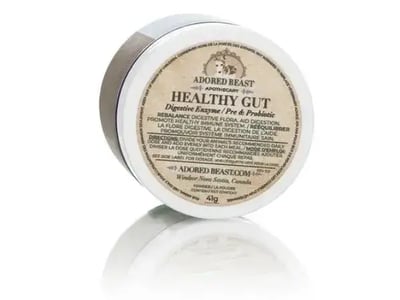
Adored Beast Healthy Gut is a popular option for digestive support. It’s formulated to help balance gut bacteria and support the digestive system, especially for cats dealing with recurring stool issues. Many pet parents choose this when their cat has diarrhea that seems linked to sensitive digestion.

2. Purina ProPlan FortiFlora Feline Probiotic
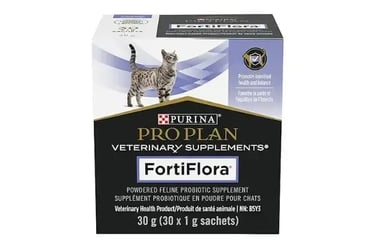
Purina ProPlan FortiFlora Feline Probiotic is one of the most commonly vet-recommended probiotics for cats. It’s easy to sprinkle over food and is often used when diarrhea occurs after stress, antibiotic use, or dietary changes to help support digestion. Without a doubt, it’s a straightforward option when you’re looking for gentle, consistent digestive support.
3. Weruva Pumpkin Patch
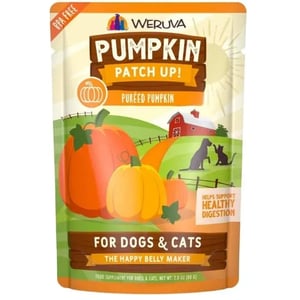
Weruva Pumpkin Patch contains natural pumpkin, which is a classic digestive aid because of its natural fibre content. Weruva’s Pumpkin Patch is convenient and cat-friendly. The fibre in the pumpkin can help firm up stools and support regular digestion when your cat has diarrhea related to minor digestive upset.

4. Kin + Kind Organic Healthy Poops

Kin + Kind Organic Healthy Poops is a plant-based supplement made with gentle ingredients which are designed to support your cat’s digestion. Many cat parents prefer this style of product when they’re trying to support gut health more naturally. It’s often used for occasional diarrhea in cats rather than severe cases.

5. NaturVet Anti-Diarrhea Liquid Aid
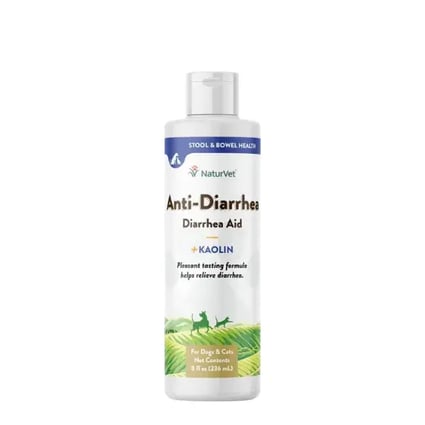
Naturvet Anti-Diarrhea Liquid Aid supplement is formulated specifically for digestive upset and is sometimes used short-term when stools are especially loose. It’s important to use this type of product as directed and to consult a vet if symptoms persist.

When to Take a Cat With Diarrhea to the Vet
Even with supportive home care, there are times when professional care is the right move to make for your cat’s health and well-being. You should schedule a vet visit if:
-
- Diarrhea lasts more than three days
- Your cat becomes lethargic or stops eating
- There is blood in the stool
- Your cat seems painful or uncomfortable
- Your cat is very young, very old, or has other health issues
- Diarrhea keeps returning frequently
If you’re ever unsure about what to do, then calling your vet for guidance is always appropriate. They can often tell you whether to monitor at home or come in for an exam.
Preventing Diarrhea in Cats
You can’t prevent every case, but you can reduce the chances of frequent issues. These prevention tips can be simple changes, but they can also have a big impact on your cat's overall digestive health when combined with adequate diet, routine, and vet care.
One of the best ways to reduce future cat diarrhea episodes is to think beyond short-term fixes and focus on your cat’s overall gut health for the long term.
Cats with sensitive stomachs often benefit from consistent digestive support rather than reactive treatment every time symptoms appear in the litter box.
Consistency Matters More Than Perfection
When things go wrong with their furry friend, your first instinct is to search for at-home cat diarrhea treatment for a fast-acting way to manage and heal the condition, but prevention often comes down to surprisingly simple routines:
-
- Transition slowly between formulas
- Maintain regular feeding schedules
- Keep water sources fresh and appealing
- Transition slowly between formulas
Always remember that cats thrive on a set daily routine. When their routine changes frequently, they can experience an upset tummy and loose stool.
Probiotics are Becoming More Common
More Canadian pet parents are now using probiotics not just when their cat has diarrhea, but as part of ongoing digestive support to prevent stomach upset.
Many veterinarians across Canada now recommend probiotic use for:
-
- Cats with recurring loose stools
- Cats with sensitive digestion
- Cats recovering from antibiotics
- Multi-cat households where stress is common
This is why products like FortiFlora, Adored Beast, and other digestive supports are becoming daily staples in Canadian pet care routines.
Kittens and Senior Cats: Extra Caution Required
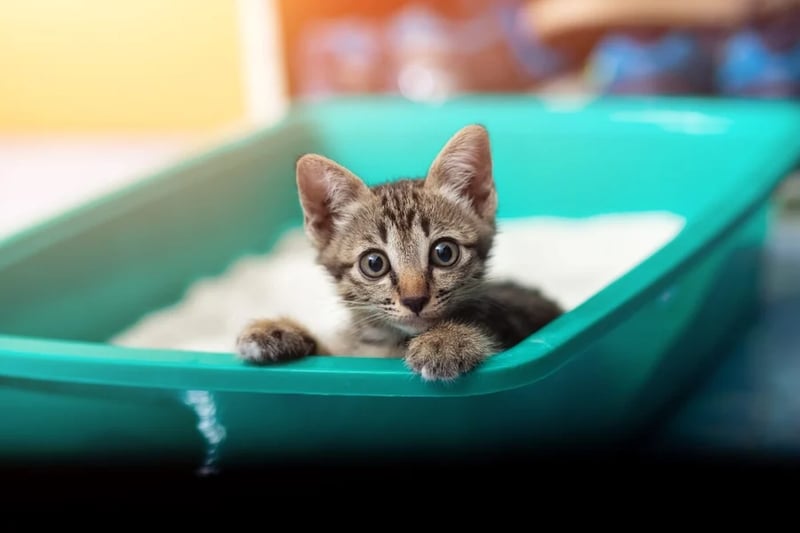
If your kitten or senior cat has diarrhea, it deserves extra attention. Kittens and senior cats are very sensitive to changes, so you’ll want to watch what is going on in the litter box to catch problems early and learn more about your cat’s digestion.
Diarrhea in Kittens
Kittens are more vulnerable to dehydration and parasites, which can make diarrhea serious. Cat diarrhea causes in kittens commonly include the following:
-
- Intestinal parasites
- Diet transitions
- Weaning changes
- Immature digestive systems
Diarrhea in kittens can escalate quickly and may even become life-threatening, so you’ll want to reach out to your veterinarian.
Diarrhea in Senior Cats
Older cats are more likely to experience chronic health issues that show up through digestive symptoms. In fact, diarrhea may be the first indication that you may have that your elderly cat isn’t feeling well.
However, if your senior cat has diarrhea but seems fine, don’t assume it’s harmless. Senior cats often hide their discomfort very well, so a trip to the vet is warranted if you have an elderly cat with diarrhea.
FAQs About Cat Diarrhea
How long is too long for cat diarrhea?
More than 2-3 days is generally the point at which you should consult your vet to ensure everything is okay with your kitty.
Can stress really cause diarrhea in cats?
Yes. Stress is a very common reason for cat diarrhea, especially in sensitive cats. Anxiety, routine and environmental changes, fireworks and other triggers can lead to digestive issues.
My cat has diarrhea, but is eating fine. Is that good?
Eating even while experiencing diarrhea is a positive sign, but it doesn’t mean you should ignore ongoing symptoms.
Should I stop feeding my cat if they have diarrhea?
Do not withhold food without veterinary guidance. Always remember that cats need consistent nutrition.
Why does my cat have diarrhea every few weeks?
Recurring diarrhea can indicate food sensitivities, chronic digestive issues, or other underlying conditions, so you should consider a visit to your veterinarian.
Why does my cat have diarrhea all of a sudden?
Sudden cases of diarrhea in cats can be a cause for concern, especially if there have been no changes to diet or routine. If bowel issues are sudden or urgent, it's a good idea to call the vet.
Is pumpkin good for cats with diarrhea?
Yes, pumpkin supplies cats with both soluble and non-soluble fibre that can bulk stool and regulate the speed of digestion.
Key Takeaways for Managing Diarrhea in Cats
Cat diarrhea is a common occurrence, but it should never be completely dismissed. Sometimes it’s a simple, short-lived issue, but other times, it’s your cat asking for help, and you’ll want to know the difference.
If your cat has diarrhea once or twice and seems fine, gentle monitoring and digestive support may be enough care for your kitty. However, if diarrhea persists, worsens, or comes with other symptoms, you’ll want to seek veterinary care.
If your cat is struggling with digestive issues, Homes Alive Pets offers carefully selected supplements, probiotics, and gut-support products to help you manage cat diarrhea in your furry friend. Explore trusted options online or visit one of their Canadian locations to find solutions that support your cat’s long-term health and comfort.